🚨 BREAKING: NASA Just Found the Clearest Evidence of Life on Mars Yet! | MarsLife | NASA | SpaceDiscovery | Astrobiology | BreakingNews | PerseveranceRover | MartianLife | Mars2025 | SpaceExploration | AlienLife | ScienceNews | Biosignature | JezeroCrater | RedPlanet | SpaceFacts |

Life on Mars
🚨 BREAKING: NASA just discovered the “clearest sign of life” on Mars! 🔴
Scientists discover mysterious “leopard spots” in Martian rock that could rewrite everything we know about life in the universe 🔴👽
NASA’s Perseverance rover found mysterious “leopard spots” in an ancient rock that could be fossilized microbes from billions of years ago. This could change everything we know about life in the universe! 👽🌌
Breaking: NASA Discovers ‘Clearest Sign of Life’ Yet in Martian Rock
September 16, 2025
Scientists find intriguing “leopard spots” in rock sample that could represent ancient microbial activity
The search for life beyond Earth has taken a monumental leap forward. NASA’s Perseverance rover has uncovered what scientists are calling the “clearest sign” yet of ancient life on Mars, hidden within a peculiar rock formation that bears striking resemblance to fossilized microbial activity found on our home planet.
The Discovery That’s Shaking the Scientific World
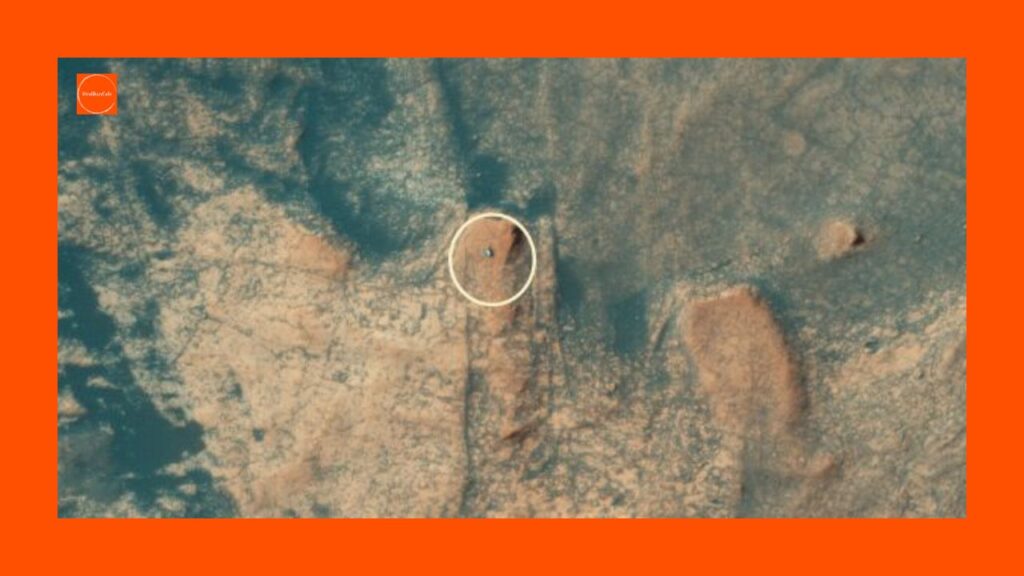
A rock sampled by NASA’s Perseverance rover from an ancient, dry riverbed on Mars may contain signs of life, according to groundbreaking research published in the journal Nature. The rock, nicknamed “Cheyava Falls,” was found in 2024 along the northern bank of Neretva Vallis, the dried-up remnants of an ancient river that once rushed into Mars’ Jezero crater.
What makes this discovery so compelling isn’t just what scientists found, but how it mirrors patterns we see on Earth when ancient life leaves its mark in stone.
Evudence od Life on Mars
The Tell-Tale “Leopard Spots”
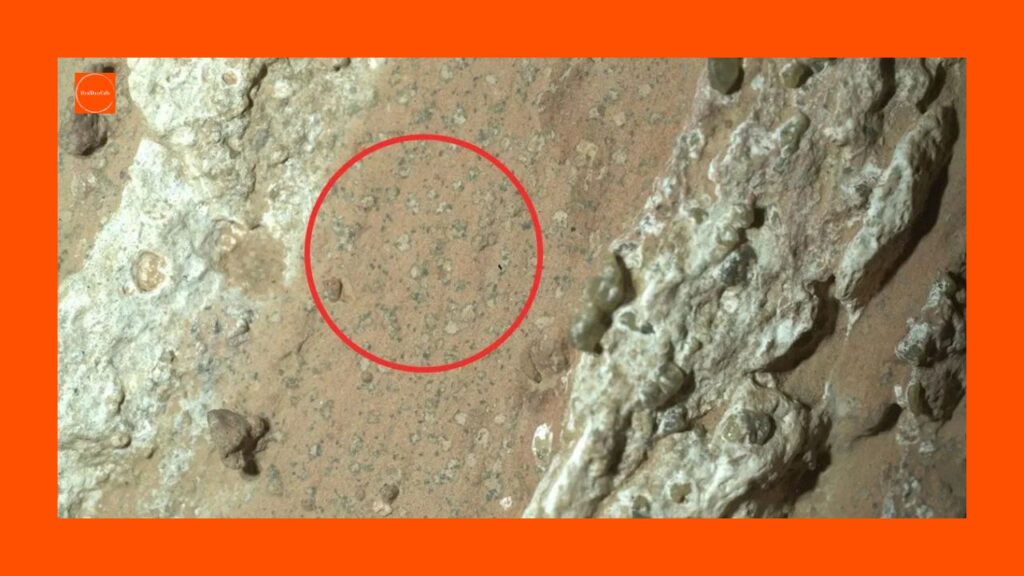
The most striking feature of the Cheyava Falls rock are its distinctive markings that NASA researchers have dubbed “leopard spots”. These intriguing leopard spots on a rock sampled by the Perseverance rover on Mars last year may have potentially been made by ancient life.
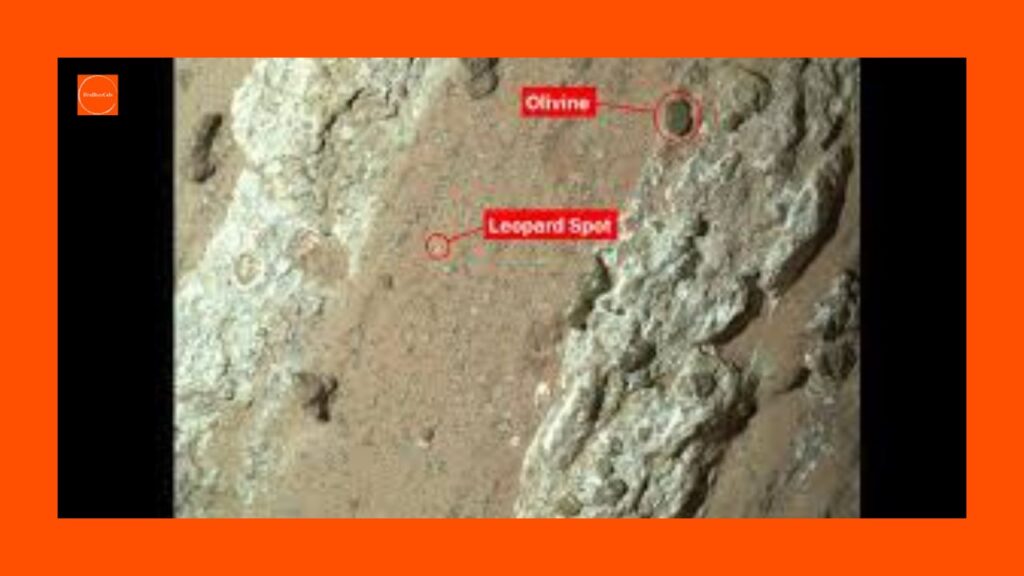
The rock is covered in patterns of “leopard spots” that may have formed through chemical reactions known to fuel life. On Earth, spots like these are often associated with the fossilized record of microbes. The patterns consist of larger spots, lighter in the center with dark borders, that scientists call leopard spots, alongside smaller markings described as “poppy seeds.”
Evudence od Life on Mars
What These Patterns Could Mean
The significance of these spotted patterns cannot be overstated. Scientists think the spots may indicate that, billions of years ago, the chemical reactions in this rock could have supported microbial life. The formations bear an uncanny resemblance to biosignatures—chemical fingerprints left behind by living organisms—that we routinely discover in Earth’s geological record.
The Science Behind the Discovery
Last summer NASA’s Perseverance Mars rover investigated its “most puzzling, complex, and potentially important rock yet,” according to one mission scientist. It showed signs of past water, organic material, and clues suggesting chemical reactions by microbial life.
This trifecta of evidence—water activity, organic compounds, and chemical signatures consistent with biological processes—represents exactly what astrobiologists look for when hunting for signs of ancient life on other worlds.
To view the visual story, please visit the link below:
Location Matters: Jezero Crater’s Ancient Lake
The location of this discovery adds another layer of credibility to the potential biosignature. A sample collected by NASA’s Perseverance Mars rover from an ancient dry riverbed in Jezero Crater could preserve evidence of ancient microbial life. Jezero Crater once hosted a vast lake system billions of years ago, creating the perfect conditions for preserving any signs of ancient Martian life.
Scientific Caution Amid Excitement
While the discovery has generated considerable excitement in the scientific community, NASA researchers are maintaining appropriate scientific skepticism. Though other explanations still remain, the team has published their findings in a peer-reviewed journal, subjecting their work to rigorous scientific scrutiny.
The potential “biosignature” is not direct evidence of life itself, but rather chemical and physical patterns that could have been created by ancient microbial activity. This distinction is crucial in astrobiology, where multiple lines of evidence must converge before scientists can make definitive claims about extraterrestrial life.
Evudence od Life on Mars
The Technology Behind the Discovery
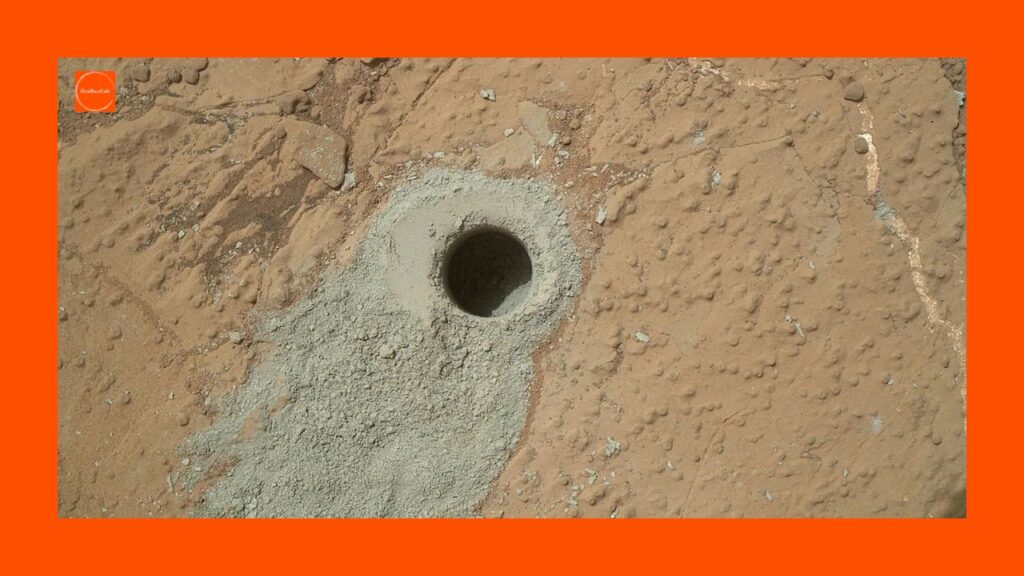
NASA’s Perseverance rover, which has been exploring Mars since 2021, represents the pinnacle of space exploration technology. The rover’s sophisticated suite of scientific instruments allowed researchers to conduct detailed analysis of the rock’s composition and structure, revealing the intricate patterns that might hold the key to understanding Mars’ biological past.
What This Means for Future Mars Exploration
This discovery has profound implications for future Mars missions. The presence of potential biosignatures in Jezero Crater suggests that other locations on Mars might harbor similar evidence of ancient life. Future missions may focus on returning samples to Earth for more detailed laboratory analysis, which could provide definitive answers about whether life once existed on the Red Planet.

Evudence od Life on Mars
The Bigger Picture: Life in the Universe
Beyond Mars, this discovery contributes to our broader understanding of life’s potential prevalence in the universe. If microbial life once thrived on Mars—our planetary neighbor that today appears barren and hostile—it suggests that life might be more common in the cosmos than previously thought.
The patterns found in the Cheyava Falls rock represent a tantalizing glimpse into what might have been a microbial ecosystem that existed billions of years ago when Mars had a thicker atmosphere and liquid water flowed across its surface.
Evudence od Life on Mars
Looking Forward
While scientists continue to analyze the data and explore alternative explanations for these intriguing patterns, the discovery marks a watershed moment in our search for life beyond Earth. NASA’s Mars rover finds organic signals in mudstone that resemble microbial activity, sparking new debate over the Red Planet.
As Perseverance continues its mission and future rovers prepare for launch, each new discovery brings us closer to answering one of humanity’s most fundamental questions: Are we alone in the universe? The leopard-spotted rock from an ancient Martian riverbed suggests the answer might be a resounding no.

Evudence od Life on Mars
The implications of this discovery will reverberate through the scientific community for years to come, potentially reshaping our understanding of life’s origins and distribution throughout the solar system. For now, scientists continue their careful analysis, knowing they may be holding evidence of our first confirmed neighbors in the cosmos.
📢 What do you think? Drop your thoughts in the comments! 👇
Follow us on Facebook:
https://www.facebook.com/viralbuzzcafe
Visit us on Tumblr:
https://www.tumblr.com/blog/viralbuzzcafe
Follow us on Instagram: