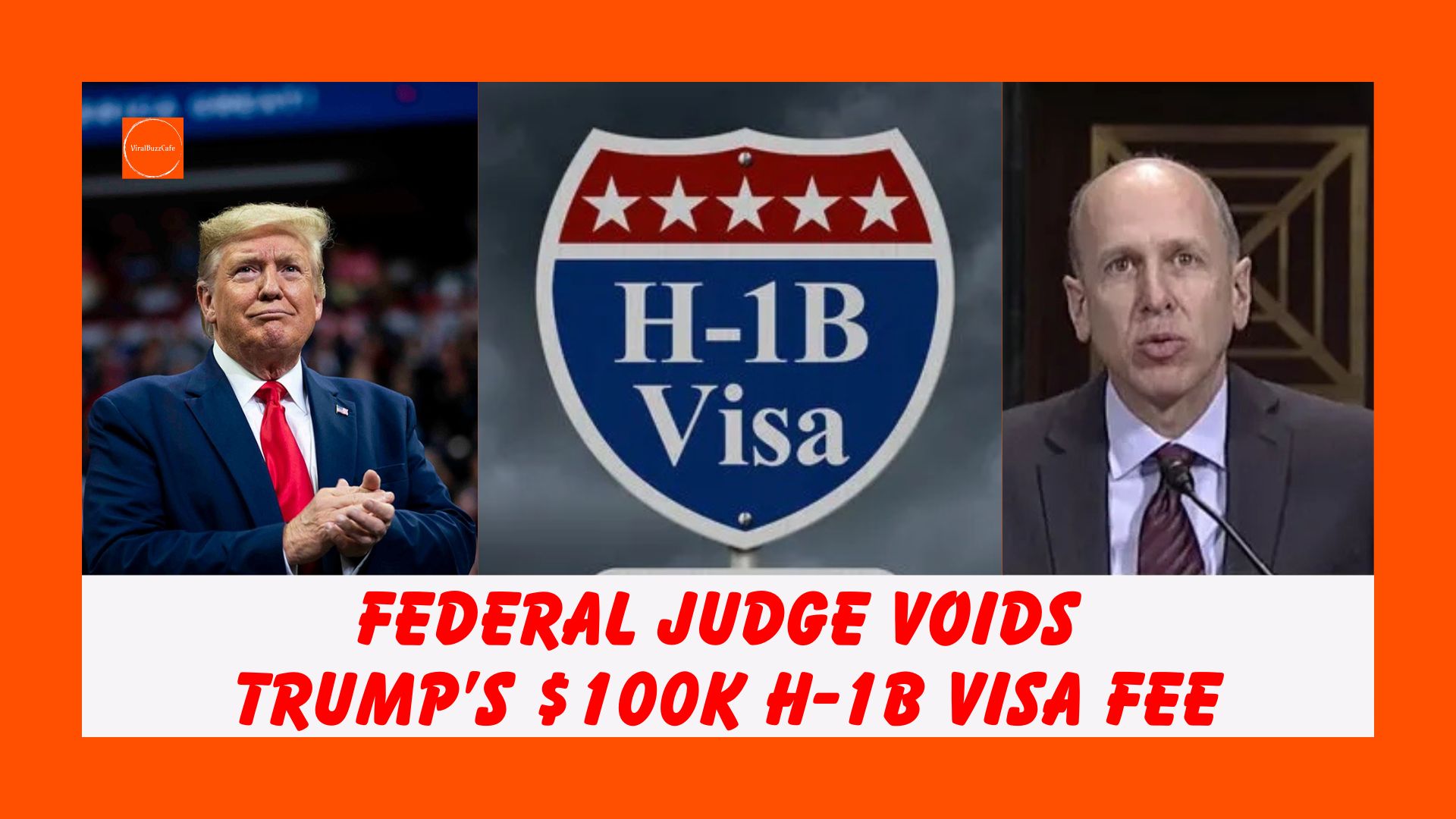
🚨 Federal Judge BLOCKS Trump’s $100K H-1B Visa Fee 🇺🇸 | H1B | H1BVisa | Trump | WorkVisa | USImmigration | BreakingNews | TechWorkers | IndianStudents | FederalJudge | AmericaNews | InternationalStudents | Trending | SkilledWorkers | USPolitics |
Federal Judge Voids Trump’s $100K H-1B Visa Fee
Federal Judge Voids Trump’s $100K H-1B Visa Fee
A major court ruling just shook up the H-1B visa debate in the U.S.
Judge Leo Sorokin ruled that the executive branch does not have the legal authority to impose such a tax on employers. The lawsuit was backed by 20 Democratic-led states, which claimed the fee created serious economic and staffing challenges.
The decision now blocks enforcement of the $100K fee nationwide, bringing relief to thousands of employers and international professionals relying on the H-1B visa system.
Huge relief for tech workers, international students, and U.S. companies as the controversial immigration rule gets blocked nationwide. Is this a turning point for America’s visa system? 👀
Federal Judge Strikes Down Trump’s $100,000 H-1B Visa Fee Rule
June 09, 2026
Court Ruling Delivers Major Blow to Controversial Immigration Policy
A federal judge has officially invalidated the Trump administration’s controversial $100,000 fee requirement for H-1B visa applications, marking a significant development in the ongoing debate over immigration and skilled foreign workers in the United States.
The ruling immediately halts enforcement of the policy nationwide and represents a major victory for businesses, universities, healthcare systems, and international professionals who argued the fee would severely damage America’s ability to attract global talent.
The decision came after months of legal challenges and growing criticism from industries that rely heavily on highly skilled foreign workers.
At the center of the case was one critical question: Did the administration have the legal authority to impose such an enormous fee without approval from Congress?
The court’s answer was clear — no.
Understanding the H-1B Visa Program
The H-1B visa program allows U.S. employers to hire foreign professionals in specialized occupations that require advanced skills or technical expertise.
The program is especially important for industries such as technology, engineering, healthcare, finance, education, and artificial intelligence. Thousands of companies across the United States depend on H-1B workers to fill positions that are difficult to staff domestically.
Every year, professionals from countries around the world apply for H-1B visas in hopes of building careers in America. Indian workers represent one of the largest groups participating in the program, particularly in the tech sector.
For decades, employers paid standard government processing fees tied to visa applications. But the Trump administration’s new policy dramatically changed that structure.
Federal Judge Voids Trump’s $100K H-1B Visa Fee
The Controversial $100,000 Visa Fee
In 2025, the administration introduced a policy requiring certain employers to pay as much as $100,000 for new H-1B visa applications.
The move instantly triggered backlash across the business community.
Critics argued that the fee was excessive, unrealistic, and economically harmful. Many companies warned that such a dramatic increase would force employers to scale back hiring, delay projects, or move operations outside the United States.
Small businesses and startups appeared especially vulnerable because they often lack the financial flexibility of larger corporations.
Federal Judge Voids Trump’s $100K H-1B Visa Fee
Supporters of the policy defended the measure as a way to reduce dependence on foreign labor and encourage companies to prioritize American workers.
However, opponents insisted the rule would hurt innovation rather than protect jobs.
Many industry leaders argued that skilled immigration plays a major role in maintaining America’s global competitiveness, especially in rapidly growing fields like artificial intelligence, cybersecurity, and software engineering.
Judge Rules Administration Overstepped Its Authority
The federal court ultimately ruled that the administration exceeded its legal authority by imposing the massive fee.
Judge Leo Sorokin concluded that the executive branch cannot create what effectively amounts to a new tax without congressional approval.
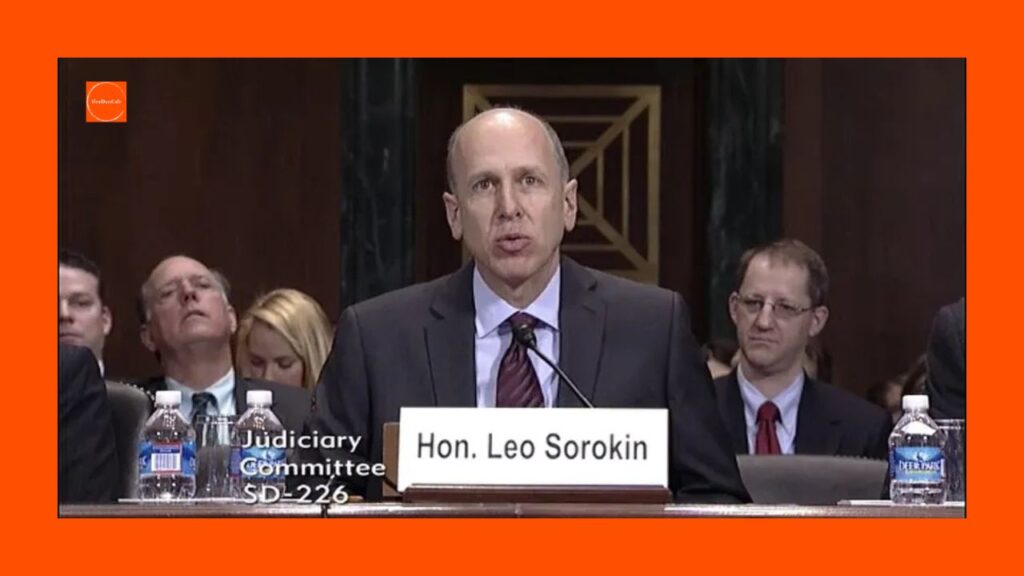
Federal Judge Leo Sorokin Voids Trump’s $100K H-1B Visa Fee
According to the ruling, federal agencies are allowed to charge administrative fees connected to services they provide. However, the court determined that the $100,000 requirement went far beyond a normal processing fee and crossed into unauthorized taxation.
That legal distinction became the foundation of the decision.
As a result, the judge voided the policy and ordered an immediate nationwide stop to enforcement.
The ruling now prevents the government from collecting the fee while the case continues through the legal system.
States and Businesses Push Back
The lawsuit challenging the policy was supported by a coalition of Democratic-led states that argued the rule would create economic harm and worsen labor shortages.
State officials claimed the fee threatened industries already struggling to recruit enough qualified workers, particularly hospitals, universities, research institutions, and technology companies.
Businesses also expressed concern that the policy could discourage top international talent from choosing the United States as a destination for work and innovation.
Many employers feared that foreign professionals would instead pursue opportunities in countries with more stable immigration systems and lower barriers for skilled workers.
The case quickly became one of the most closely watched immigration battles of the year because of its potential impact on the American economy.
To view the visual story, please visit the link below:
Tech Industry Welcomes the Decision
The court ruling was widely viewed as a major win for the technology sector.
Large tech firms rely heavily on international talent to fill specialized roles involving software development, cloud computing, data science, machine learning, and advanced engineering.
Executives had warned that the $100,000 fee could disrupt hiring pipelines and reduce America’s ability to compete globally in emerging technologies.
The decision also provides relief to startups and mid-sized businesses that depend on access to highly skilled workers but cannot afford massive immigration-related expenses.
For many employers, the ruling removes a major layer of uncertainty surrounding future hiring decisions.
Relief for International Workers and Students
The ruling is also expected to ease concerns among thousands of international professionals and foreign students hoping to work in the United States.
In recent years, uncertainty around immigration policies has created anxiety for many skilled workers navigating the complex H-1B visa process.
The now-blocked fee had become a symbol of growing fears that legal pathways for skilled immigration were becoming increasingly restrictive.
With the court stepping in, many applicants may feel more confident about pursuing opportunities in the American job market.
Still, immigration experts caution that the legal battle may continue for months if the administration decides to appeal the ruling.
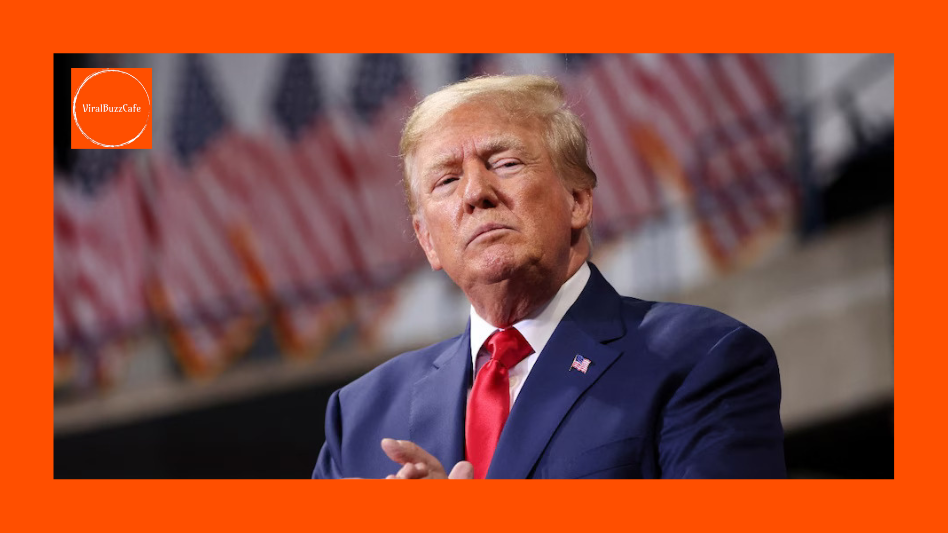
Federal Judge Voids Trump’s $100K H-1B Visa Fee
What Happens Next?
Although the court has struck down the policy for now, the issue is unlikely to disappear anytime soon.
The Trump administration is expected to challenge the ruling in higher courts, potentially extending the legal and political fight over employment-based immigration policies.
The broader debate surrounding the H-1B visa system remains deeply divided.
Supporters of stricter immigration policies argue reforms are necessary to protect American workers and reduce corporate dependence on foreign labor.
Critics counter that limiting skilled immigration could weaken innovation, slow economic growth, and damage America’s reputation as a global destination for talent and entrepreneurship.
For now, however, the judge’s ruling represents a major turning point in the battle over H-1B visas and the future of skilled immigration in the United States.
The outcome of future appeals could shape immigration policy for years to come.
📢 What do you think? Drop your thoughts in the comments! 👇
Follow us on Facebook:
https://www.facebook.com/viralbuzzcafe
Visit us on Tumblr:
https://www.tumblr.com/blog/viralbuzzcafe
Follow us on Instagram: