
🚨 Massive X Outage: Musk Blames Cyberattack – What Really Happened? 🚨 📢 | X | XDown | CyberAttack | ElonMusk | SocialMediaCrisis | BreakingNews | TwitterAlternative | SocialMedia | TwitterDown | ElonMuskNews | XPlatformIssues | CyberAttackNews | DataBreachAlert | TechNews | DigitalWarfare | HackerNews | BigTechCrisis | CyberSecurityThreats | SocialMediaOutage | SocialMediaCrash |

X Logo
Massive X Outage Shakes the Internet! Thousands Report Massive X (Twitter) Outage! 🚨
📉 Users across the US & UK faced major disruptions on X (formerly Twitter), with reports peaking at over 30,000 outages. Elon Musk claims a “massive cyberattack” may be responsible, sparking concerns over social media security and digital warfare.
🔍 Key Takeaways:
🔹 Widespread service disruption hits major cities
🔹 Musk blames a potential foreign cyberattack
🔹 Alternative platforms like Threads & Bluesky gain traction
🔹 Lawmakers demand stronger tech regulations
Is X becoming too unreliable? Should social media have better security measures? Let’s discuss! 👇💬
X Outage Sparks Geopolitical Concerns Amid Growing Cyber Threats
On Monday, March 10, 2025, thousands of users in the United States and the United Kingdom experienced significant disruptions on X, the social media platform formerly known as Twitter. These outages, which began in the early hours, left users unable to access their accounts, post updates, or send messages, leading to widespread frustration and speculation about the cause.

X Logo – Elon Musk
Scope and Impact of the Outage
The disruptions were widespread, with major urban centers such as New York, Los Angeles, London, and Birmingham among the most affected. According to Downdetector, a platform that monitors real-time outages, reports in the U.S. peaked at over 21,000, while the U.K. saw more than 10,800 complaints. By 6:24 a.m. Eastern Time, these numbers had decreased to 403 in the U.S. and around 200 in the U.K., indicating a gradual restoration of services.

X Logo
The timing of the outage coincided with the commencement of the NFL free agency period, a crucial time for sports fans and professionals who rely on X for real-time updates. The platform’s unavailability led to chaos among fans and insiders, who turned to alternative platforms like Threads and Instagram to stay informed. Agents and teams also faced challenges, as they depend on X for timely communications during this critical period.
Elon Musk’s Response
Elon Musk, the owner of X, addressed the situation by attributing the outages to a “massive cyberattack.” He suggested that the attack could have been orchestrated by a well-coordinated group or even a nation-state, pointing to IP addresses originating from Ukraine as potential sources. However, Musk acknowledged the possibility of IP masking, which could obscure the true origin of the attack.
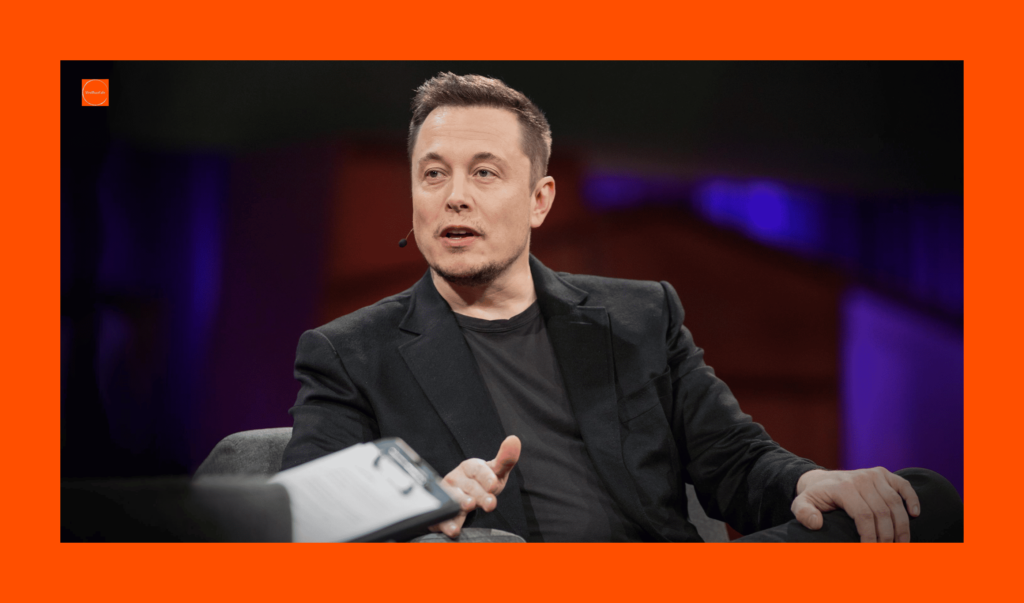
Elon Musk
Musk further elaborated that while X faces daily cyber threats, the scale and resources involved in this particular incident were unprecedented. He emphasized the platform’s commitment to bolstering its cybersecurity measures to prevent future occurrences.
Users Shift to Alternative Platforms
With X’s service disruptions leaving users in limbo, many sought refuge on alternative platforms like Meta’s Threads, Mastodon, and Bluesky. The incident fueled discussions about digital platform dependence and the risks associated with monopolizing real-time communication.

X Logo
Journalists, sports analysts, and businesses that rely on X for instant updates expressed frustration, with some calling for a more decentralized social media ecosystem. “It’s dangerous to have one platform control so much of the digital conversation,” said media analyst Sarah Reynolds. “Every time X goes down, millions are left scrambling for alternatives, highlighting the need for diversification.”
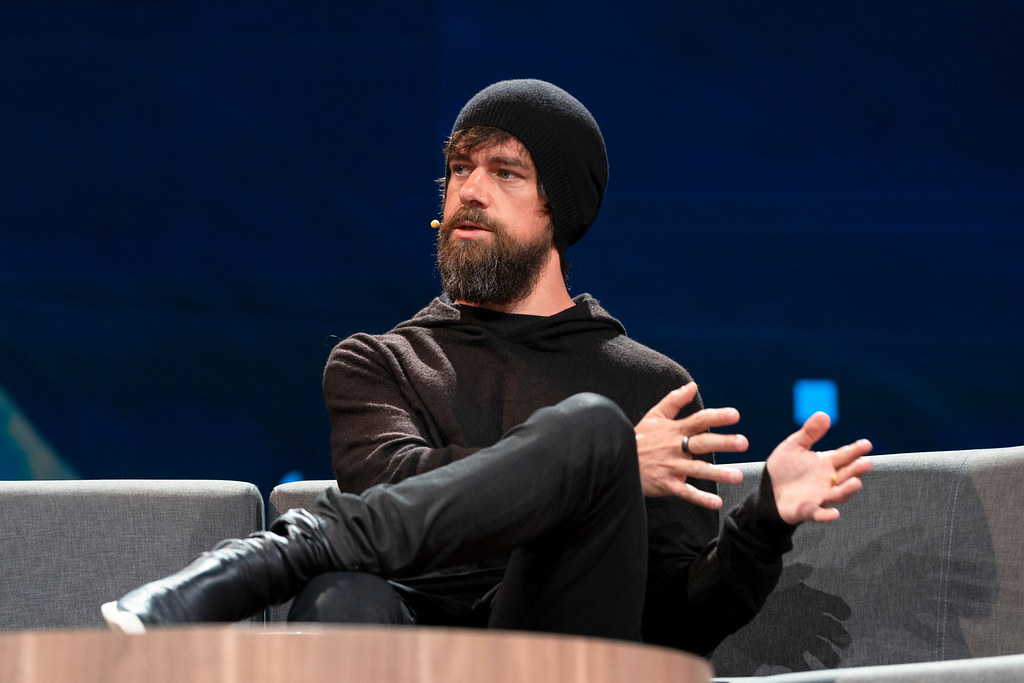
Jack Dorsey
Meta’s Threads, which has positioned itself as a direct competitor to X, reportedly saw a surge in user activity following the outage. Bluesky, the decentralized social platform backed by Twitter co-founder Jack Dorsey, also experienced increased engagement.
The Future of X and Social Media Security
The latest disruption raises broader questions about the long-term viability of X and its ability to withstand growing cybersecurity threats. Since Musk’s acquisition, the platform has undergone radical changes, including staff layoffs that affected key engineering and security teams. Critics argue that these cuts may have weakened X’s ability to respond to cyber threats efficiently.

X Logo
If the outage was indeed the result of a cyberattack, it underscores the increasing vulnerability of major social platforms to digital sabotage. Governments and regulatory bodies may push for stronger cybersecurity frameworks to ensure that critical digital infrastructure remains protected from both state-sponsored and independent malicious actors.
X Outage – What Now?
As the dust settles on one of the most significant outages to hit X since Elon Musk’s acquisition, cybersecurity analysts, political leaders, and digital rights advocates are raising urgent concerns about the implications of such disruptions in an increasingly interconnected world.

X Logo
While Musk’s claims of a “massive cyberattack” originating from Ukraine remain unverified, the mere suggestion of foreign interference in the operations of a global social media giant has reignited debates about digital warfare, cybersecurity policies, and the role of tech moguls in shaping public discourse.
Cyberwarfare in the Digital Age
If Musk’s assertions hold any truth, this outage may be part of a larger pattern of cyberwarfare tactics employed by state actors or rogue hacking groups. In recent years, digital attacks on critical infrastructure—ranging from financial institutions to government agencies—have become increasingly common.
Russia, China, North Korea, and Iran have all been accused of engaging in cyberattacks to disrupt global operations, steal sensitive data, or exert political pressure. Ukraine, however, has been more commonly known as a target rather than a perpetrator of such attacks, given its ongoing conflict with Russia.
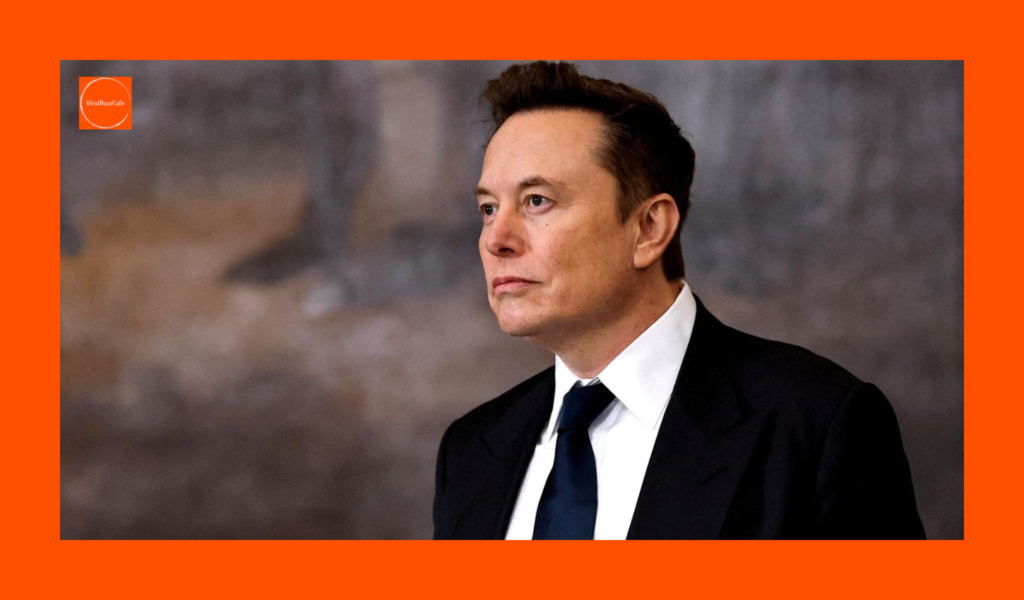
Elon Musk
Cybersecurity expert Rachel Monroe from the Center for Digital Resilience cautioned against jumping to conclusions. “While Musk has pointed to Ukraine as a potential source, the reality is that sophisticated attackers mask their identities,” she said. “Without thorough forensic analysis, it’s impossible to determine whether this was a state-sponsored attack, a criminal operation, or even a technical failure being spun as a cyberattack.”
If X was indeed targeted, the timing could be significant. Social media platforms have long been battlegrounds for information warfare, with hostile actors using them to spread disinformation, manipulate public opinion, or disrupt real-time communication during major events.
To view the visual story, please visit the link below:
Regulatory and Governmental Responses
In response to the outage, lawmakers in both the U.S. and U.K. have called for investigations into the platform’s vulnerability and Musk’s handling of the situation. Senator Mark Warner, chairman of the U.S. Senate Intelligence Committee, stated, “This is yet another example of how social media platforms remain critical infrastructure in today’s world. We cannot allow a single entity, especially one with erratic leadership, to have unchecked control over such an important channel of communication.”
In the U.K., the outage has led to discussions about strengthening regulatory oversight of digital platforms. The country’s Online Safety Bill, which aims to hold tech companies accountable for security and content moderation, may see renewed urgency in light of this incident.
X Logo
Tech watchdog groups have also voiced concerns about X’s security posture. Since Musk’s takeover, the company has slashed its workforce, including teams dedicated to cybersecurity, moderation, and reliability engineering. Some former employees have suggested that these layoffs may have contributed to the platform’s vulnerabilities.
The Role of AI and Automated Security Measures
As cyber threats grow in sophistication, many tech companies are turning to artificial intelligence and machine learning to detect and mitigate attacks in real time. However, reliance on AI alone is not foolproof.
AI-driven security measures can help identify patterns of unusual activity, such as coordinated bot attacks or traffic spikes associated with DDoS attacks. However, human oversight remains crucial in interpreting threats and responding effectively.
X Logo
Cybersecurity researcher Daniel Cho from the MIT Cyber Defense Lab warned that AI security solutions can sometimes be outmaneuvered. “Attackers are constantly evolving their techniques. If X doesn’t have a well-funded and well-staffed cybersecurity team, it won’t matter how advanced their AI defenses are—the platform will remain at risk.”
Users Demand More Transparency
One of the biggest criticisms of X’s handling of the outage has been the lack of transparency. Users were left in the dark for hours, with no clear updates from the company’s official channels.
X Logo – Elon Musk
While Musk eventually addressed the issue on X, many users felt that the response was more reactive than proactive. Tech journalist Kara Swisher highlighted this frustration, stating, “When Facebook or Google experience outages, they immediately communicate with users and provide updates. X, under Musk, has a habit of keeping users guessing. That’s a dangerous approach for a platform with this much influence.”
The Future of X and the Broader Social Media Landscape
X’s latest outage has once again raised questions about the platform’s long-term stability. Since Musk took over, X has faced declining ad revenue, advertiser boycotts, and a series of technical issues that have eroded user trust.

Elon Musk
With alternative platforms like Threads, Bluesky, and decentralized networks gaining traction, the incident could accelerate the migration of users seeking more reliable digital spaces.
X Logo
Moreover, if X continues to be plagued by outages and cybersecurity concerns, regulatory bodies may impose stricter guidelines to ensure that social media platforms maintain minimum security and reliability standards.
Lessons from the X Outage: A Wake-Up Call for the Digital World
The March 10 outage serves as a stark reminder of the digital vulnerabilities embedded in modern communication networks. Whether the disruption was caused by a cyberattack or internal failures, the event underscores the urgent need for:
- Stronger cybersecurity investments: Tech companies must prioritize security, even if it comes at the cost of short-term profitability.
- Diversified communication channels: Users and businesses should avoid over-reliance on a single platform for critical updates.
- Transparent crisis communication: Social media companies need to provide real-time updates during outages to maintain public trust.
- Increased regulatory oversight: Governments may need to establish stricter guidelines to ensure the resilience of major digital platforms.
For now, as X regains stability, the broader conversation about digital security, social media governance, and Musk’s leadership will continue to evolve. The question remains: Is X truly prepared to withstand the next wave of digital disruptions?
What Comes Next?
As X works to restore full functionality, the incident serves as a stark reminder of the fragility of digital platforms in the modern age. The outage has ignited conversations about cybersecurity, platform resilience, and the potential need for alternative, decentralized communication networks.
X Logo
For now, X users remain watchful, hoping that the next major event—be it in sports, politics, or business—won’t be interrupted by another unexpected blackout.
📢 What do you think? Drop your thoughts in the comments! 👇
Follow us on Facebook:
https://www.facebook.com/viralbuzzcafe
Follow us on Instagram:
https://www.instagram.com/vbc_admin/
Visit us on Tumblr:


