Birth Rates Are Crashing Worldwide: Are We Heading Toward a Population Collapse – A Demographic Crisis? | PopulationCollapse | WorldPopulation2025 | AIAndDemographics | BirthRateDecline | SocialChange | FamilyFuture | DemographicShift | FertilityCrisis | AgingSociety | HumanCapital | FutureOfHumanity | 2030Vision | GlobalTrends | ParentingCrisis | NextBigCrisis | GlobalEconomy |

Population Collapse
🚨 Are We Heading for a Population Collapse – A Demographic Crisis?
👶 Is the future childless? 🚨 This quiet global shift could reshape everything—from the economy to how we live.
Fertility rates are falling. Aging populations are rising. In countries like South Korea, Italy, and even China, birth rates have dropped below the level needed to sustain future generations.
This isn’t science fiction — it’s unfolding right now.
🔍 What’s behind the global baby bust?
💸 How will shrinking populations reshape economies?
🤖 Can AI and innovation save us from demographic decline?
🌍 What can governments, communities, and YOU do about it?
The next big global crisis may not be climate, war, or AI — it might just be demographics.
📖 Read the full breakdown and see what this means for your future.
Are We on the Brink of a Global Population Collapse – A Demographic Crisis?
July 22, 2025
A Quiet Crisis In The Making
For decades, the fear of overpopulation shaped global discourse—from dire Malthusian predictions to debates on resource scarcity. But today, a quieter and more nuanced crisis is brewing: population collapse. While the world’s headcount is still growing, the pace of growth is slowing dramatically, and in many places, it has already reversed.
The question isn’t whether humanity will vanish overnight—but whether demographic decline will quietly destabilize economies, shrink workforces, and upend social systems in the coming decades.
Population Collapse – The Threat
📉 Global Fertility Rates Are Falling—Fast
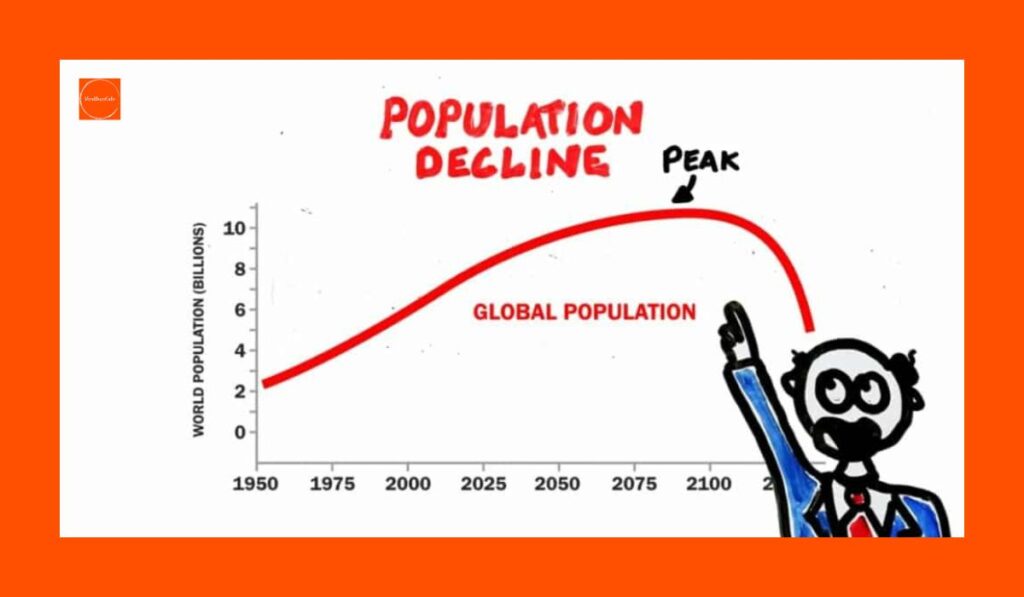
According to the United Nations, the global population will likely peak around 2084 at 10.3 billion, before inching downward to 10.2 billion by 2100. While that seems far off, the engine that drives population growth—fertility—is already sputtering.
In 1950, women worldwide had an average of 5 children. Today, that number has dropped to 2.3, and by 2050, it’s projected to fall below 2.1—the replacement rate needed to maintain a stable population.
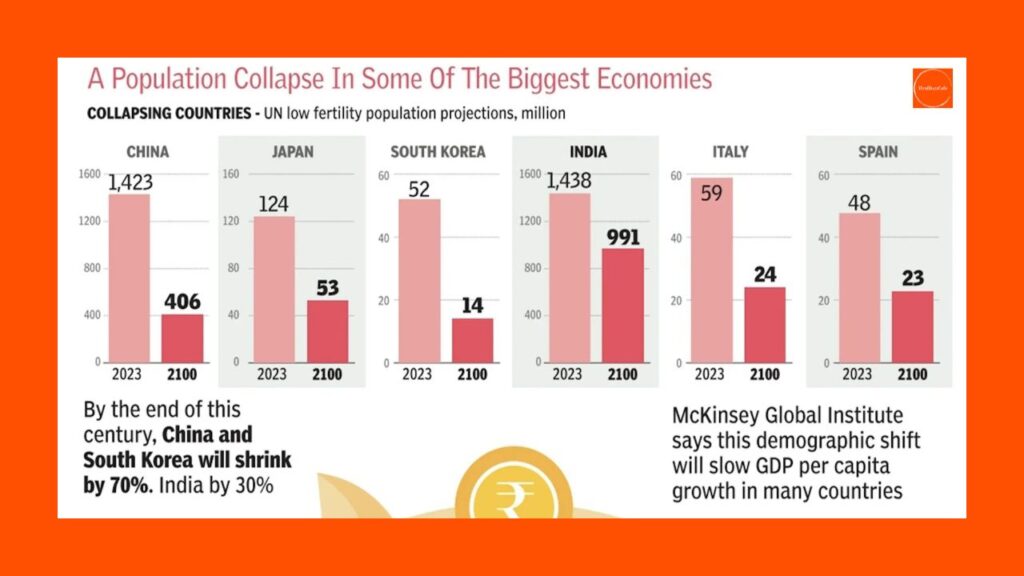
More than 60% of the global population now lives in countries with below-replacement fertility. This includes not just the wealthiest nations but also emerging economies like India, Brazil, China, Iran, and Turkey.
🚨 Case Studies in Decline
South Korea: World’s Lowest Fertility
-
Fertility rate: 0.72 (as of 2024)
-
Population is projected to halve by 2100
-
Despite generous incentives (baby bonuses, free childcare, housing subsidies), birth rates remain historically low
Population Collapse – Figures Worldwide
China: From One Child to Too Few
-
China’s population began shrinking in 2022—the first drop since the Great Famine era
-
The government scrapped its infamous one-child policy in 2016 and now offers cash incentives and extended maternity leave
-
Still, urban couples cite high costs, job stress, and housing as barriers
Europe: Aging and Shrinking
-
Italy, Germany, and Spain are all seeing stagnant or shrinking populations
-
Rural villages across Europe are turning into ghost towns
-
France, historically with higher birth rates, is also trending downward
🌍 Why Are Fewer People Having Kids?
1. Economic Uncertainty
-
Young adults are grappling with rising housing prices, unstable jobs, and delayed financial independence.
-
Example: In the U.S., average childcare costs exceed $15,000/year—making parenthood a luxury for many.
2. Women’s Empowerment & Education
-
Increased female literacy and workforce participation are strongly correlated with lower fertility.
-
As more women prioritize education and careers, marriage and childbearing are often delayed—or forgone entirely.
To view the visual story, please visit the link below:
3. Cultural Shifts
-
In many modern societies, personal freedom, travel, and self-development have eclipsed traditional family structures.
-
Social media, dating app fatigue, and shifting values also play a role in delaying or avoiding long-term commitments.
4. Urbanization
-
As people move to cities, the economic logic of large families fades.
-
Urban life typically means smaller homes, higher costs, and less time—all contributing to fewer children.
Population Collapse
🧓 What Happens When Populations Shrink?
The consequences of population decline aren’t theoretical—they’re already reshaping societies:
Aging Populations
-
As fertility falls and life expectancy rises, countries face a “gray wave”
-
More retirees mean fewer working-age people to fund pensions, healthcare, and public services
Economic Strain
-
Fewer workers = slower economic growth
-
Japan’s GDP has stagnated in part due to its shrinking and aging population
-
Labor shortages are increasing across sectors—from healthcare to construction
Social Disruption
-
Rural depopulation has led to closed schools, abandoned towns, and aging infrastructure
-
Mental health issues are rising among isolated elderly populations
Innovation May Not Be Enough
-
While AI and automation may offset workforce declines in some areas, it won’t replace the emotional and human aspects of caregiving, education, or community cohesion
Population Collapse – Global Outlook
🤔 Is This Really a “Collapse”?
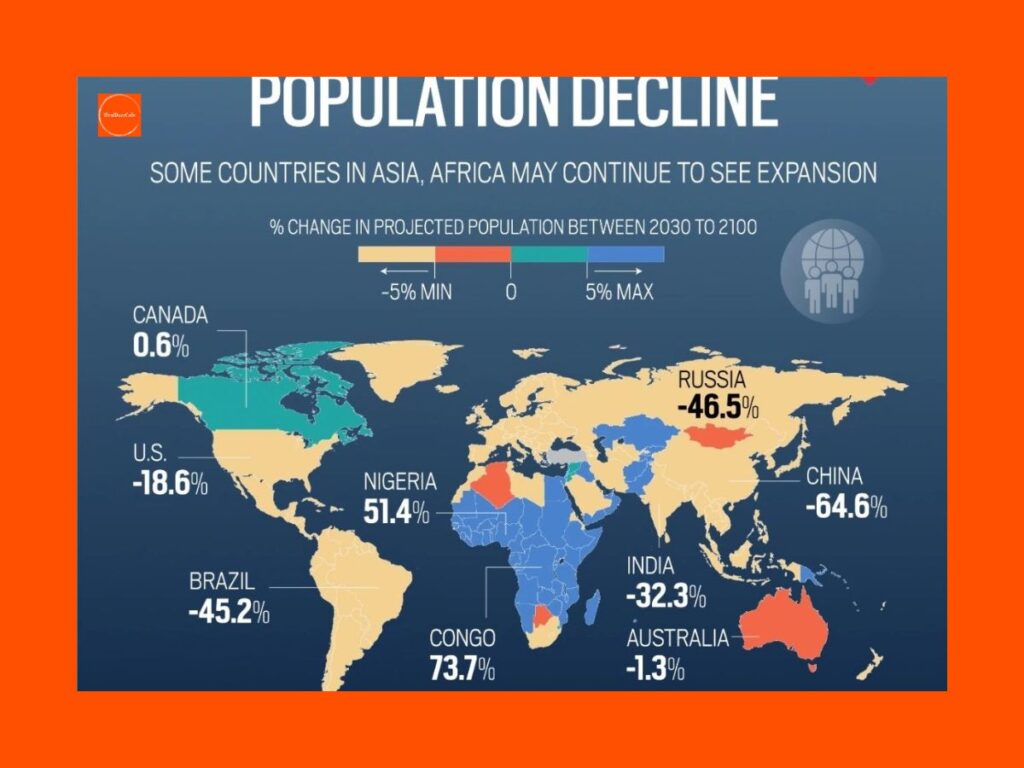
To be clear, we are not facing a sudden or global population crash. The term “collapse” evokes imagery of mass extinction or a steep freefall. That’s not what current data suggests.
Instead, what we face is a slow-motion demographic shift that could stretch over decades or even centuries. It’s a transformation—not an apocalypse.
However, local collapses are already occurring:
-
Rural Japan: Dozens of towns are nearly empty, with entire school districts shutting down
-
Eastern Europe: Countries like Bulgaria and Romania have lost up to 25% of their populations since the 1990s
-
China: Some provinces are experiencing more deaths than births for the first time in modern history
Population Collapse
🧩 Can We Reverse the Trend?
🚼 Pro-Natal Policies
-
Governments worldwide are experimenting with policies to encourage childbearing:
-
Hungary: Tax breaks for mothers of 3+ children
-
France: Heavily subsidized daycare and extended parental leave
-
Singapore: “Baby bonus” cash payments, housing priority, and fertility clinics
-
However, results are mixed. Fertility has risen modestly in some places, but no policy has been a magic bullet.
🌐 Immigration as a Lifeline
-
Welcoming migrants can help offset population decline and support aging economies
-
Germany and Canada are embracing skilled immigration, but political backlash remains a hurdle
💡 A Cultural Shift May Be Key
-
Experts argue that unless societies value parenthood, no amount of money or perks will work
-
That means rethinking work-life balance, flexible careers, and gender roles

🔮 What the Future Holds
The 21st century may be defined not by overpopulation but by population imbalance—between the old and young, the global North and South, the urban and rural.
To thrive in this new demographic era, we’ll need to adapt:
-
Reform economies to work with fewer people
-
Invest in automation and caregiving technologies
-
Rebuild trust in institutions that support family life
-
Rethink aging, seeing it as a resource, not just a burden

Population Collapse
🧭 Final Takeaway: Prepare, Don’t Panic
Are we facing a Population Collapse – A Demographic Crisis? Not quite. But we are walking into a future where demographic decline will be one of the defining forces of our time.
This is not just a matter for economists and politicians—it touches how we live, love, and plan our lives.
The time to rethink our systems is now. Because demography, unlike crises of the day, moves slowly but reshapes everything in its path.
📢 What do you think? Drop your thoughts in the comments! 👇
Follow us on Facebook:
https://www.facebook.com/viralbuzzcafe
Visit us on Tumblr:
https://www.tumblr.com/blog/viralbuzzcafe
Follow us on Instagram: