🚨 The Belle Gibson Wellness Scam EXPOSED! 🚨 | WellnessScam | AppleCiderVinegar | HealthMyths | NaturalRemedies | HealthTips | WellnessJourney | HealthyLiving | ACVScam | CancerAwareness | MedicalMisinformation | StayInformed | HealthTruth | WellnessIndustry | CriticalThinking | HealthTips | CancerPrevention | HolisticHealth | FakeWellness | HealthJourney |
🚨 Think apple cider vinegar can cure cancer? Think again. 🍎 Dive into the shocking story of a viral wellness scammer who claimed to beat cancer with ACV and ‘healthy living’—only to be exposed for spreading dangerous misinformation. 💔 Her false promises led followers to abandon life-saving treatments, with devastating consequences.
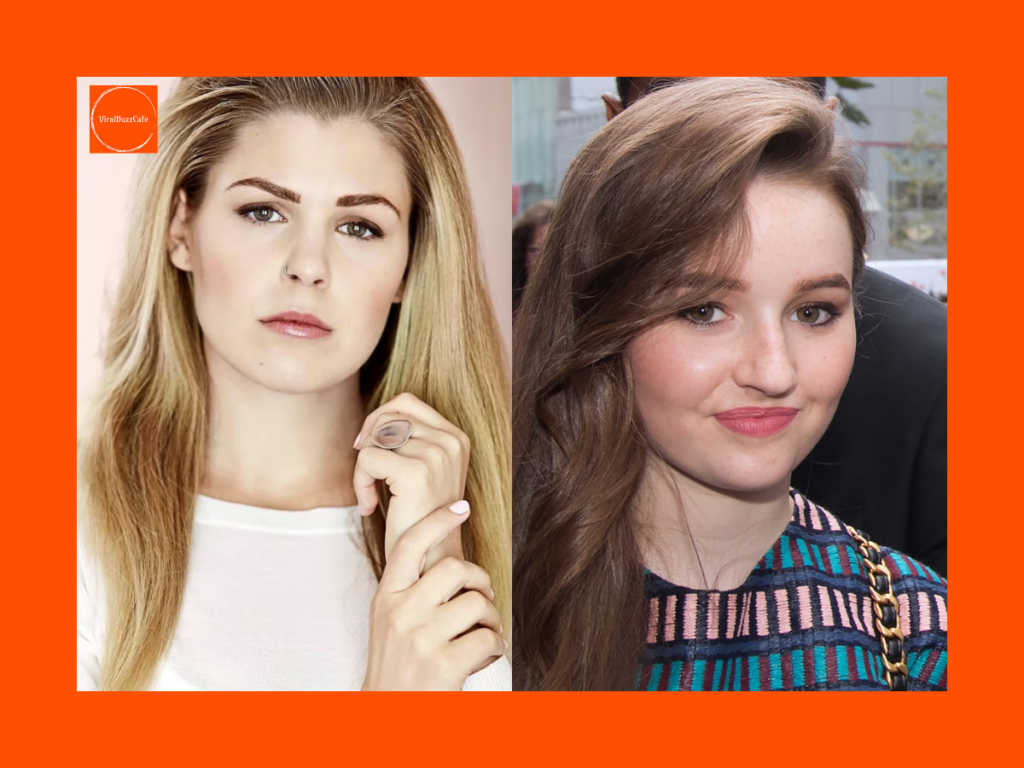
Belle Dibson – Kaitlyn Dever
This is a wake-up call to question the wellness trends we see online and prioritize evidence-based health practices. 🌟 Don’t fall for the hype—stay informed, stay safe. 💡
The Belle Gibson Scandal: Unmasking the Wellness World’s Deception
By Andy
Introduction
In the age of social media, wellness influencers wield significant power over public health perceptions. One of the most notorious cases of deception is that of Belle Gibson, an Australian wellness guru who falsely claimed to have cured her terminal brain cancer through natural remedies, clean eating, and alternative medicine.
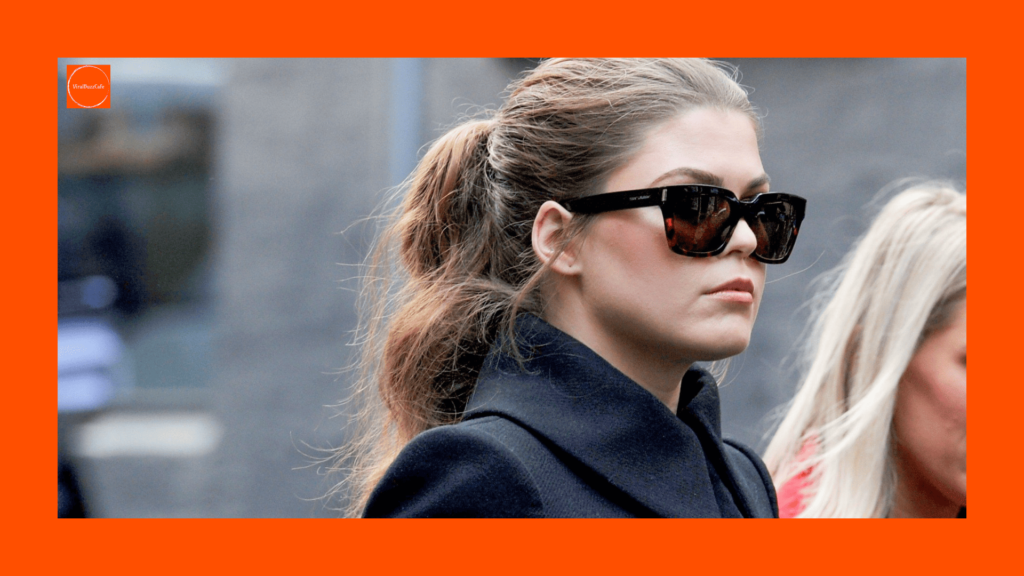
Her fabricated story not only manipulated vulnerable individuals desperate for hope but also raised serious questions about the unregulated wellness industry. What started as an inspiring tale of resilience quickly unraveled into one of the biggest health frauds in recent history.
The Rise of Belle Gibson
Belle Gibson rose to prominence in 2013 by chronicling her supposed battle with terminal brain cancer on social media. She claimed that she had been diagnosed in 2009 and had rejected conventional medical treatments, opting instead for a holistic lifestyle that included dietary changes, meditation, and alternative therapies.
Her compelling narrative quickly gained traction, resonating deeply with people who were skeptical of modern medicine. She leveraged this attention to launch her wellness app, The Whole Pantry, which became a bestseller on Apple’s App Store. A cookbook deal soon followed, further cementing her status as a health and wellness icon.
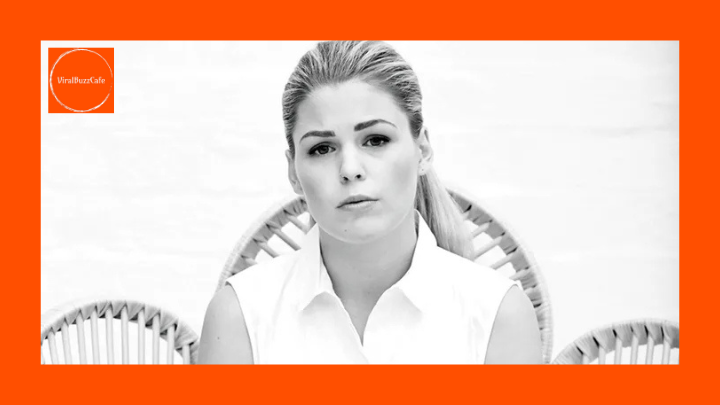
Belle Gibson
Gibson’s story seemed like a beacon of hope for those battling chronic illnesses. Her brand thrived on the idea that the body could heal itself naturally—without the need for chemotherapy or pharmaceutical interventions. However, beneath this carefully curated image lay a web of deceit.
The Web of Lies Unravels
In 2015, journalists began investigating Gibson’s claims after inconsistencies in her story emerged. Suspicion grew when it became evident that she had provided conflicting accounts of her diagnosis and treatment. Some people close to her started to question whether she had ever been sick at all.
One of the most damning revelations was that Gibson had promised to donate a portion of her profits to various charities, including those supporting cancer research and sick children. However, investigations found that little to no money had ever been donated.
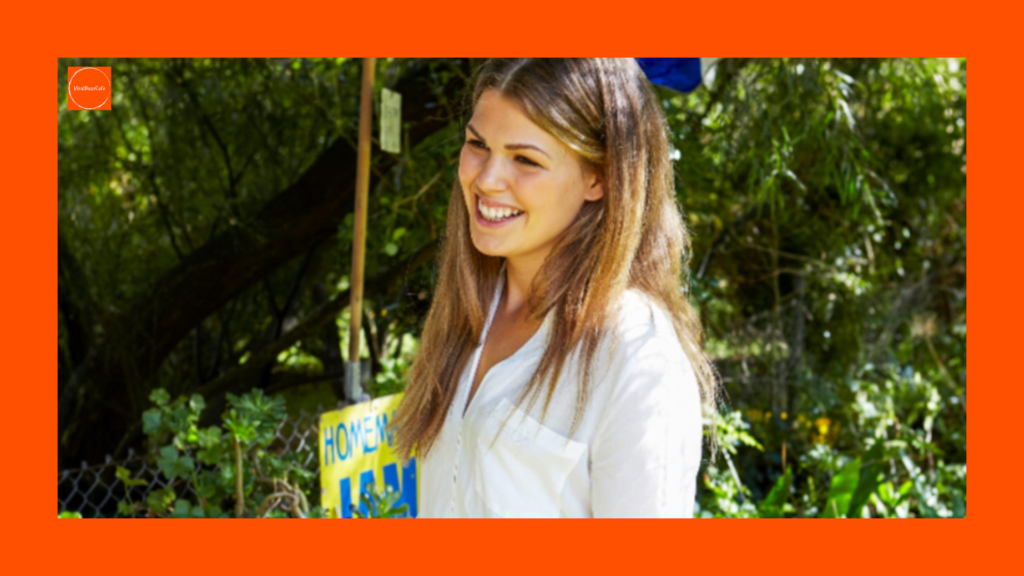
Belle Gibson
When confronted by journalists, Gibson finally admitted in an interview with The Australian Women’s Weekly that she had never had cancer. She had fabricated the entire story. The admission sent shockwaves through the wellness community, leaving many of her followers feeling betrayed and exploited.
The Legal Fallout
Gibson’s deception had real-world consequences. In 2017, she was found guilty of misleading and deceptive conduct under Australian consumer law. The court ordered her to pay a fine of $410,000 AUD for defrauding her customers and failing to fulfill her charity pledges.
Despite the ruling, Gibson repeatedly failed to pay the fine. In 2021, Australian authorities raided her Melbourne home in an attempt to recover unpaid penalties. Reports indicated that Gibson had continued living a relatively comfortable life, despite the legal judgments against her.
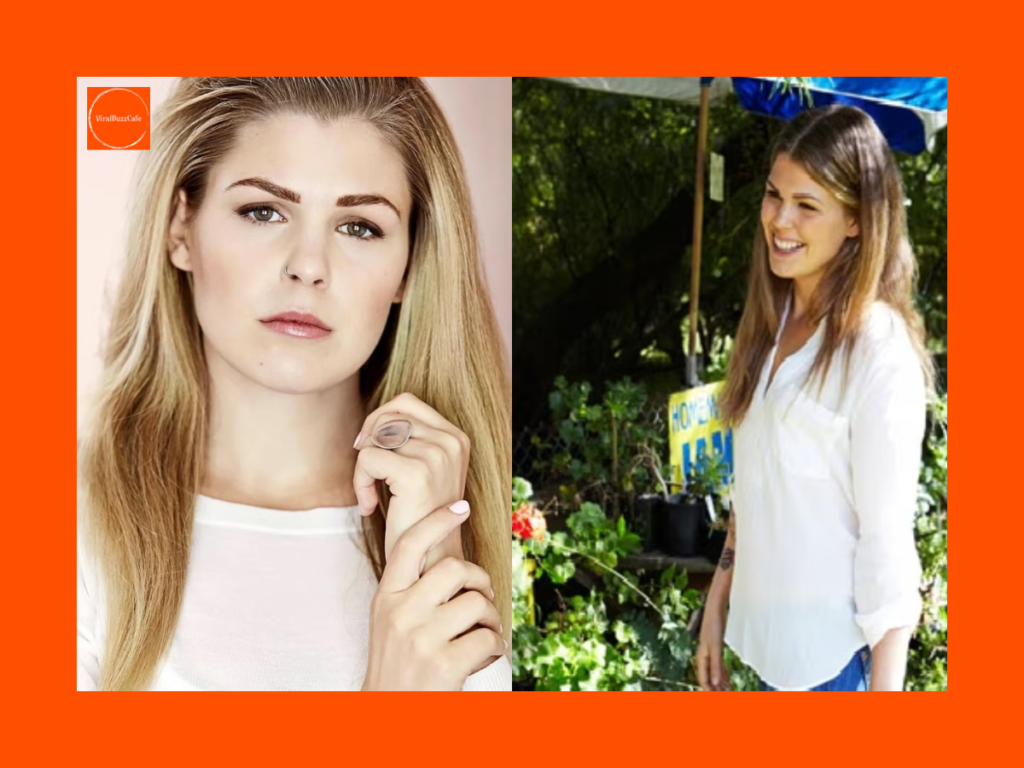
Belle Gibson – Collage
The scandal highlighted the broader issue of health misinformation and the lack of accountability in the wellness industry. Gibson had built an empire on a lie, profiting off the trust of thousands of followers who believed in her message.
To view the visual story, please visit the link below:
The Netflix Adaptation: “Apple Cider Vinegar”
The shocking rise and fall of Belle Gibson have now been dramatized in the Netflix limited series Apple Cider Vinegar. Starring Kaitlyn Dever as Gibson, the series delves into the intricate layers of her deception, exploring the emotional and psychological manipulation that enabled her fraud.

While the show takes some creative liberties, it serves as a stark reminder of how easily misinformation can spread in the digital age. It also raises important questions about the responsibility of social media platforms in amplifying unverified health claims.

Kaitlyn Dever
The Dangers of the Wellness Industry’s Misinformation
The Belle Gibson scandal is not an isolated case. It is part of a larger pattern within the wellness industry, where self-proclaimed health gurus promote unscientific remedies that can sometimes be dangerous.
From anti-vaccine rhetoric to miracle detoxes and cancer “cures,” misinformation thrives in an industry that often prioritizes personal anecdotes over scientific evidence. The problem is exacerbated by social media, where algorithms reward sensational claims and emotional storytelling over factual accuracy.
Gibson’s case highlights the urgent need for greater regulation and oversight in the wellness space. While many wellness influencers may genuinely believe in the products and practices they promote, others knowingly exploit public fears and insecurities for profit.
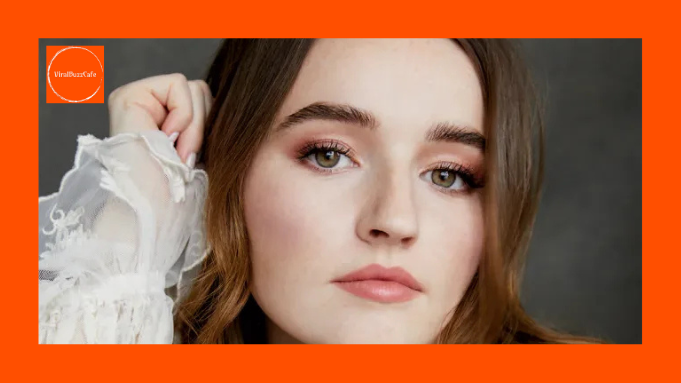
Kaitlyn Dever
Lessons to Be Learned
The Belle Gibson saga serves as a cautionary tale for both consumers and content creators. Here are some key takeaways:
- Be Skeptical of Health Claims – If something sounds too good to be true, it probably is. Always verify health advice with trusted medical sources before making significant lifestyle changes.
- Question the Credentials – Many wellness influencers lack medical training or scientific backgrounds. Always check whether the person providing health advice has legitimate qualifications.
- Demand Transparency – Influencers and wellness brands should be held accountable for their claims, especially when they involve serious health conditions.
- Report Misinformation – Platforms like Instagram and TikTok need stronger policies to combat misleading health content. Users should report fraudulent claims when they see them.
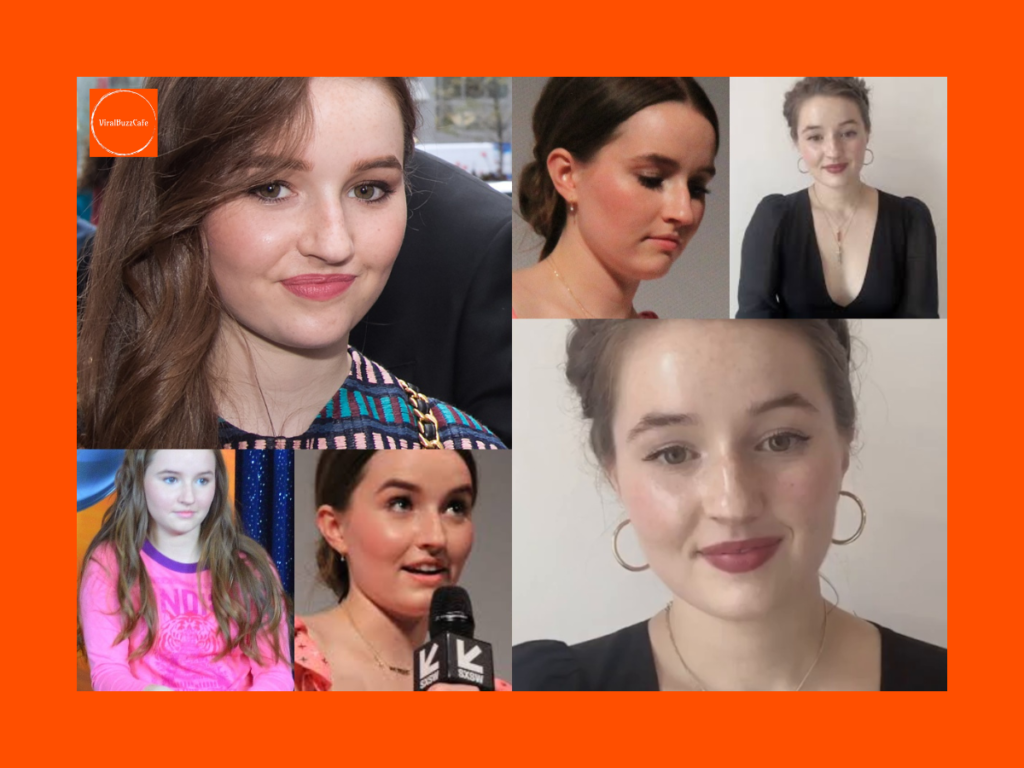
Kaitlyn Dever – Collage
Conclusion
Belle Gibson’s rise and fall epitomize the dangers of unchecked misinformation in the wellness industry. Her story, now immortalized in Netflix’s Apple Cider Vinegar, is a sobering reminder of how easily false narratives can spread and how damaging they can be.
In an era where social media blurs the line between truth and fiction, critical thinking is more important than ever. Consumers must remain vigilant, demanding evidence-based health advice and holding influencers accountable for the information they share.
While the wellness industry will always have its fair share of dubious claims, Gibson’s downfall proves that deception, no matter how elaborate, will eventually be exposed.
📢 What do you think? Drop your thoughts in the comments! 👇
Follow us on Facebook:
https://www.facebook.com/viralbuzzcafe
Follow us on Instagram:
https://www.instagram.com/vbc_admin/
Visit us on Tumblr:
https://www.tumblr.com/blog/viralbuzzcafe
Visit us on Pinterest: