🚨 Trump’s Shocking Gaza Takeover Plan: Could It Really Happen? 🌍💣 | Trump | GazaCrisis | MiddleEast | USPolitics | Geopolitics | IsraelPalestine | BreakingNews | ForeignPolicy | AbrahamAccords | Hamas | TrumpGaza | USForeignPolicy | IsraelPalestine | Trump2024 | Hamas | GlobalPolitics | InternationalRelations | GazaUnderBlockade | USIsraelAlliance | PoliticalAnalysis|
Rumors are swirling that Donald Trump wants to “take over” Gaza—but what’s really behind this bold claim? From strengthening U.S.-Israel ties to potential political stunts, the motivations are complex. But with legal, logistical, and ethical hurdles, is this even possible?
Gaza remains one of the world’s most volatile regions, and any move to control it could spark global backlash. Dive into the latest analysis to uncover the truth behind the headlines and why this idea is more complicated than it seems.
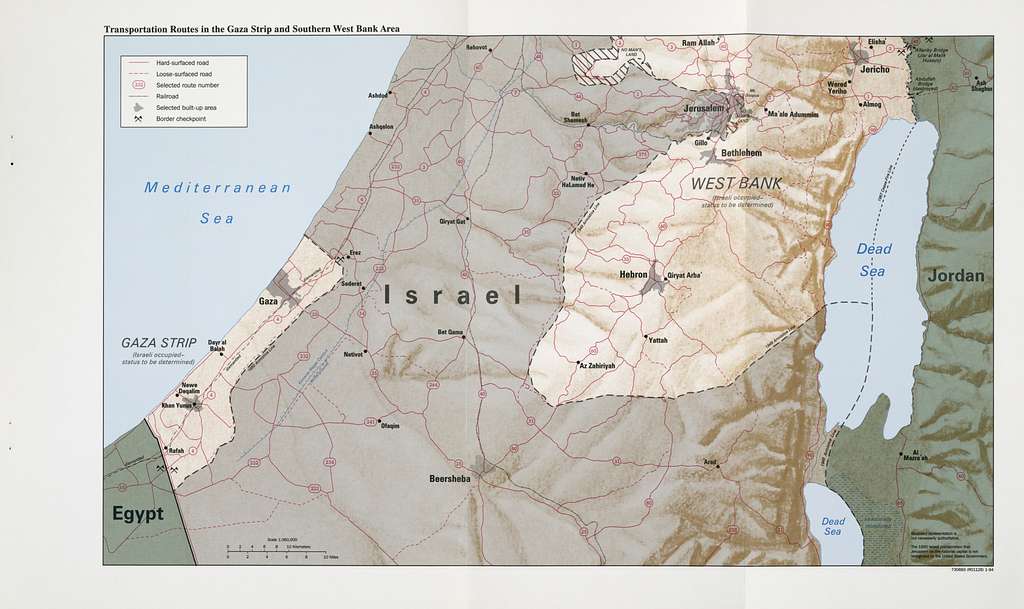
Gaza Map
Trump’s Ambitious Plan to Take Over Gaza: Motivations and Feasibility
Introduction
In a move that has sent shockwaves through international diplomatic circles, U.S. President Donald Trump announced on February 4, 2025, his intention for the United States to take over the Gaza Strip. This proposal includes relocating the approximately two million Palestinian residents to neighboring countries and redeveloping Gaza into a prosperous region. The plan has sparked widespread debate and condemnation.
Trump’s Vision for Gaza
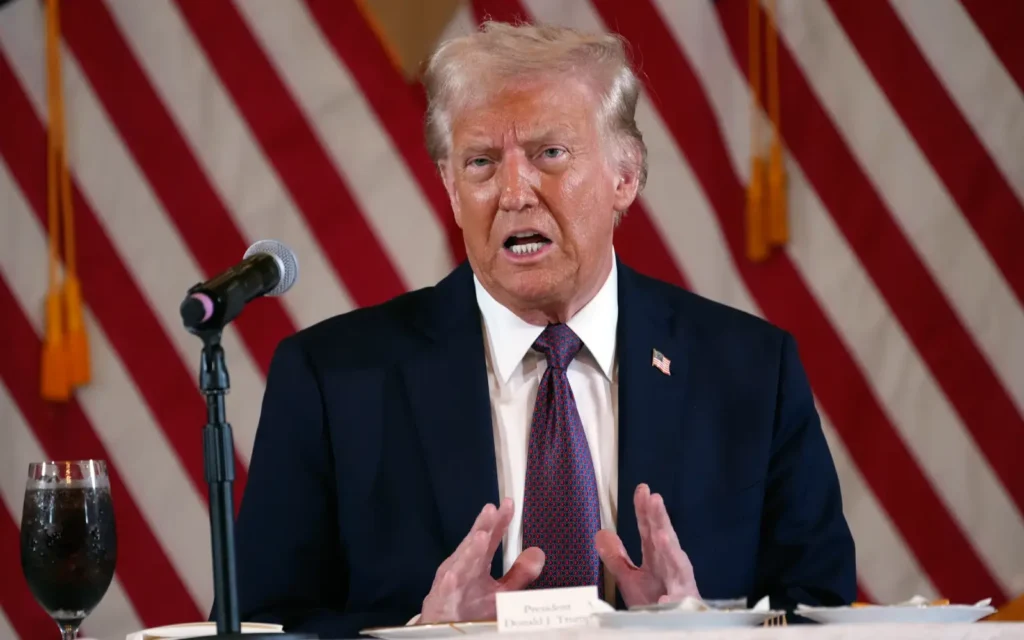
During a press conference with Israeli Prime Minister Benjamin Netanyahu, President Trump outlined his vision for Gaza. He proposed that the U.S. would “level” the war-torn area and embark on a comprehensive rebuilding effort aimed at transforming it into a thriving economic zone, potentially dubbed the “Riviera of the Middle East.” This redevelopment would focus on creating jobs and housing, with the goal of bringing stability to the region.
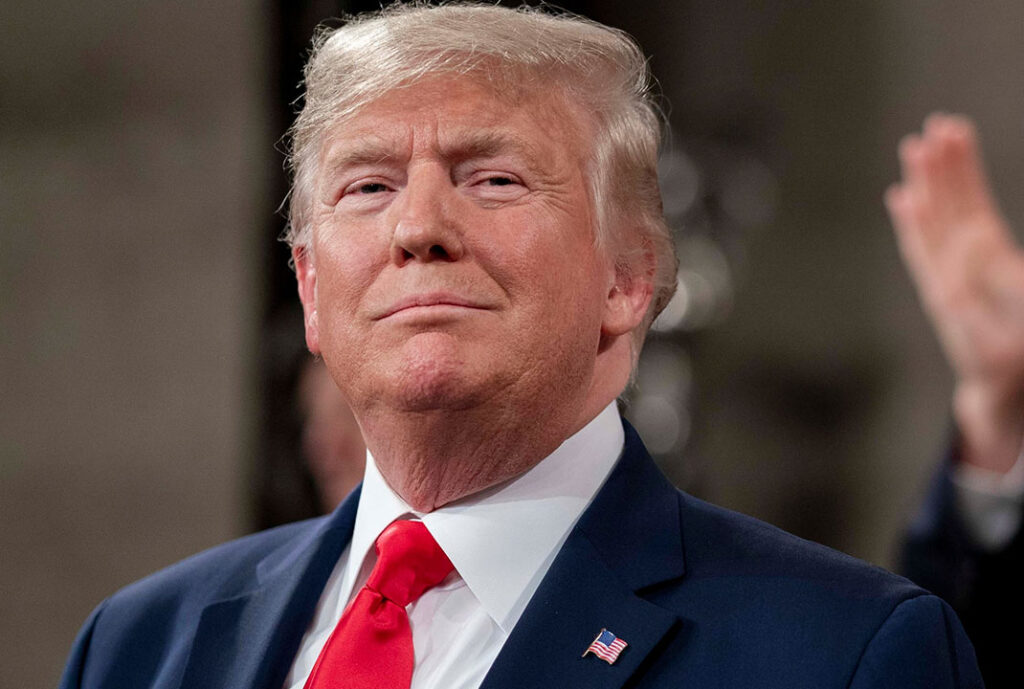
Donald Trump
The Context: Gaza’s Geopolitical Significance
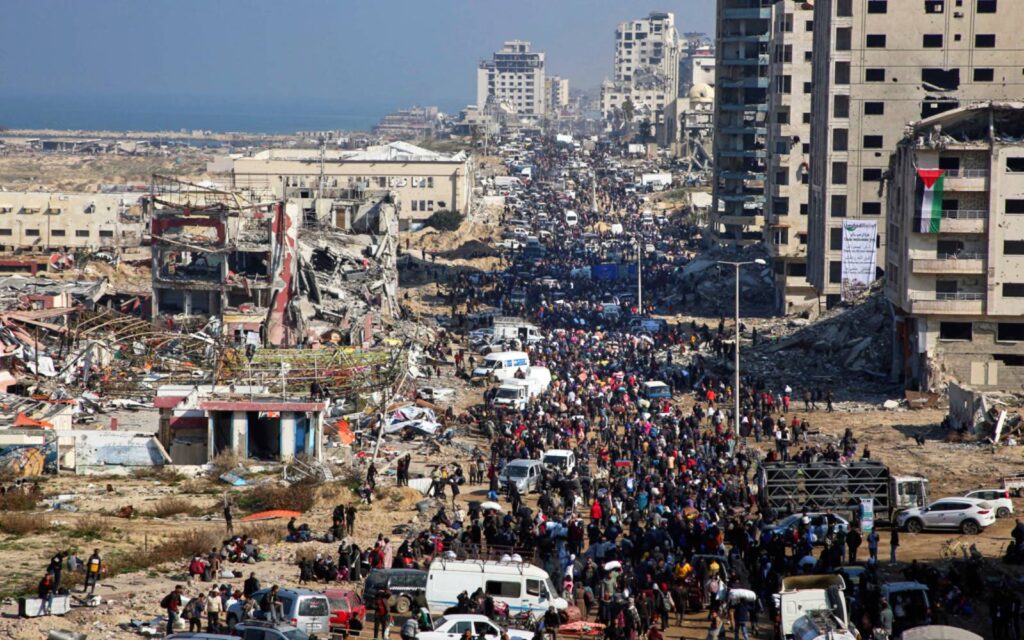
Gaza, a narrow strip of land along the Mediterranean Sea, has been a focal point of conflict for decades. Home to over two million Palestinians, it is governed by Hamas, a militant group considered a terrorist organization by Israel, the United States, and several other countries. The region has been under an Israeli-Egyptian blockade since 2007, leading to severe humanitarian crises and frequent escalations of violence.
For Trump, Gaza represents more than just a geopolitical hotspot; it is a symbol of the broader Israeli-Palestinian conflict, a issue he has sought to influence since his presidency. His administration brokered the Abraham Accords, which normalized relations between Israel and several Arab states, but it notably excluded the Palestinians, further marginalizing their position in the region.
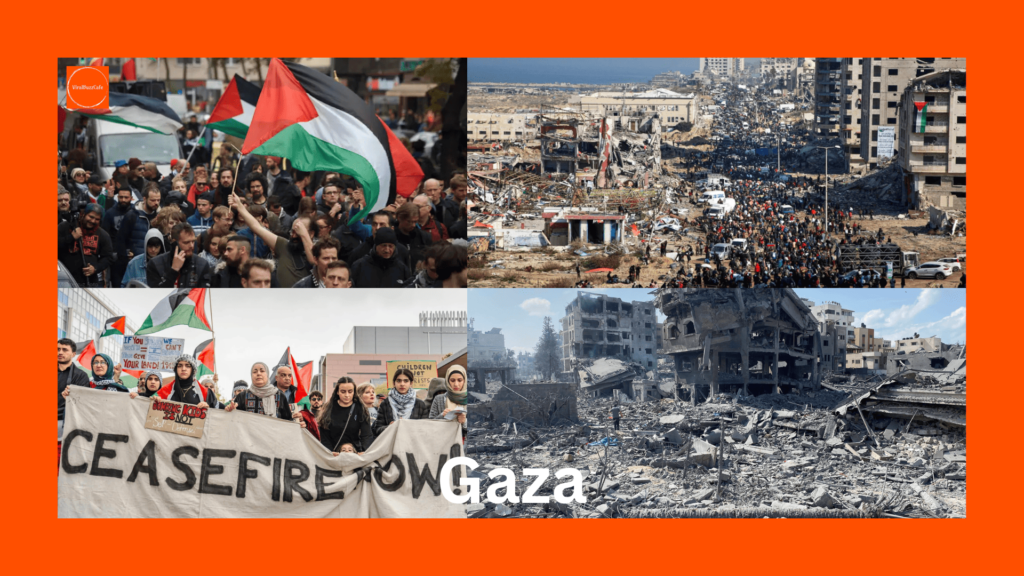
Gaza
Trump’s Motivations: A Strategic Play or a Political Stunt?
Trump’s alleged interest in Gaza raises several questions. Is this a genuine strategic move, or is it a calculated political stunt to regain relevance on the global stage? Let’s break down the possible motivations:
- Strengthening U.S.-Israel Relations: Trump has consistently positioned himself as a staunch ally of Israel. By involving himself in Gaza, he could further solidify his relationship with Israeli leaders, particularly Prime Minister Benjamin Netanyahu, with whom he shares a close rapport.
- Humanitarian Concerns: While Trump is not typically associated with humanitarian efforts, taking control of Gaza could be framed as a move to alleviate the suffering of its residents. However, this would require a significant shift in his approach to foreign policy, which has historically prioritized American interests over global welfare.
- Domestic Politics: As Trump eyes a potential 2024 presidential run, involving himself in a high-profile international issue could bolster his image as a decisive leader. It could also serve to distract from domestic controversies and rally his base, which tends to support strong, unilateral actions on the global stage.
- Economic Interests: Gaza’s strategic location and potential for economic development, particularly in natural gas reserves, could be a motivating factor. However, any economic gains would be contingent on stabilizing the region, a daunting task given the current realities.
International and Regional Reactions
The proposal has been met with swift and widespread condemnation. Legal experts and human rights organizations have labeled the plan as a form of ethnic cleansing, emphasizing that forced displacement of populations violates international law. Countries in the Middle East, including Egypt and Jordan, have rejected the idea of resettling displaced Palestinians within their borders. Jordan’s Foreign Minister, Ayman Safadi, stated that his country’s rejection of any displacement of Palestinians was “firm and unwavering.”
European nations have also voiced strong opposition. France and Germany have called the proposal “unacceptable,” while Spain emphasized that “Gazans need to stay in Gaza.” The Palestinian Authority has vehemently opposed the plan, with President Mahmoud Abbas stating that any takeover by the U.S. would be a “serious violation of international law” and reiterating support for a two-state solution.

Gaza
The Feasibility: Could Trump Actually Take Over Gaza?
The idea of Trump taking over Gaza is fraught with legal, logistical, and ethical challenges. Here’s why:
- International Law: Under international law, the annexation or occupation of territory by a foreign power is illegal unless sanctioned by the United Nations. Any unilateral move by Trump or the U.S. to take control of Gaza would likely face immediate condemnation and legal challenges.
- Regional Opposition: The Arab world, despite the normalization of relations with Israel under the Abraham Accords, would likely oppose any U.S. takeover of Gaza. Such a move could reignite tensions and undermine the fragile peace agreements brokered by Trump’s administration.
- Hamas Resistance: Hamas, which has controlled Gaza since 2007, would vehemently oppose any foreign intervention. The group has a well-armed militia and has demonstrated its willingness to engage in prolonged conflict to maintain its grip on power.
- U.S. Public Opinion: The American public is increasingly wary of foreign interventions, particularly in the Middle East. Any move to take over Gaza would likely face significant opposition from both the public and Congress, making it politically untenable.
- Logistical Challenges: Gaza is one of the most densely populated areas in the world, with a complex socio-political landscape. Any attempt to govern the region would require a massive commitment of resources, personnel, and time, with no guarantee of success.
To view the visual story, please visit the link below:
Potential Consequences of Trump’s Gaza Proposal
Regional Instability and Security Risks
If President Trump’s plan were to move forward, it could significantly destabilize an already volatile region. The forced displacement of Gaza’s population would likely incite widespread anger among Palestinians and their supporters, potentially fueling further violence and resistance. Groups like Hamas, which governs Gaza, have already labeled the proposal as an “act of war,” warning that such measures could ignite a broader regional conflict.
Neighboring countries, particularly Egypt and Jordan, would face increased security risks from potential refugee inflows and the backlash of hosting displaced Palestinians against their will. Egypt, which shares a border with Gaza, has historically maintained a delicate balance in managing its relationship with both Israel and the Palestinians. This plan could strain that balance, leading to diplomatic rifts and increased border tensions.
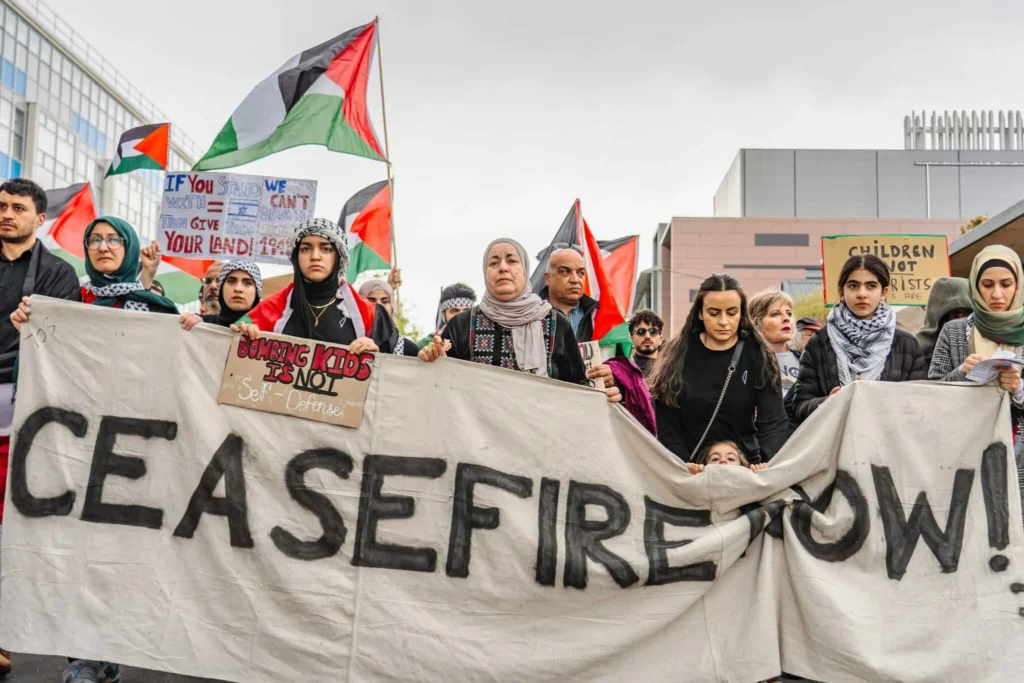
Gaza
Diplomatic Fallout and Global Backlash
On the international stage, the U.S. would likely face severe diplomatic repercussions. The United Nations and various human rights organizations have long been critical of policies that undermine Palestinian sovereignty. Trump’s proposal would almost certainly lead to resolutions condemning the U.S., further isolating the country from its traditional allies in Europe and the Middle East.
Moreover, this plan could jeopardize U.S. relationships with key partners who have vested interests in maintaining regional stability. Countries like Saudi Arabia and the United Arab Emirates, which have recently taken steps toward normalizing relations with Israel through agreements like the Abraham Accords, may find themselves forced to publicly oppose the U.S. to maintain their standing in the Arab world.
Economic Implications and Costs
Even if political and legal barriers were somehow overcome, the financial burden of redeveloping Gaza would be immense. The territory has faced decades of economic blockade, infrastructural destruction, and limited access to resources. Transforming Gaza into a “Riviera of the Middle East,” as Trump envisions, would require billions of dollars in investment, not to mention ongoing funding to support security and governance.
Critics argue that the U.S. taxpayer would ultimately bear the brunt of these costs. Given the domestic challenges facing the U.S., including economic inequality and infrastructure issues, many Americans may question why such vast resources should be allocated to a controversial foreign project with dubious prospects for success.
Legal Challenges and Human Rights Concerns
The legal implications of Trump’s plan cannot be overstated. Under international law, the forced transfer of a population is considered a violation of the Geneva Conventions and could be classified as a war crime. The International Criminal Court (ICC) would likely open investigations into any attempts to forcibly relocate Gaza’s population, exposing U.S. officials to potential legal action.
Human rights organizations have already condemned the proposal, arguing that it disregards the fundamental rights of Palestinians to live in their homeland. Amnesty International and Human Rights Watch have issued statements calling the plan “a blatant act of ethnic cleansing” and warning that it sets a dangerous precedent for international relations.
Gaza
The Ethical Implications: A Pandora’s Box
Beyond the logistical and legal challenges, the ethical implications of Trump taking over Gaza are profound. The region’s residents have endured decades of conflict, blockade, and economic hardship. Imposing foreign control, even under the guise of humanitarian intervention, risks further destabilizing the region and exacerbating the suffering of its people.
Moreover, such a move could set a dangerous precedent for international relations. If the U.S. were to unilaterally take control of Gaza, it could embolden other nations to pursue similar actions in contested territories, undermining the principles of sovereignty and self-determination that underpin the international order.
Donald Trump
The Future of U.S. Foreign Policy in the Middle East
Whether or not Trump’s proposal comes to fruition, it signals a significant shift in U.S. foreign policy in the Middle East. Historically, American administrations have at least paid lip service to the idea of a two-state solution, recognizing the rights of both Israelis and Palestinians. This proposal, however, abandons any pretense of neutrality and aligns the U.S. firmly with Israeli territorial ambitions.
Such a shift could have lasting consequences for America’s role as a mediator in the region. The U.S. has long positioned itself as a key player in Middle Eastern diplomacy, but this move could undermine its credibility and influence. As other powers like China and Russia expand their presence in the region, the U.S. risks losing its strategic foothold.
Conclusion: A Bold Proposition with Little Grounding in Reality
While the idea of Trump taking over Gaza may capture headlines and fuel speculation, it remains a highly improbable scenario. The legal, logistical, and ethical challenges are insurmountable, and the potential repercussions far outweigh any perceived benefits.
Trump’s interest in Gaza, whether genuine or politically motivated, underscores the complexities of the Israeli-Palestinian conflict and the enduring challenges of achieving a lasting peace. As the world watches, one thing is clear: any solution to the crisis in Gaza must be rooted in diplomacy, respect for international law, and a genuine commitment to the well-being of its people.
In the end, the question is not whether Trump could take over Gaza, but whether he should. And the answer, unequivocally, is no.
Follow us on Facebook:
https://www.facebook.com/viralbuzzcafe
Follow us on Instagram:
https://www.instagram.com/vbc_admin/
Visit us on Tumblr:
https://www.tumblr.com/blog/viralbuzzcafe
Visit us on Pinterest: