🚨 White House vs. Judges: Supreme Court Showdown! ⚖️🔥 | PresidentDonaldTrump | SupremeCourt | TrumpAdministration | SCOTUS | JudicialPower | ExecutiveAuthority | USPolitics | BreakingNews | TrumpPolicies | FederalJudges | PresidentialPowers | SCOTUSDecision | WhiteHouseNews | PoliticalShowdown | ImmigrationPolicy | ConstitutionalLaw | GovernmentNews | JudicialOverreach | LegalBattle | SeparationOfPowers |
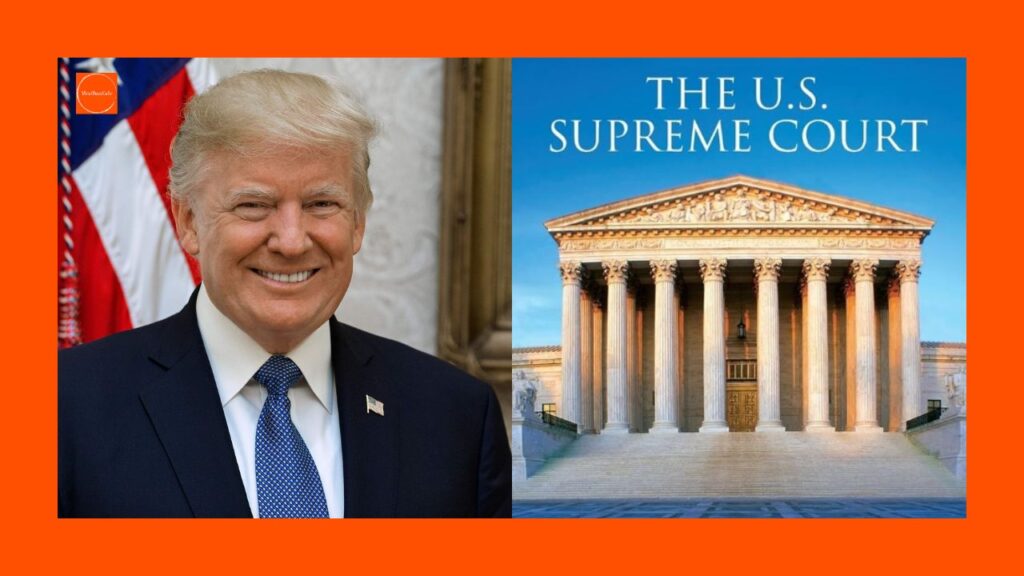
Donald Trump – US Supreme Court
🚨 White House vs. Federal Judges – Supreme Court Showdown! ⚖️🔥
The Trump administration is urging the Supreme Court to limit the power of federal judges who have repeatedly blocked key policies. This legal battle could reshape executive authority and judicial oversight for decades to come.
💬 Should unelected judges have the power to halt national policies, or is this a vital check on presidential overreach? 🤔
Read the full breakdown of this high-stakes legal fight! 👇
Escalating Political Divide: A Battle for Institutional Control
Introduction
The White House has intensified its efforts to curtail the influence of federal judges who have impeded President Trump’s policy initiatives. Labeling these judges as “activists,” the administration is pressing the U.S. Supreme Court to intervene and restrict their authority. This development underscores a growing tension between the executive and judicial branches, raising concerns about potential constitutional implications.
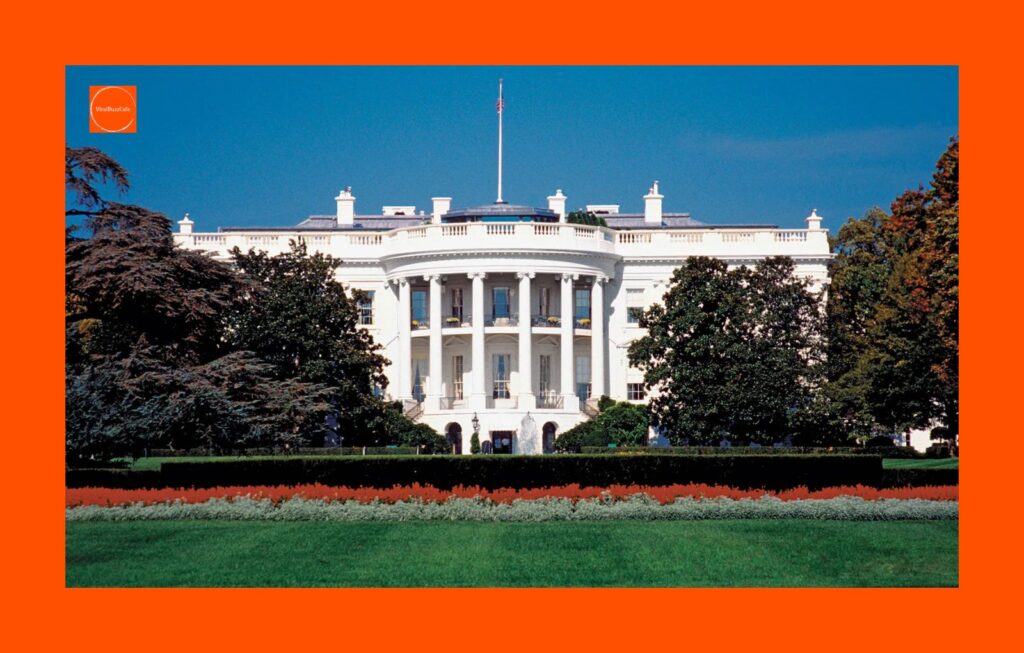
White House
Administration’s Critique of Federal Judges
White House Press Secretary Karoline Leavitt has been vocal in her criticism of certain federal judges, accusing them of partisanship in their rulings against the administration. She emphasized the need for the Supreme Court to address what she perceives as judicial overreach, stating that judges acting erroneously should be checked by the highest court.
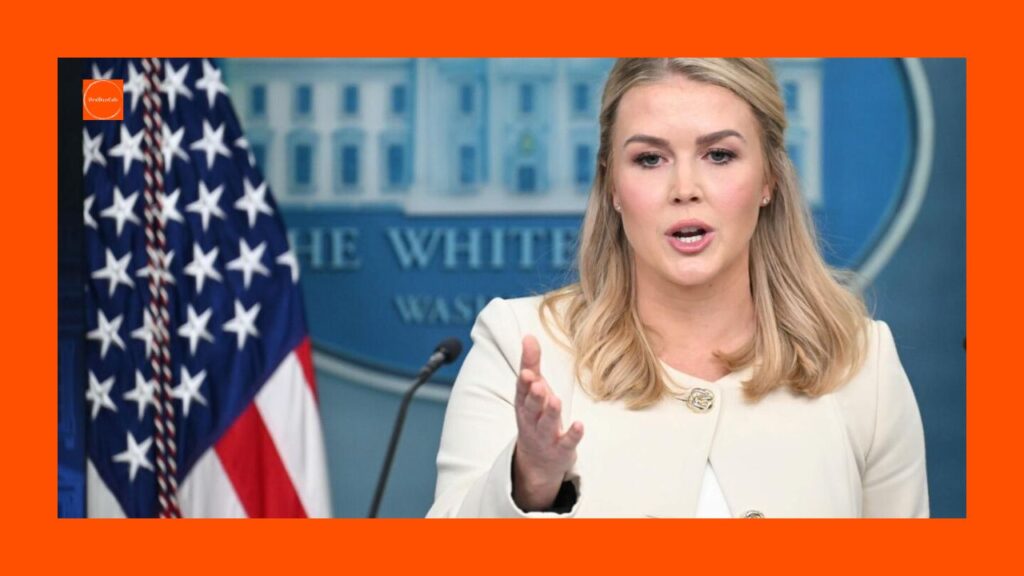
Press Secretary Karoline Leavitt
Recent Judicial Blocks on Trump’s Policies
Several of President Trump’s key policy directives have faced legal challenges leading to temporary or permanent injunctions:
-
Deportation Under the Alien Enemies Act: A federal judge issued a temporary order preventing the administration from deporting migrants under this 18th-century law. This prompted President Trump to call for the judge’s impeachment.
-
Birthright Citizenship: Executive orders aiming to end birthright citizenship have been blocked by multiple injunctions as courts deliberate on their constitutionality.
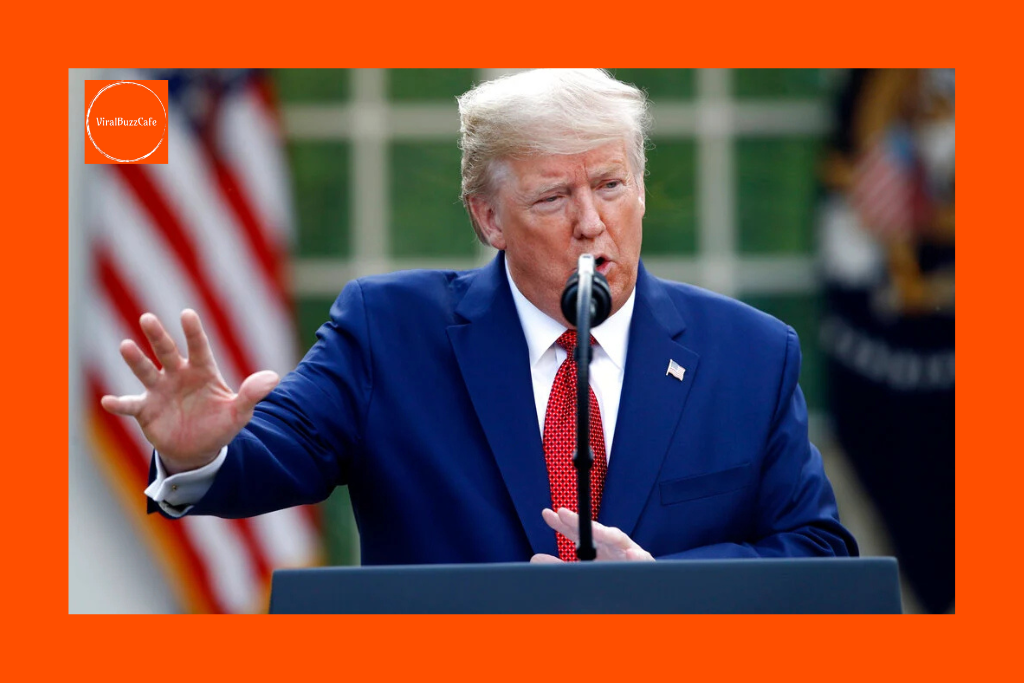
Donald Trump
-
Transgender Military Service Ban: Efforts to bar transgender individuals from serving in the military have been halted by preliminary injunctions.
-
Federal Worker Buyout Program: The administration’s move to implement a buyout program for federal workers has encountered legal hurdles, with courts questioning its legality.
The Road Ahead: Legal Battles and Supreme Court Involvement
As the White House intensifies its calls for judicial restraint, the legal community remains divided on whether the Supreme Court will take decisive action. Historically, the Court has exercised caution when ruling on issues that directly involve executive authority versus judicial oversight. However, given the frequency of nationwide injunctions against Trump’s policies, legal experts anticipate that the justices may soon establish a precedent regarding the limits of district court rulings.
US Supreme Court
Potential Supreme Court Interventions
Several key cases are poised to reach the Supreme Court, potentially setting new legal benchmarks:
The Legality of Nationwide Injunctions
The Court may rule on whether district judges have the authority to issue sweeping injunctions that impact national policy. A decision to restrict such powers could significantly change how legal challenges to executive actions unfold.
Presidential Discretion Over Immigration
Cases involving the Alien Enemies Act and other immigration directives could set new standards on the extent of presidential powers regarding deportation and border security.
Constitutionality of Targeted Executive Orders
The justices may also address whether specific executive orders, such as those targeting birthright citizenship or transgender military service, are constitutional under current interpretations of the 14th Amendment and anti-discrimination laws.
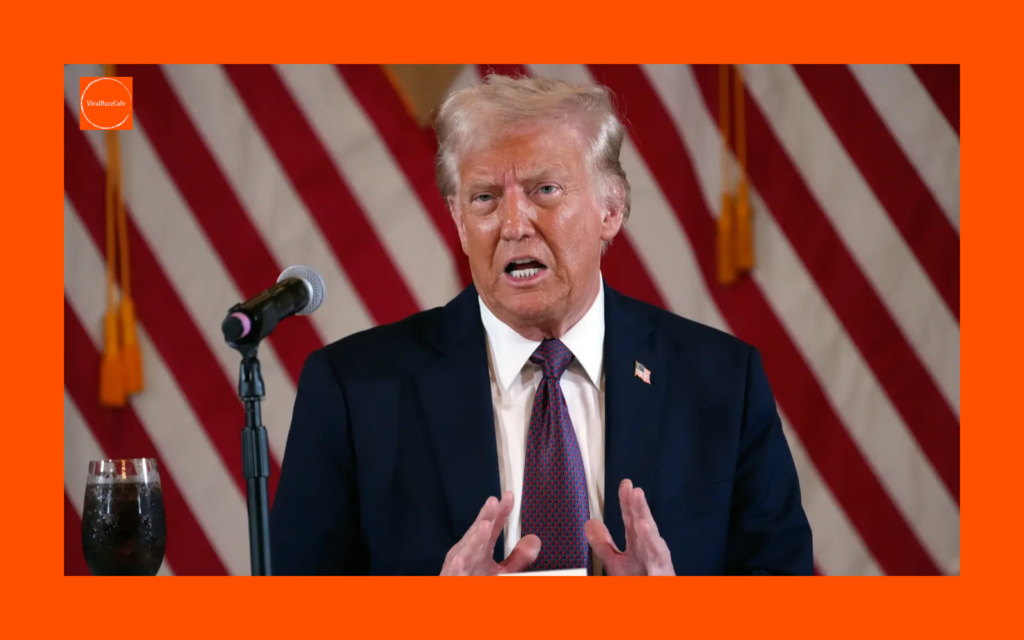
Donald Trump
Judicial Independence Versus Executive Power
The growing friction between the judiciary and the executive branch raises broader questions about the balance of power in American democracy. Legal scholars caution that diminishing the judiciary’s ability to check presidential authority could set a dangerous precedent, potentially eroding constitutional safeguards.
- Defenders of Judicial Review argue that the courts serve as a critical counterbalance against potential overreach by the executive branch. Any efforts to weaken judicial independence could undermine the rule of law.
US President – US Supreme Court
- Supporters of Executive Action contend that unelected judges should not have the ability to unilaterally obstruct policies enacted by a democratically elected administration. They argue that the executive branch must retain the flexibility to govern effectively without constant judicial interference.
Congressional Response: Calls for Reform
Beyond the Supreme Court, Congress could play a role in shaping how future legal battles unfold. Some Republican lawmakers have proposed legislative measures to limit the scope of district court rulings, arguing that the judicial system should not be used as a political tool to obstruct the administration’s agenda.
Proposed Reforms Include:
-
- Restricting nationwide injunctions to higher appellate courts rather than allowing individual district judges to issue broad rulings.
- Revising judicial appointment processes to ensure ideological balance in federal courts.
- Expanding the Supreme Court’s ability to fast-track cases that involve executive authority.
Implications for the 2024 Election and Beyond
The battle over judicial authority is likely to be a major theme in the upcoming 2024 presidential election. Trump’s campaign has already positioned the judiciary as a central issue, arguing that “activist judges” are blocking policies that Americans voted for.
- If the Supreme Court Sides with the White House, it could pave the way for a more powerful presidency, reducing the ability of lower courts to obstruct executive action.
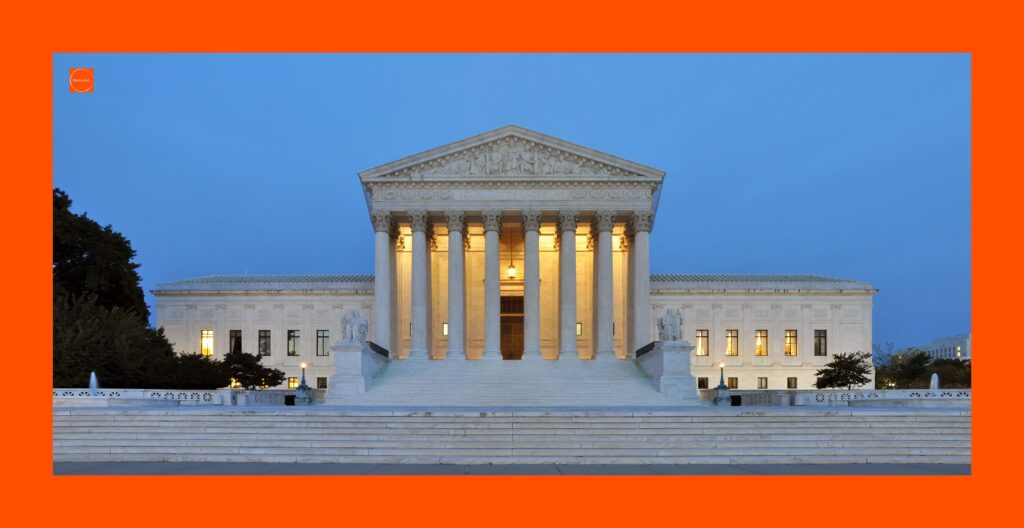
US Supreme Court
- If the Supreme Court Upholds the Status Quo, judicial oversight will remain a significant check on the executive branch, potentially frustrating Trump’s ability to implement controversial policies.
The intensifying clash between the White House and the judiciary is not happening in isolation—it is unfolding within a broader political environment where both major parties view the courts as a battleground for ideological dominance.
Republican Push for Judicial Restraint
Republicans, particularly those aligned with Trump’s vision, have long expressed frustration over what they perceive as judicial activism. They argue that many lower-court judges, particularly those appointed under Democratic administrations, have deliberately obstructed conservative policies through injunctions that go beyond the scope of their judicial authority.
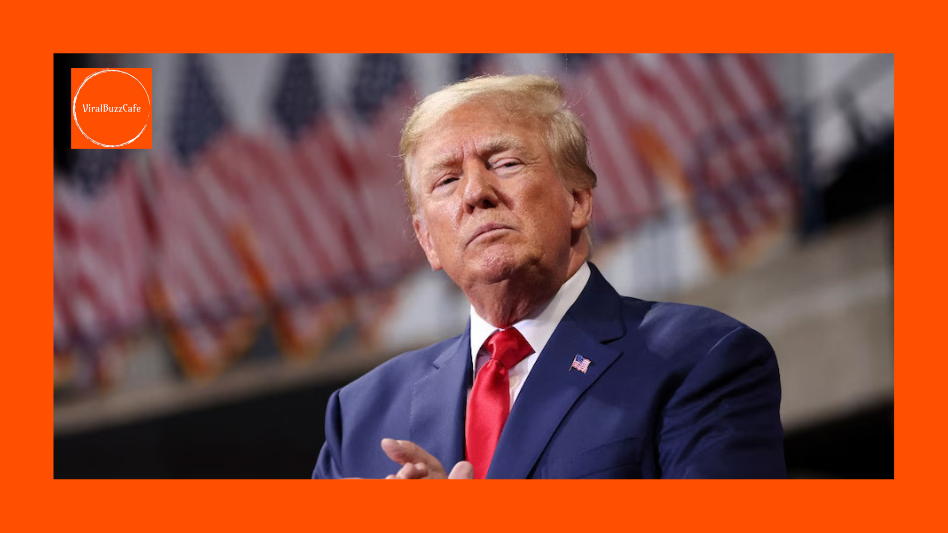
Donald Trump
Key Arguments from the Republican Perspective:
- Overreach by Lower Courts: Conservative lawmakers and legal scholars claim that district court judges have been acting more as policymakers than neutral interpreters of the law.
- Lack of Accountability: Unlike elected officials, federal judges hold lifetime appointments, leading to concerns that their rulings are not subject to democratic checks.
- Need for Supreme Court Intervention: Many in the GOP believe the Supreme Court should establish clear guidelines on the limits of lower-court authority, particularly in issuing nationwide injunctions.
Senator Josh Hawley, a strong supporter of judicial restraint, has proposed legislation aimed at curbing the ability of district judges to issue sweeping rulings that affect national policy. “One judge in Hawaii or California should not be able to dictate policy for the entire country,” he stated in a recent Senate hearing.
Democratic Defense of Judicial Oversight
Democrats and legal experts who defend the current judicial system argue that judicial review is a cornerstone of democracy. They warn that weakening the judiciary’s power to check the executive branch could set a dangerous precedent, effectively granting the president unchecked authority.
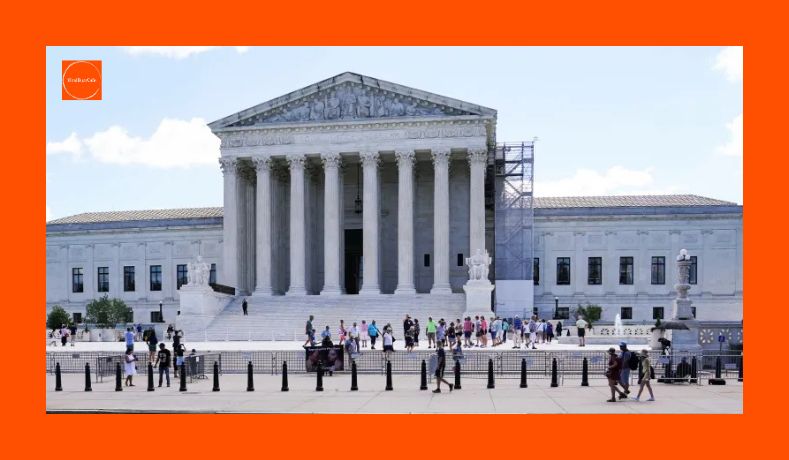
US Supreme Court
Key Counterarguments from the Democratic Perspective:
- Separation of Powers: The judiciary exists precisely to act as a check on potential executive overreach, ensuring that policies align with the Constitution.
- Protecting Civil Liberties: Many of the injunctions issued against Trump’s policies have involved concerns about civil rights, including protections for immigrants, LGBTQ+ individuals, and racial minorities.
- The Courts as a Necessary Safeguard: Democrats argue that the courts have historically played a crucial role in upholding constitutional rights, especially when executive orders or laws challenge them.
House Minority Leader Hakeem Jeffries criticized the White House’s push for Supreme Court intervention, stating, “This is nothing less than an authoritarian attempt to dismantle judicial independence. If Trump can nullify judicial oversight, what stops the next president from doing the same?”
To view the visual story, please visit the link below:
Potential Fallout: Institutional Legitimacy at Stake
Legal experts warn that regardless of how the Supreme Court rules, the battle over judicial authority could have lasting consequences for institutional legitimacy.
US Supreme Court
- If the Supreme Court Sides with Trump, it could create a precedent that significantly weakens the role of lower courts in checking presidential power. Future presidents—Republican or Democrat—may exploit this ruling to implement policies with little legal resistance.
- If the Supreme Court Upholds Judicial Authority, Trump and his allies may use the decision as a political rallying cry, portraying the courts as an unelected barrier to democracy. This could further fuel distrust in the judiciary, particularly among conservative voters.
The Bigger Picture: A Constitutional Crossroads
This confrontation is not just about a single case or administration—it is about the future balance of power in the United States. The outcome could redefine the relationship between the executive and judicial branches for generations to come.
Scenario 1: Expanded Presidential Authority
-
- If the White House successfully limits the power of federal judges, it may embolden future presidents to pursue aggressive policy changes with fewer legal hurdles.
- Critics fear this could open the door to executive overreach, allowing presidents to enact sweeping measures with little accountability.
Donald Trump
Scenario 2: Strengthened Judicial Oversight
-
- If the courts maintain their ability to issue nationwide injunctions, it could serve as a robust check against executive overreach, ensuring that policies undergo judicial scrutiny.
- However, this could also lead to an increase in politically motivated lawsuits, where every major executive action faces immediate legal challenges.
US Supreme Court
Public Opinion: A Nation Divided
Polls indicate that public opinion on this issue is split along partisan lines.
- Conservative voters largely support limiting judicial power, believing that federal judges have overstepped their authority by blocking Trump’s policies.
- Liberal and moderate voters tend to view judicial oversight as essential to democracy, fearing that restricting court powers could lead to authoritarian governance.
Legal analyst Jeffrey Toobin summarized the stakes succinctly: “This is not just about one administration. This is about the very architecture of American democracy. The question before us is whether the judiciary will remain an independent check on power—or whether it will be reshaped to serve the executive branch.”
Final Thoughts: A Defining Legal Battle
The White House’s push to curb judicial oversight marks a pivotal moment in U.S. governance. As the Supreme Court prepares to weigh in, the ruling could establish a new framework for executive authority and judicial review.
No matter the outcome, this legal battle will have far-reaching implications, shaping how future presidents, judges, and lawmakers navigate the delicate balance of power. The very principles that define American democracy—separation of powers, judicial independence, and executive accountability—are now on trial, with the Supreme Court poised to render a historic verdict.
📢 What do you think? Drop your thoughts in the comments! 👇
Follow us on Facebook:
https://www.facebook.com/viralbuzzcafe
Follow us on Instagram:
https://www.instagram.com/vbc_admin/
Visit us on Tumblr: