🚨 Trump’s Federal Workforce Shake-Up: $100 Billion Buyout Plan! 🚨 | Trump | FederalWorkers | GovernmentJobs | Politics | BreakingNews | WhiteHouse | JobCuts | WashingtonDC | USGovernment | TrumpAdministration | FederalBuyout | PublicSector | USA | JobNews | GovernmentShutdown | BudgetCuts | EconomicPolicy | PolicyChanges | NewsUpdate | PoliticalNews |
The Trump administration is offering 2 million federal employees up to 8 months’ pay to resign voluntarily as part of a cost-cutting initiative. Will this streamline government—or create chaos? 🤔💰
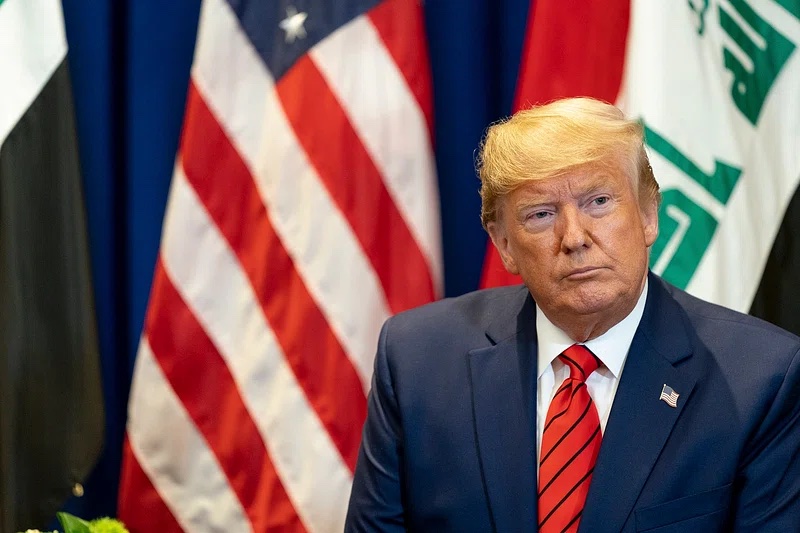
#UNGAPresident Donald J. Trump participates in a bilateral meeting with Iraqi President Barham Salih Tuesday, September 24, 2019, at the Lotte New York Palace in New York City. (Official White House Photo by Shealah Craighead). Original public domain image from Flickr
Trump Administration Offers 2 Million Federal Workers Payouts to Resign
In a sweeping move to reshape the federal workforce, the Trump administration has unveiled a plan offering financial incentives to approximately two million federal employees to voluntarily resign. This initiative, announced on January 28, 2025, is part of a broader strategy to streamline government operations and reduce federal spending.
Deferred Resignation Program: Key Details
The “deferred resignation program” allows eligible federal employees to remain on the payroll until September 30, 2025, with reduced or eliminated duties. Those who opt into the program will receive a severance package equivalent to eight months of salary and benefits. Notably, this offer excludes personnel involved in immigration enforcement, national security, and employees of the U.S. Postal Service.
According to White House officials, the program is designed to encourage voluntary exits while minimizing legal challenges that could arise from mass layoffs. It is expected to significantly reduce payroll costs over the next decade.
Administrative Goals and Expectations
The administration anticipates that between 5% to 10% of the federal workforce will accept the buyout offer, potentially resulting in annual savings of up to $100 billion. This move aligns with President Trump’s commitment to reducing the size of the federal government and increasing efficiency within its operations.
Supporters of the plan argue that it will help eliminate redundancies, streamline bureaucratic processes, and allow for greater flexibility in governmental functions. However, critics worry about the impact of losing experienced civil servants and whether these cuts will lead to a decline in service quality.
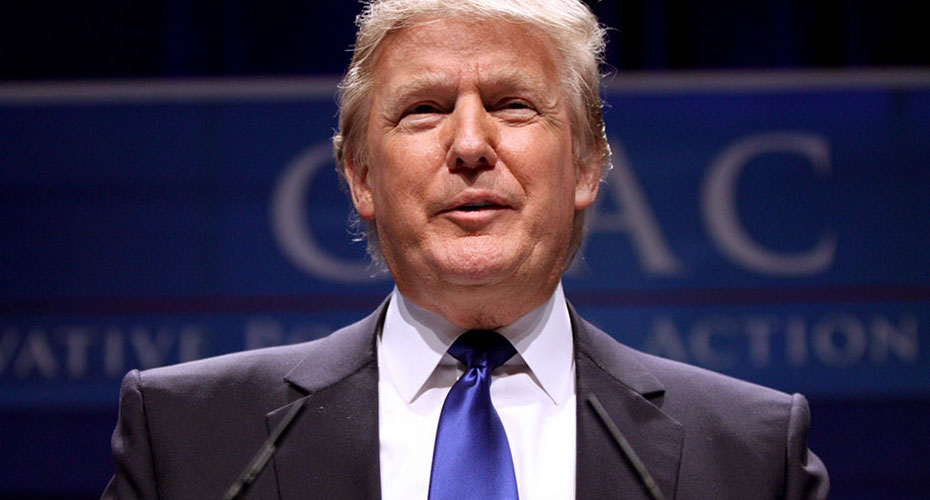
Donald Trump
Union Concerns and Legal Challenges
Federal employee unions have expressed strong opposition to the initiative. The American Federation of Government Employees (AFGE) has criticized the program, arguing that it pressures employees perceived as disloyal to leave and could lead to significant disruptions in federal services.
AFGE President Everett Kelley stated, “This plan is nothing more than a forced purge of experienced government professionals under the guise of budget savings. It will weaken the ability of federal agencies to serve the American people effectively.”
Democratic lawmakers have also raised concerns, with Senator Tim Kaine questioning the legality of the proposal and suggesting that it could violate civil service protections. Legal experts predict potential lawsuits challenging the buyout program, particularly regarding whether employees are being coerced into leaving.
To view the visual story, please visit the link below:
Broader Context: Restructuring the Federal Workforce
This buyout offer is part of a series of actions by the Trump administration aimed at overhauling the federal workforce. Earlier, the administration reinstated Schedule F, a classification that reduces job protections for federal employees in policymaking positions, making it easier to dismiss those deemed underperforming or insubordinate.
Additionally, President Trump has issued executive orders mandating a return to full-time in-office work, ending remote work policies that were implemented during the COVID-19 pandemic. This return-to-office mandate has already faced pushback from employees who argue that flexible work arrangements have proven beneficial in terms of productivity and work-life balance.
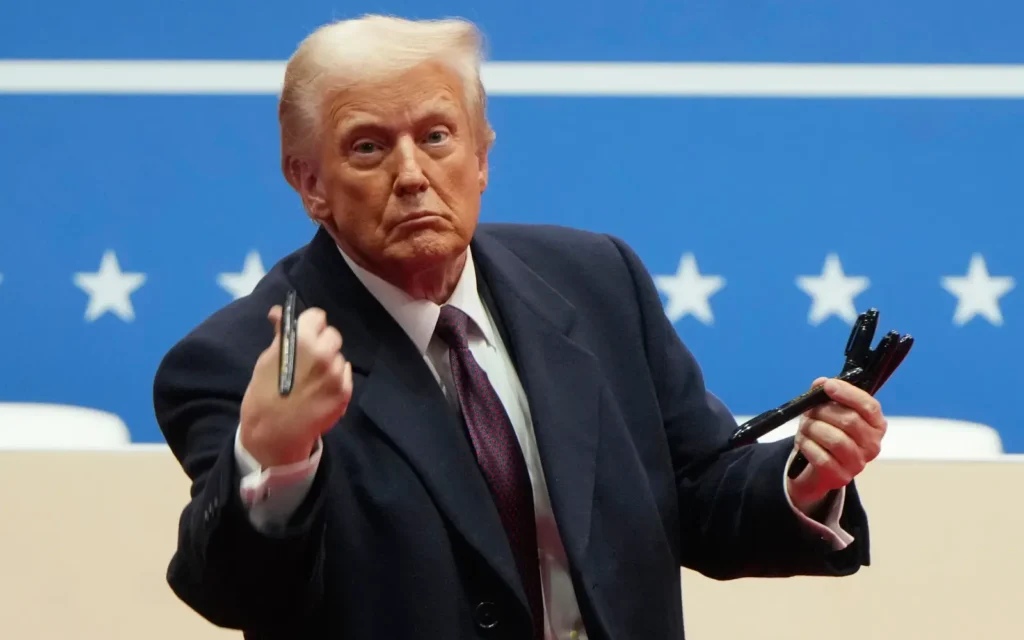
Donald Trump
Implications for Federal Employees
The announcement has created a climate of uncertainty among federal workers. Some employees are considering accepting the buyout, particularly those nearing retirement or those who feel vulnerable under the administration’s new policies. Others, however, are apprehensive about potential job security and the future of their roles within the government.
There is also concern that the departures of seasoned employees could result in a “brain drain,” where institutional knowledge and expertise are lost, potentially affecting the effectiveness of government agencies.
One mid-level government employee, speaking anonymously, stated, “This feels like a push to get rid of experienced professionals and replace them with political loyalists. It’s a worrying trend.”
Potential Economic and Political Impact
The Trump administration’s approach to downsizing the federal workforce is likely to have broader economic and political consequences. A reduction in federal jobs could impact local economies, particularly in regions with a high concentration of government workers, such as Washington, D.C., and Northern Virginia.
Additionally, the plan may become a significant talking point in the upcoming 2026 congressional elections, with Democrats likely using it to rally support from labor groups and federal employees. Conversely, Republicans may tout the initiative as a long-overdue measure to cut government waste and rein in spending.
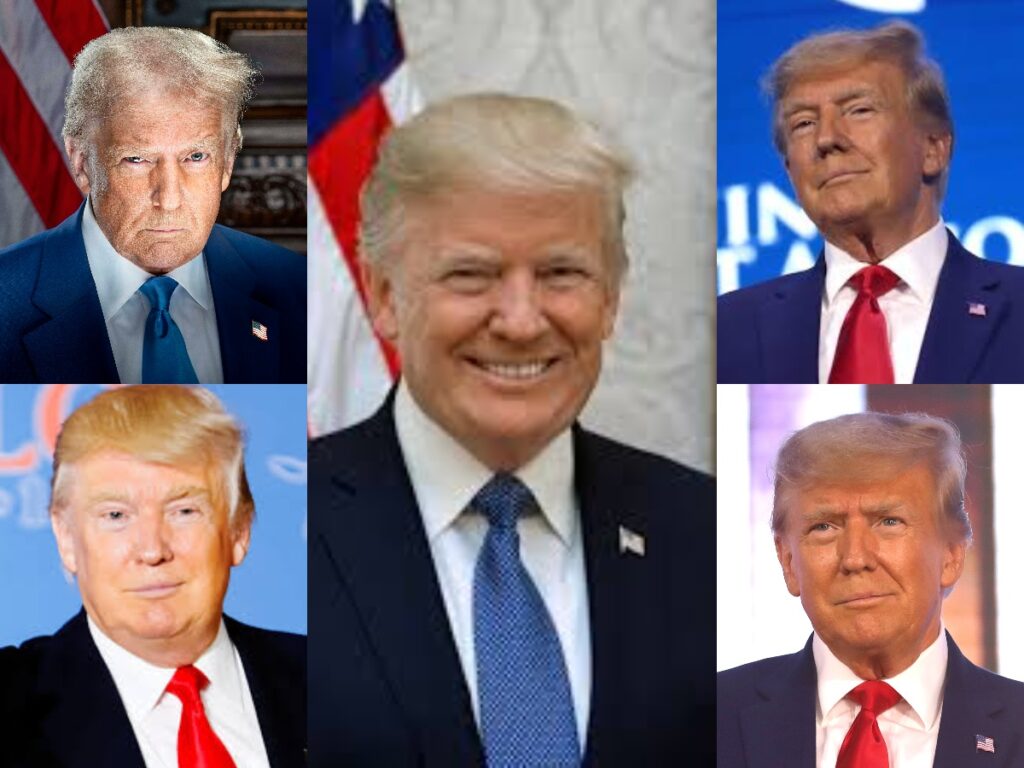
Donald Trump – Collage
Future Outlook and Reactions
The response to the buyout program will depend largely on how many employees opt into it and whether legal challenges succeed in delaying or overturning it. Some analysts predict that agencies may struggle to fill gaps left by departing employees, potentially leading to longer processing times and decreased efficiency in federal services.
Moreover, the extent of bipartisan support or opposition will shape the program’s long-term viability. If Republican lawmakers back the administration’s efforts, the initiative may proceed with minimal obstacles. However, if Democrats and unions successfully challenge the legality of the buyouts, the plan could face delays or revisions.
Political analysts note that this initiative may set a precedent for future administrations regarding federal employment policies, with long-term implications for workforce stability, budgetary efficiency, and public trust in government institutions.
Conclusion
As the Trump administration moves forward with its plan to reduce the federal workforce through voluntary buyouts, the impact on government operations and employee morale remains to be seen. The initiative reflects a significant shift in federal employment policy, with potential long-term consequences for the structure and function of the U.S. government.
While the administration argues that these measures will create a more efficient government, critics fear they could erode institutional stability and diminish public trust in federal agencies. The coming months will reveal whether this strategy achieves its intended goals or triggers unintended disruptions within the federal workforce.
Federal employees and policymakers alike will be watching closely as the program unfolds, assessing whether it leads to improved efficiency or further complicates the functioning of the U.S. government.
📢 What do you think? Drop your thoughts in the comments! 👇
Follow us on Facebook:
https://www.facebook.com/viralbuzzcafe
Follow us on Instagram:
https://www.instagram.com/vbc_admin/
Visit us on Tumblr:
https://www.tumblr.com/blog/viralbuzzcafe
Visit us on Pinterest:
https://www.pinterest.com/viralbuzzcafe