🚨 Trump Wants to Buy TikTok with a Sovereign Wealth Fund | Trump | TikTokBan | TechNews | NationalSecurity | SovereignWealthFund | DigitalEconomy | Trump | ChinaTech | USPolitics | BreakingNews | TikTokControversy | ByteDance | DataPrivacy | PoliticalNews | Trump2024 | TechGovernance | TikTokSale | TechRegulation | DigitalSecurity | EconomicPolicy | FutureOfTech |
🚨 BREAKING: Trump just proposed a sovereign wealth fund to buy TikTok and keep it under U.S. control! 🇺🇸 But is this a bold move to protect national security—or just political theater? With TikTok’s Chinese ownership under fire, this plan could reshape the future of tech and digital governance. 💻🔒
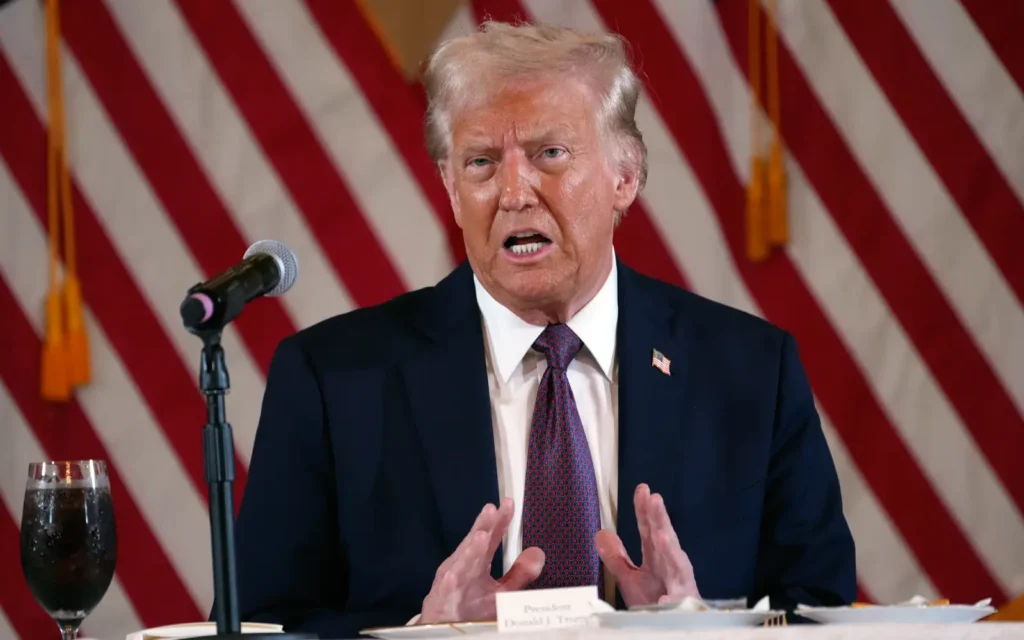
Donald Trump
Trump Proposes Sovereign Wealth Fund to Acquire TikTok: A Bold Move or Political Theater?
A Strategic Financial Maneuver Amid National Security Concerns
In a surprising move to consolidate economic power and address persistent national security concerns, President Donald Trump has signed an executive order to establish a U.S. sovereign wealth fund. This fund, according to Trump, could serve as the vehicle to acquire TikTok, the wildly popular social media platform that has been at the center of political and security debates.
The Birth of a U.S. Sovereign Wealth Fund
On February 3, 2025, Trump directed the U.S. Treasury and Commerce Departments to set up the sovereign wealth fund. This marks an unprecedented shift in the U.S. economic strategy, aligning it with over 100 nations that utilize sovereign wealth funds to manage and grow national wealth. Historically, countries like Norway, Saudi Arabia, and China have successfully used such funds to invest in both domestic and international assets, generating substantial returns.
 Unlike these nations, however, the U.S. faces a significant challenge—its persistent budget deficit. While sovereign wealth funds are typically funded through budget surpluses or revenue from natural resources, Trump’s administration has suggested that tariffs and strategic fiscal measures could be employed to finance this ambitious project.
The idea of a sovereign wealth fund—a state-owned investment vehicle—is not new. Countries like Norway and Saudi Arabia have long used such funds to manage national wealth and invest in strategic assets. However, the concept is relatively untested in the United States, where free-market principles typically dominate economic policy.
TikTok: The Prime Target
Central to the fund’s purpose is the potential acquisition of TikTok, owned by Chinese tech giant ByteDance. The platform, which boasts over 150 million American users, has faced bipartisan scrutiny over data privacy and national security concerns. In 2020, Trump had previously attempted to force ByteDance to divest TikTok’s U.S. operations, citing fears of Chinese government influence over user data.
tik tok
With this new sovereign wealth fund, Trump envisions a scenario where the U.S. government could directly acquire a significant stake in TikTok—potentially up to 50%. This would not only address security concerns but also keep the platform accessible to millions of American users, avoiding the fallout of an outright ban.
How the Fund Would Work
According to Trump, the sovereign wealth fund would be capitalized through a combination of federal resources and private investments. He envisions the fund as a mechanism to acquire not only TikTok but also other foreign-owned assets deemed critical to national security. “This is about protecting our future,” Trump said. “We will use this fund to buy what we need and keep it in American hands.”
However, experts are skeptical about the practicality of this plan. Sovereign wealth funds typically rely on surplus revenues, such as those from natural resources or trade surpluses, to generate capital. The U.S. government, which operates under significant budget deficits, lacks such a revenue stream. Additionally, the creation of such a fund would require congressional approval, which is far from guaranteed in a deeply divided political landscape.
Leadership and Legislative Hurdles
The creation and management of the sovereign wealth fund will be overseen by Treasury Secretary Scott Bessent and Commerce Secretary nominee Howard Lutnick. The executive order mandates that the fund should be operational within the next 12 months. However, this timeline might be optimistic, considering the legislative hurdles ahead.
Establishing such a fund will likely require congressional approval, which could prove contentious. Critics have already raised concerns about the fund’s financing mechanisms, its potential to politicize investment decisions, and the broader implications of direct government ownership in private enterprises.
Economic and Global Implications
Trump has expressed ambitions for the U.S. sovereign wealth fund to rival those of global giants like Saudi Arabia’s Public Investment Fund, which manages over $900 billion in assets. “We have the talent, the resources, and the opportunity to create something that benefits all Americans,” Trump stated during the signing ceremony.
tik tok
Beyond the TikTok acquisition, the fund could be used to invest in critical infrastructure, medical research, and other strategic sectors. This move could mark a significant departure from traditional U.S. economic policy, which has typically relied on private sector investment and market-driven growth.
A New Era of Government Investment?
The establishment of a sovereign wealth fund signals a potential shift towards more direct government involvement in the economy. Proponents argue that such a fund could generate significant returns for the U.S. Treasury, reduce reliance on foreign investment, and provide a strategic tool for national security.
However, skeptics warn of the risks associated with government-controlled investments, including potential mismanagement, political interference, and ethical concerns over state ownership of private enterprises.
As the fund’s development progresses, it will be crucial to monitor how it navigates these challenges and whether it can fulfill its dual mandate of safeguarding national security and generating economic returns.
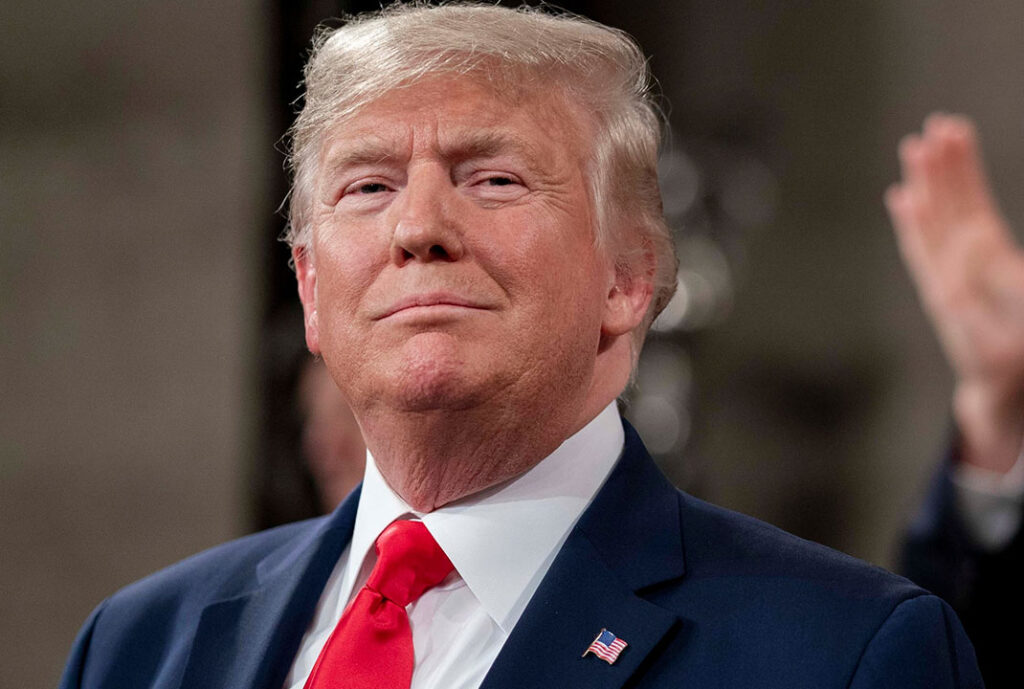
Donald Trump
The Broader Implications
Beyond the immediate debate over TikTok, Trump’s proposal highlights the growing tension between economic globalization and national security. As digital platforms become increasingly central to modern life, governments worldwide are grappling with how to regulate them without stifling innovation or violating free-market principles.
For TikTok, the announcement adds another layer of uncertainty. The platform has already faced scrutiny from both the Biden administration and Congress, with lawmakers introducing legislation that could force ByteDance to divest its U.S. operations. Trump’s sovereign wealth fund proposal, while unlikely to materialize in the near term, underscores the bipartisan consensus that TikTok’s current ownership structure poses a risk.
To view the visual story, please visit the link below:
A Political Ploy or Genuine Solution?
Some analysts view Trump’s announcement as less about policy and more about politics. With the 2024 presidential election on the horizon, Trump is positioning himself as a staunch defender of American interests. By proposing bold, unconventional solutions, he may be seeking to rally his base and differentiate himself from potential rivals.
“Trump has always been a master of spectacle,” said [insert political analyst name]. “This proposal is less about TikTok and more about keeping himself in the headlines and appealing to voters who are concerned about China’s growing influence.”
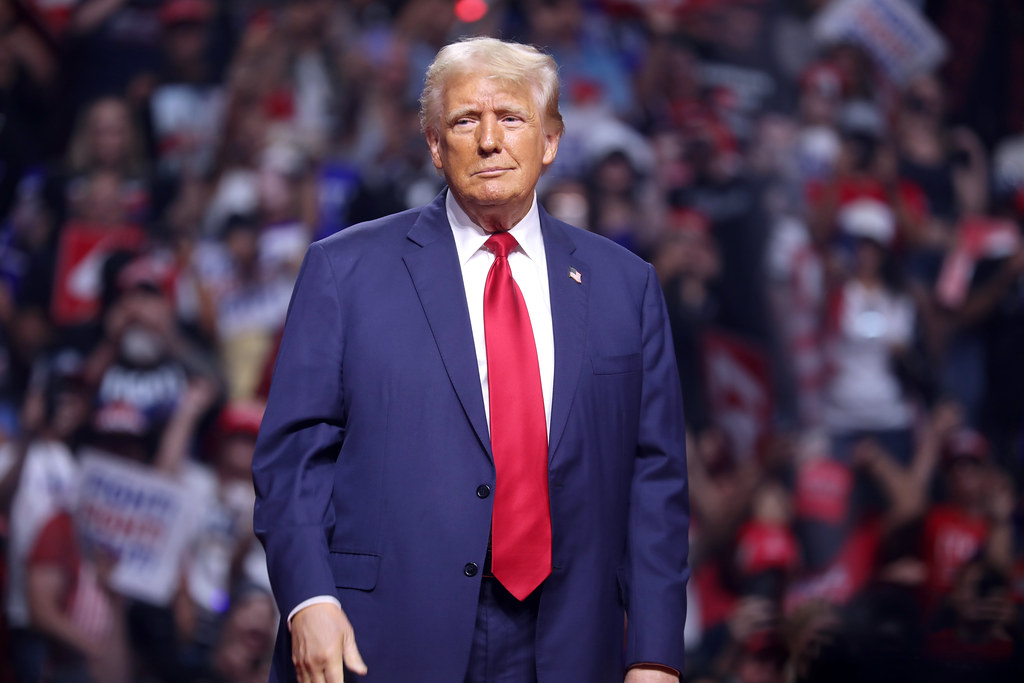
Donald Trump
The Road Ahead
While the idea of a sovereign wealth fund to acquire TikTok is intriguing, it faces significant hurdles. Legal challenges, funding constraints, and political opposition all stand in the way of its realization. Moreover, the Biden administration has shown no indication of supporting such a plan, preferring instead to address TikTok’s ownership through regulatory and legislative channels.
For now, Trump’s proposal remains a talking point rather than a concrete policy. However, it has succeeded in reigniting the debate over TikTok’s future and the broader issue of foreign ownership of critical digital assets. Whether this leads to meaningful action or fades into the background remains to be seen.
Conclusion
Donald Trump’s proposal to establish a sovereign wealth fund to acquire TikTok is a bold and controversial idea that reflects the growing intersection of technology, national security, and politics. While the plan is unlikely to come to fruition in its current form, it underscores the urgency of addressing the challenges posed by foreign-owned digital platforms. As the debate continues, one thing is clear: TikTok’s fate will have far-reaching implications for the future of global tech governance.