🇮🇳 India Strikes Back: Operation Sindoor Targets Terror Camps in Pakistan After Kashmir Massacre
🔴 | BreakingNews | OperationSindoor | India | Pakistan | IndiaStrikesBack | KashmirMassacre | Terrorism | GeoPolitics | IndiaStrikesPakistan | IndiaNationalSecurity | IndianAirForceStrikes | PakistanTerrorLinks | LineOfControlClashes | TerrorismInKashmir | IndiaPakistanStandoff | OperationSindoor | IndiaPakistanConflict | PahalgamAttack | CrossBorderTerrorism | ModiResponseToTerror |
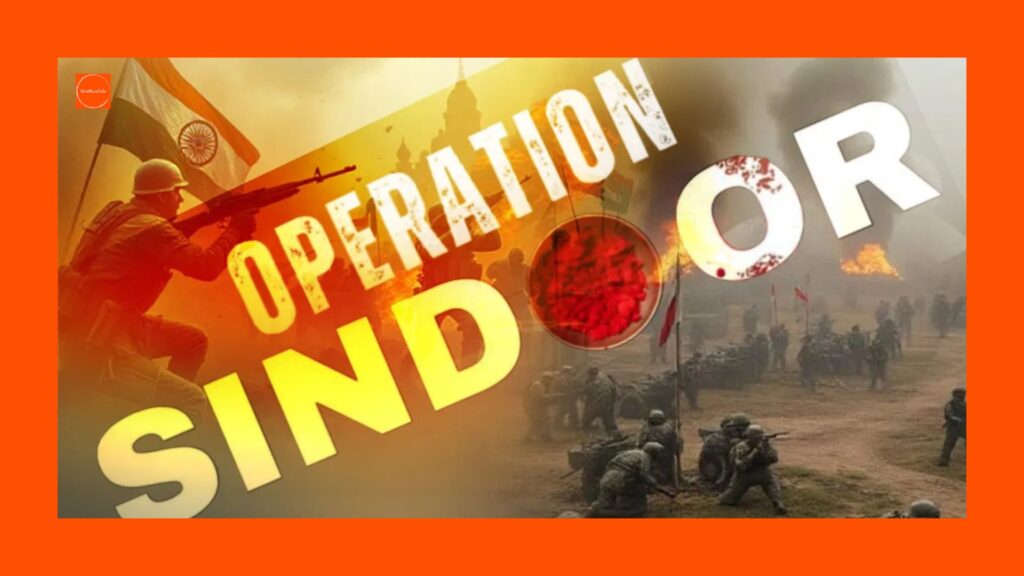
Operation Sindoor Unleashed
🇮🇳 BREAKING:
India launches Operation Sindoor, a series of precision airstrikes on terror camps in Pakistan after the brutal Kashmir massacre in Pahalgam left 27 civilians dead.
Tensions soar as Pakistan vows retaliation. The region stands on the brink.
Is South Asia heading toward a dangerous new chapter?
📰 Read the full story on the escalating India-Pakistan conflict.
🇮🇳 India Strikes Pakistan After Kashmir Massacre: Rising Tensions Shake South Asia
A Devastating Catalyst: Pahalgam’s Darkest Day
In what has been described as the deadliest attack on civilians in Kashmir in nearly a decade, armed militants opened fire on a group of Hindu tourists in the scenic Pahalgam region on April 22, 2025. According to official sources, at least 27 people were killed and over 40 others injured in the premeditated ambush. Eyewitness accounts indicate that the assailants selectively targeted based on religious identity—a chilling reminder of past communal violence.
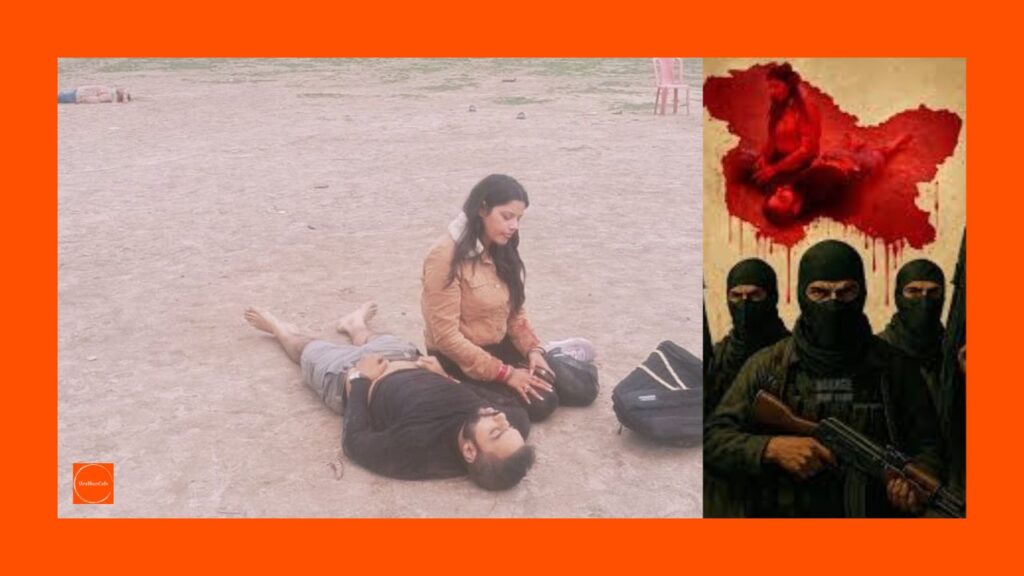
Terror Strikes Pahalgam
The Resistance Front (TRF), an offshoot of the Pakistan-based Lashkar-e-Taiba, claimed responsibility for the massacre within hours. This admission further inflamed tensions, with India accusing Pakistan of providing sanctuary and strategic support to terrorist outfits operating in the Kashmir Valley. Pakistan, as in previous cases, denied involvement.
Operation Sindoor: A Precision Strike with a Political Message
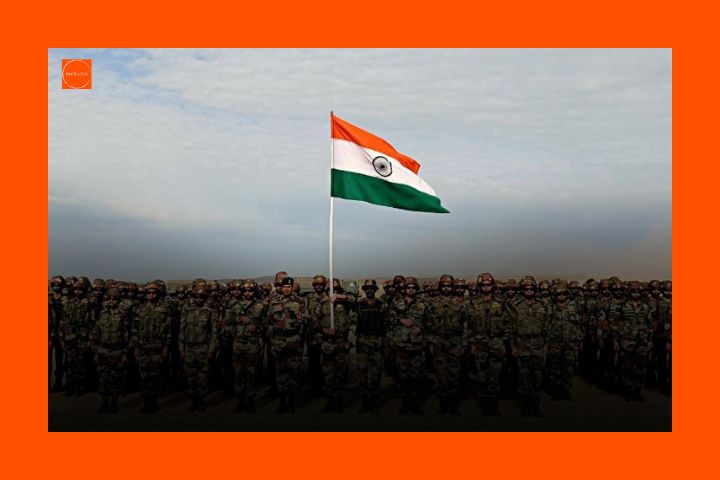
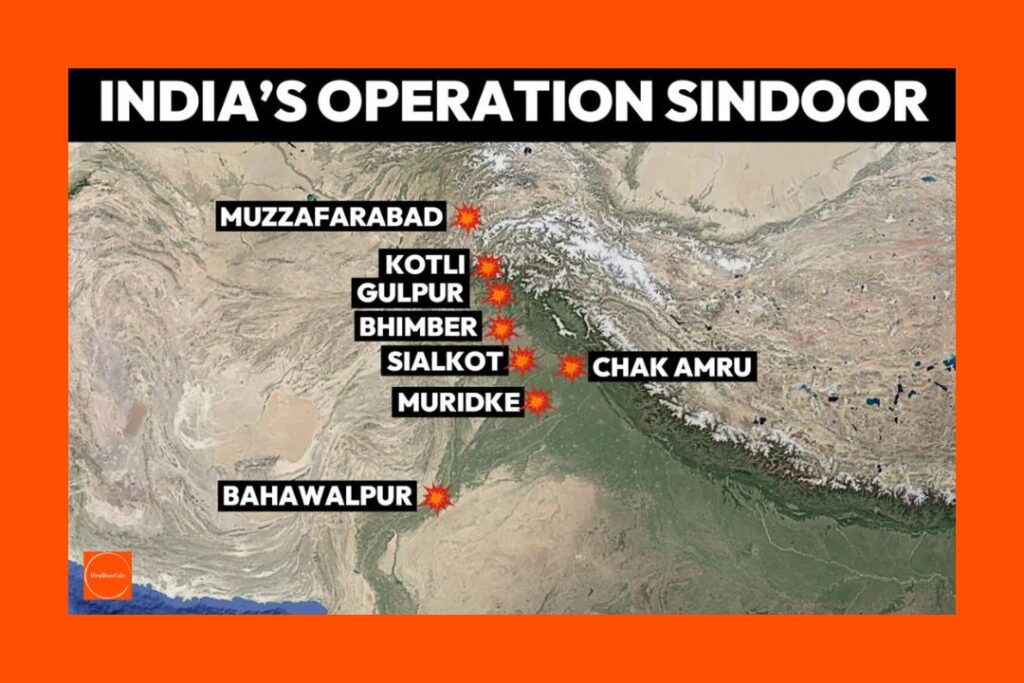
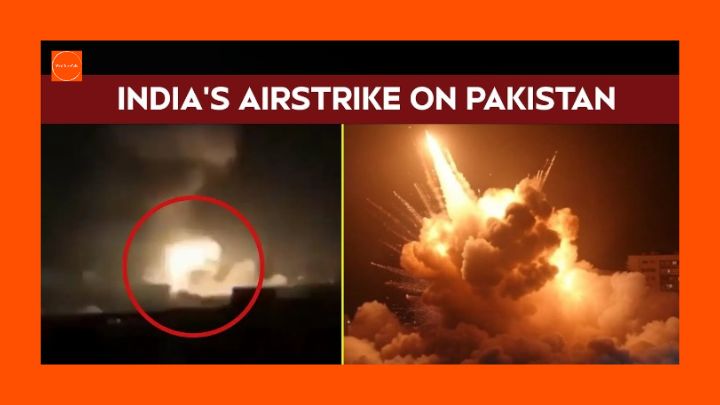
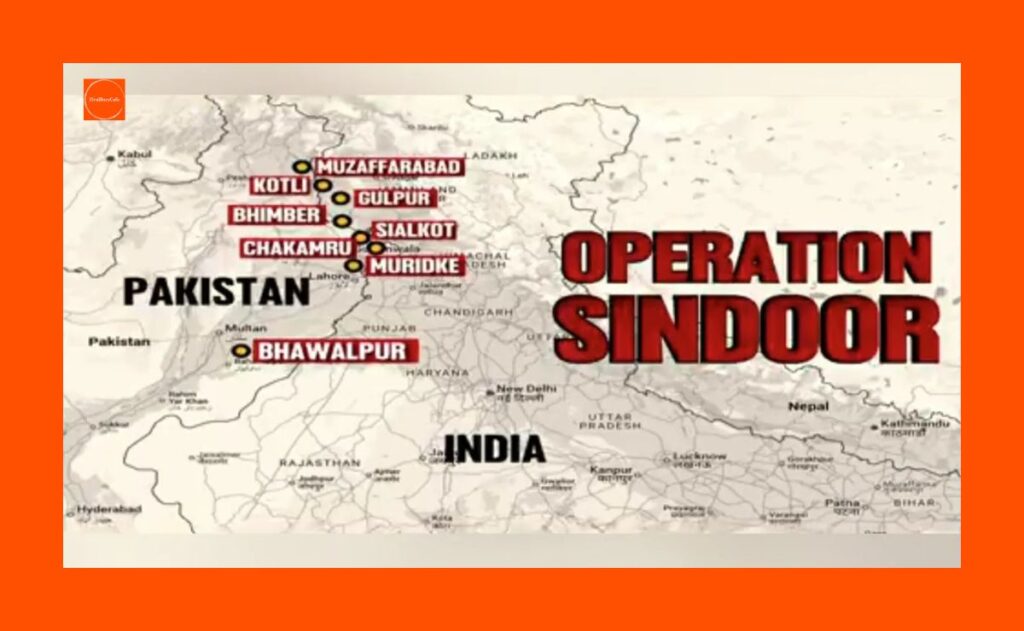
On the morning of May 7, in a move both swift and calculated, the Indian Air Force launched “Operation Sindoor”—a series of surgical airstrikes that reportedly hit nine terror launch pads and logistics hubs in Pakistan-administered Kashmir and deep inside Pakistan’s Punjab province.
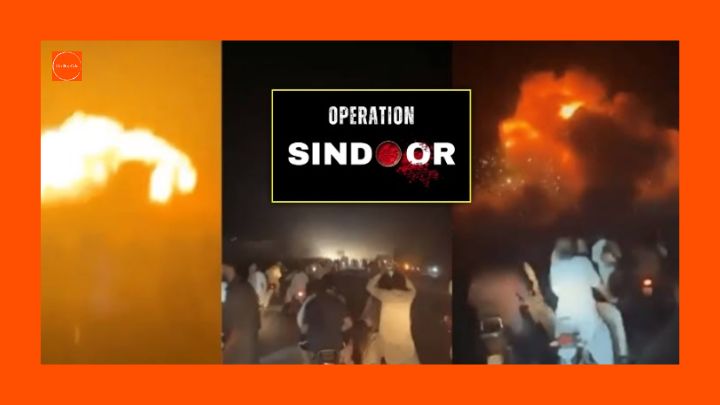
Operation Sindoor
The Indian government claimed the strikes were carefully calibrated to avoid civilian casualties while delivering a clear message: India will no longer tolerate terrorism sponsored across its borders. Key targets included facilities in Bahawalpur—believed to be a Lashkar headquarters—and a major arms depot in Muridke, long suspected to be a hub of jihadi training.
Sources within India’s defense establishment described the mission as “flawless in execution,” with Rafale and Mirage 2000 jets successfully returning to base without casualties.
Pakistan’s Counter-Claims and Rising Alarm
In a sharp rebuttal, the Pakistani military acknowledged the strikes but accused India of violating international law and territorial sovereignty. Islamabad claimed that 26 civilians were killed, including women and children, and vowed a “befitting response.”
Operation Sindoor
That response came within 24 hours. On May 8, Pakistani jets reportedly violated Indian airspace near the Rajouri sector in Jammu and Kashmir. Although no bombs were dropped, the aerial skirmish triggered Indian air defenses and led to retaliatory artillery fire. Pakistan also claimed to have shot down five Indian aircraft—an assertion New Delhi has categorically denied.
Diplomatic Freefall: Agreements Suspended, Channels Frozen
The immediate political fallout has been severe. India expelled Pakistan’s High Commissioner and suspended bilateral dialogues, including talks on water-sharing under the Indus Waters Treaty—a framework that has withstood decades of hostilities.
Operation Sindoor
In return, Pakistan suspended the 1972 Shimla Agreement, which formed the basis of diplomatic relations post the Bangladesh war. Cross-border trade has been halted, and airspaces have been restricted on both sides, affecting international flights.
External Affairs Minister Dr. Subrahmanyam Jaishankar described the relationship as being in a “deep freeze,” warning of continued military action if provoked again.
International Reaction: Caution, Concern, and Calls for De-escalation
Global leaders have responded with measured urgency. The United States urged both nations to exercise restraint and offered to mediate if required. UN Secretary-General António Guterres called the situation “deeply troubling” and emphasized the need for “immediate de-escalation to avoid catastrophic consequences.”
Operation Sindoor
Israel, one of India’s key defense allies, expressed solidarity with New Delhi’s right to self-defense. Conversely, China—Pakistan’s strategic partner—voiced concern over India’s “unilateral military actions,” while advocating for dialogue.
World markets have reacted as well. The Indian rupee dipped briefly, and crude oil prices spiked amid concerns of potential disruption in South Asian shipping lanes.
Kashmir: Once Again the Flashpoint
The Kashmir region remains the epicenter of conflict, with both sides reinforcing troop deployments along the Line of Control (LoC). Intelligence agencies in New Delhi have warned of possible retaliatory attacks by proxy groups in other Indian cities.
Operation Sindoor
Civilian life in Jammu and Kashmir has been severely disrupted. A curfew remains in place across most of the Valley, and mobile internet services have been suspended indefinitely. Educational institutions have shut down, and a visible military presence continues to dominate urban landscapes like Srinagar and Anantnag.
What Lies Ahead: A Tense and Unpredictable Horizon
With nuclear-armed India and Pakistan locked in a renewed standoff, the world is watching closely. Strategic analysts suggest that unless international diplomatic interventions intensify, the situation could spiral beyond control—especially if more civilian casualties occur.
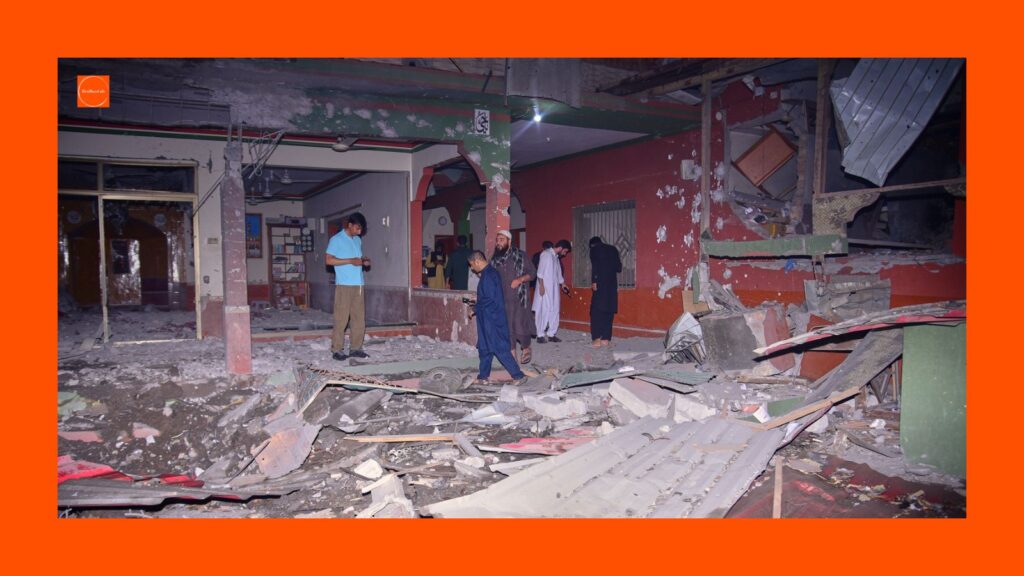
Operation Sindoor
While New Delhi has stated that its objectives were strictly anti-terrorist, Islamabad’s framing of the strikes as an “act of war” has complicated the scope for backchannel diplomacy. Experts warn that a prolonged standoff could open the door for third-party insurgents to exploit the instability.
Domestic Repercussions: Nationalism Surges in India, Unrest Grows in Pakistan
Following the airstrikes, a wave of patriotic fervor swept across India. Prime Minister Narendra Modi, in a televised address, called the operation a “decisive blow to the machinery of cross-border terror.” Public support has surged for the government, with large rallies in New Delhi, Mumbai, and Bengaluru. Hashtags like #IndiaStrikesBack and #JusticeForPahalgam trended nationwide.
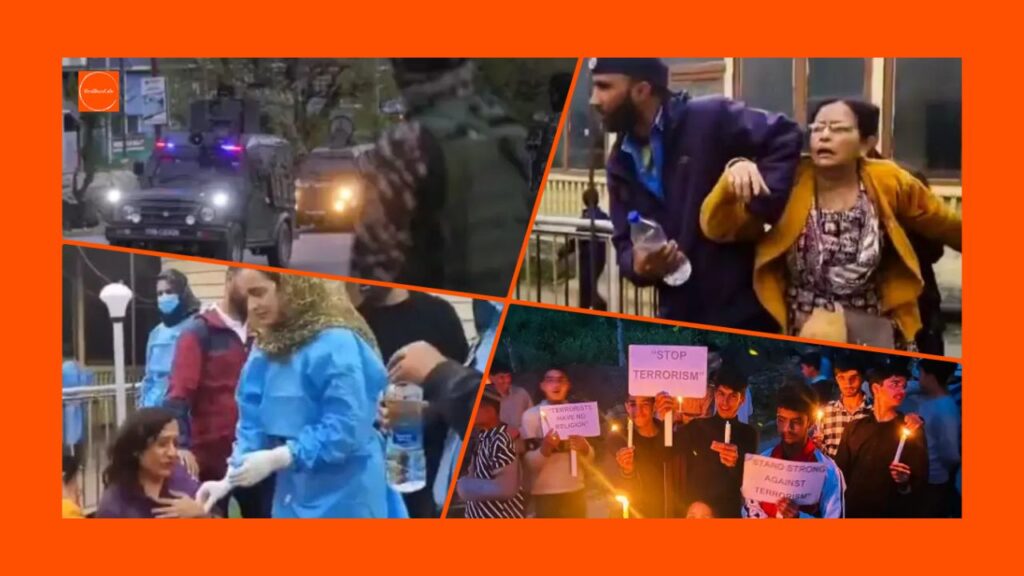
Terror Strikes Pahalgam
Within political corridors, the strike has already influenced the upcoming state elections, with security and national pride dominating party narratives. Even opposition leaders, often critical of Modi’s policies, voiced bipartisan support for the operation.
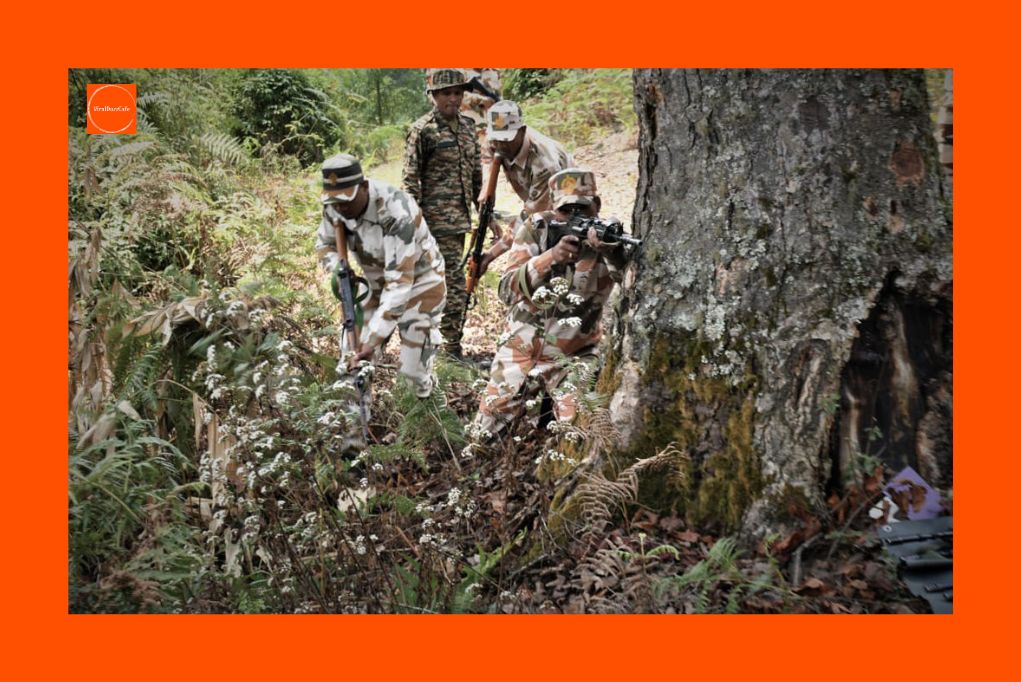
Operation Sindoor
In contrast, Pakistan’s civilian government is grappling with internal chaos. Anti-government protests have erupted in Lahore and Karachi, where opposition leaders blame the administration for failing to prevent escalation and for isolating Pakistan internationally. Social media restrictions have been imposed in several districts to prevent further unrest.
Nuclear Brinkmanship: The Silent Threat
One of the most concerning dimensions of this standoff is the implicit threat of nuclear conflict. Both India and Pakistan possess hundreds of nuclear warheads, and any miscalculation or false-flag operation could trigger an unthinkable chain of events.
Though both nations claim adherence to “credible minimum deterrence” doctrines, neither has signed the Nuclear Non-Proliferation Treaty (NPT). A single error—an intercepted communication, a border misfire, or a rogue militant act—could result in catastrophe.
Military analysts are particularly alarmed by Pakistan’s policy of “first use” in a conventional war scenario. India, while traditionally maintaining a “no first use” stance, has recently signaled a potential shift in its nuclear posture, citing “changing strategic realities.”
The Role of Global Powers: Mediators or Spectators?
As tensions escalate, the world’s major powers are being drawn into a diplomatic minefield. The U.S. State Department has dispatched a special envoy to both New Delhi and Islamabad in a bid to open backchannel communications. Meanwhile, the European Union has called for a special session of the UN Security Council to discuss the crisis.
Operation Sindoor
Russia, which maintains defense ties with both countries, has offered to mediate, although its position is complicated by its own strategic alignments. Beijing’s proximity to the region and its investments through the China-Pakistan Economic Corridor (CPEC) make it a stakeholder, but also a partisan voice likely to back Islamabad.
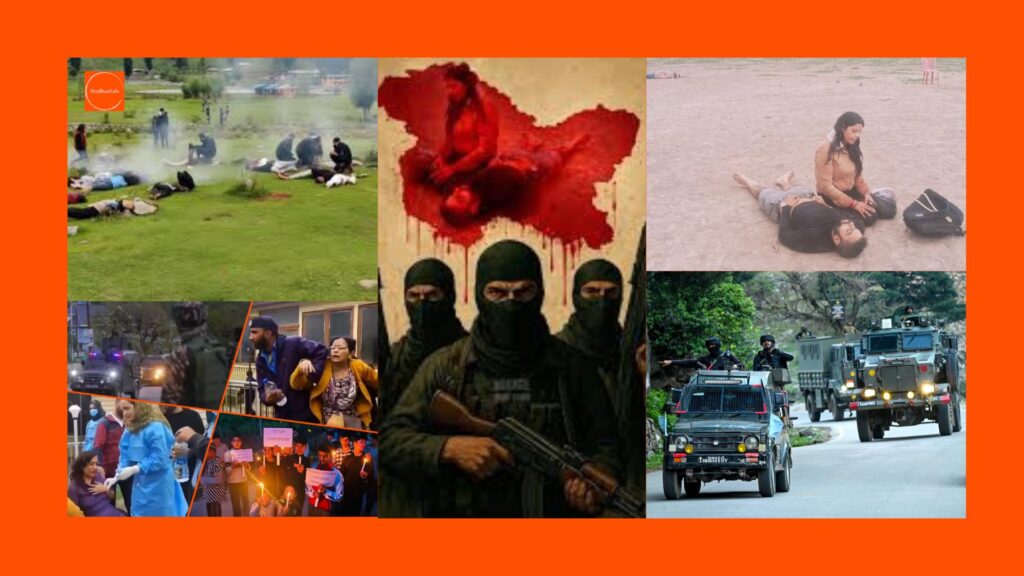
Terror Strikes Pahalgam
Thus far, no multilateral framework has succeeded in de-escalating the immediate hostilities—a dangerous precedent in a region already fraught with unresolved historical grievances.
Final Thoughts: A Historic Crossroads for South Asia
India’s strikes mark a turning point in the subcontinent’s ongoing battle against terrorism. But they also raise difficult questions about sovereignty, escalation, and the fragile thread by which peace in South Asia now hangs.
Operation Sindoor
As tensions continue to simmer, the international community must act quickly—not only to de-escalate this flashpoint but to encourage long-term conflict resolution. For now, the region stands at a dangerous precipice—one spark away from a broader conflagration.
📢 What do you think? Drop your thoughts in the comments! 👇
Follow us on Facebook:
https://www.facebook.com/viralbuzzcafe
Visit us on Tumblr:
https://www.tumblr.com/blog/viralbuzzcafe
Follow us on Instagram: