
America’s Social Security Crisis Is Getting Worse | SocialSecurity | SocialSecurityCrisis | Finance | MoneyNews | USTrustFund | RetirementCrisis | USNews | BreakingNews | EconomicCrisis | SeniorCitizens | PayrollTaxes | BenefitCuts | AmericanEconomy | RetirementPlanning | FutureOfAmerica | RetirementBenefits |

America’s Social Security Crisis
🚨 America’s Retirement System Is Running Out of Time
💰 The Social Security trust fund is shrinking fast — and millions of Americans could eventually face reduced benefits if major reforms don’t happen soon.
📉 Fewer workers. More retirees. Rising costs.
The financial pressure on America’s biggest retirement safety net is growing every year, and lawmakers are running out of time to fix it.
Will Social Security survive the next decade?
America’s Social Security Trust Fund Is Shrinking Fast — And Millions Are Worried About What Comes Next
June 04, 2026
For nearly a century, Social Security has served as one of America’s most important financial safety nets. Every month, millions of retired Americans depend on these payments to afford housing, healthcare, groceries, transportation, and other basic living expenses.
But today, the future of the program is under growing pressure.
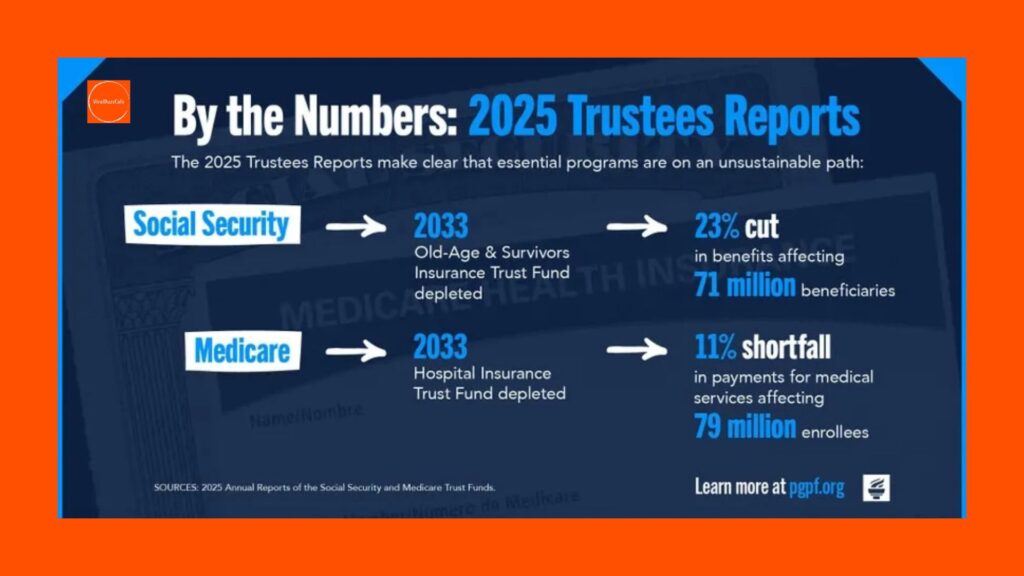
America’s Social Security trust fund is steadily running out of reserves, creating fears about future benefit cuts and the long-term stability of the retirement system. While Social Security itself is not expected to disappear completely, the financial challenges surrounding the program are becoming increasingly difficult for lawmakers to ignore.
The issue is no longer a distant economic warning. It is becoming one of the biggest financial debates shaping America’s future.
What Is the Social Security Trust Fund?
Many Americans assume Social Security works like a personal retirement account where workers save money for their own future benefits. In reality, the system functions very differently.
The program operates mainly through payroll taxes collected from current workers. That money is then used to pay benefits to current retirees.
For many years, Social Security collected more money than it needed to pay out. The extra revenue was placed into a reserve known as the Social Security trust fund.
That reserve gradually grew into a massive financial cushion designed to support the program as the population aged and retirement costs increased.
However, the system has now entered a new phase.
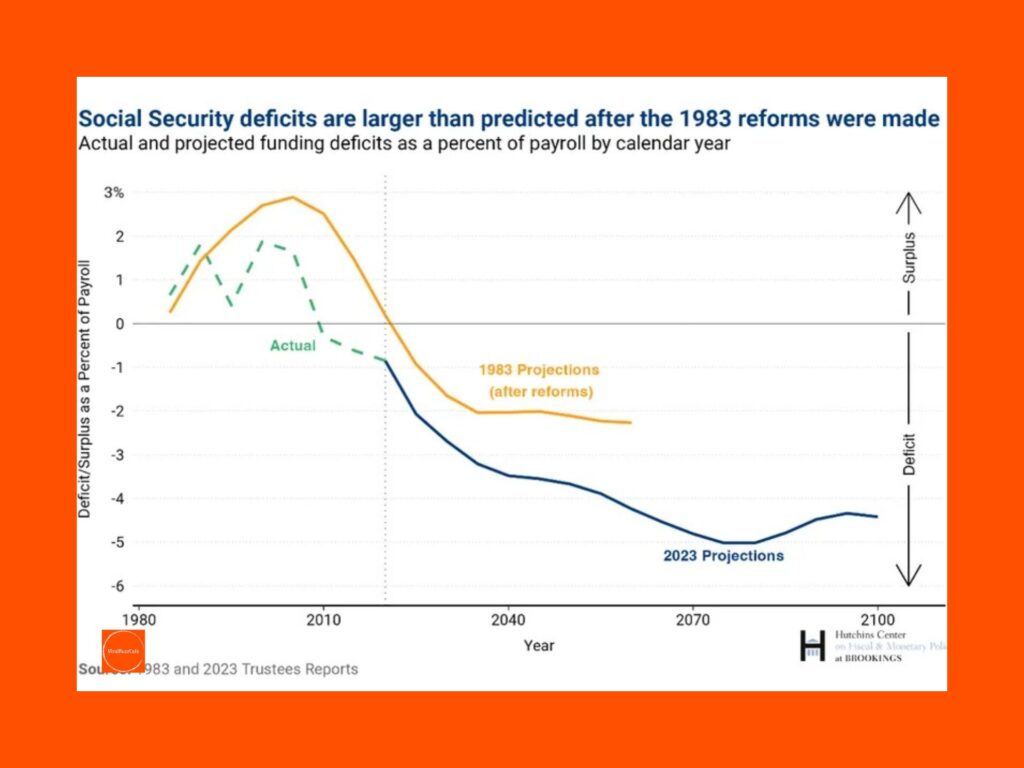
Social Security is paying out more in benefits than it receives through payroll taxes. To cover the shortfall, the government has been using money from the trust fund reserves year after year.
As a result, the reserves are shrinking rapidly.
America’s Social Security Crisis
Why the Financial Pressure Is Growing
Several major trends are pushing the Social Security system toward a financial crossroads.
Millions of Americans Are Retiring
One of the biggest reasons for the growing strain is the retirement of the baby boomer generation.
Large numbers of Americans are now reaching retirement age and beginning to collect benefits. At the same time, life expectancy has increased significantly compared to previous generations.
People are living longer, which means they are receiving Social Security payments for more years than ever before.
That combination has dramatically increased the overall cost of the program.
Fewer Workers Are Paying Into the System
Another major issue is the changing size of the workforce.
Decades ago, there were far more workers contributing payroll taxes for every retiree receiving benefits. That balance helped keep the system financially healthy.
Today, birth rates are lower, workforce growth has slowed, and the number of retirees continues climbing.
This means fewer workers are supporting a larger retired population, placing additional stress on Social Security finances.
Inflation Is Increasing Costs
Rising living expenses are also affecting the program.
Social Security benefits are adjusted periodically to help retirees keep up with inflation and rising consumer prices. While these increases help seniors maintain purchasing power, they also increase the total amount of money the system must pay out each year.
Healthcare costs, housing prices, and food expenses have all become major financial concerns for older Americans, putting even more pressure on benefit payments.

America’s Social Security Crisis
Will Social Security Completely Run Out?
Despite growing fears, Social Security is not expected to vanish entirely.
Even if the trust fund reserves are eventually exhausted, payroll taxes from current workers would continue flowing into the system. That ongoing revenue would still allow the government to pay a significant portion of scheduled benefits.
However, future payments could be reduced if lawmakers fail to implement reforms.
Without changes, retirees could eventually receive smaller monthly checks than currently promised under the existing system.
For many Americans, that possibility is alarming.
Millions of retirees rely heavily on Social Security as their primary source of income. A reduction in benefits could make it harder for seniors to afford basic necessities, especially during periods of high inflation and rising healthcare costs.
To view the visual story, please visit the link below:
Why Congress Has Delayed Action
The Social Security crisis has become one of the most politically sensitive economic issues in the country.
Every proposed solution comes with difficult trade-offs.
Some policymakers believe payroll taxes should be increased to bring more money into the system. Others support raising the retirement age to reflect longer life expectancy.
There are also discussions about reducing benefits for wealthier retirees or expanding taxes on higher-income earners.
But each proposal faces resistance.
Tax increases are unpopular with workers and businesses. Raising the retirement age can create hardship for people in physically demanding jobs. Benefit reductions are politically risky because millions of seniors depend on those payments.
As a result, lawmakers have spent years debating solutions without reaching a long-term agreement.
Meanwhile, the financial pressure continues to build.
America’s Social Security Crisis
Why This Matters Beyond Retirees
The Social Security debate is not only about today’s retirees. It also affects younger generations planning for their financial future.
Many younger workers worry whether the program will still provide full benefits decades from now. That uncertainty is changing how some Americans think about retirement planning, savings, and long-term financial security.
The issue also carries broader economic consequences.
If future retirees receive reduced benefits, consumer spending could decline in many communities where Social Security payments support local economies. The financial strain could also increase pressure on healthcare systems, housing programs, and government assistance services.
America’s Social Security Crisis
The Future of America’s Retirement System
America’s Social Security trust fund is facing a serious financial challenge, and the warning signs are becoming harder to ignore.
An aging population, lower workforce growth, longer life expectancy, and rising costs have combined to create mounting pressure on one of the nation’s most important programs.
Social Security is not expected to disappear overnight, but the system’s reserves are shrinking steadily. Without major reforms, future retirees could face reduced benefits and greater financial uncertainty.
The decisions made over the next several years may determine whether Social Security remains stable for future generations — or becomes one of the biggest economic crises in modern American history.
One thing is certain: the debate over Social Security is no longer about the distant future.
It is happening now.
📢 What do you think? Drop your thoughts in the comments! 👇
Follow us on Facebook:
https://www.facebook.com/viralbuzzcafe
Visit us on Tumblr:
https://www.tumblr.com/blog/viralbuzzcafe
Follow us on Instagram: