Moon Steals The Show: Perseid Meteor Shower 2025 Dims, But Fireballs Await! | Perseids2025 | PerseidMeteorShower | ShootingStars | Fireballs | Stargazing | MoonlightChallenge | Skywatching | MeteorShower | Astrophotography | NightSky | Space | Stars | Astronomy | CelestialEvent | MilkyWayChasers |
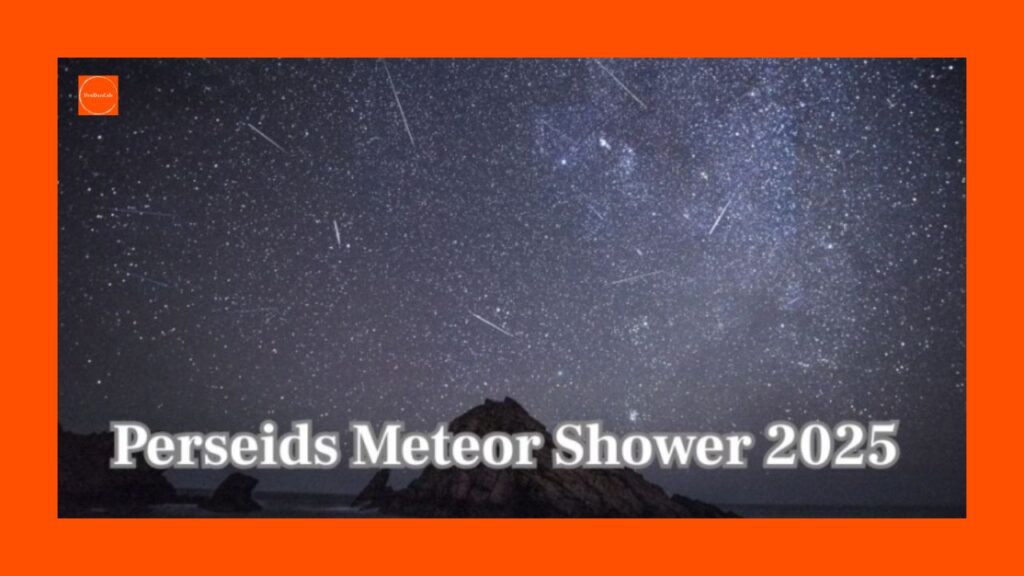
Perseid Meteor Shower 2025
✨ Blame it on the Moon!
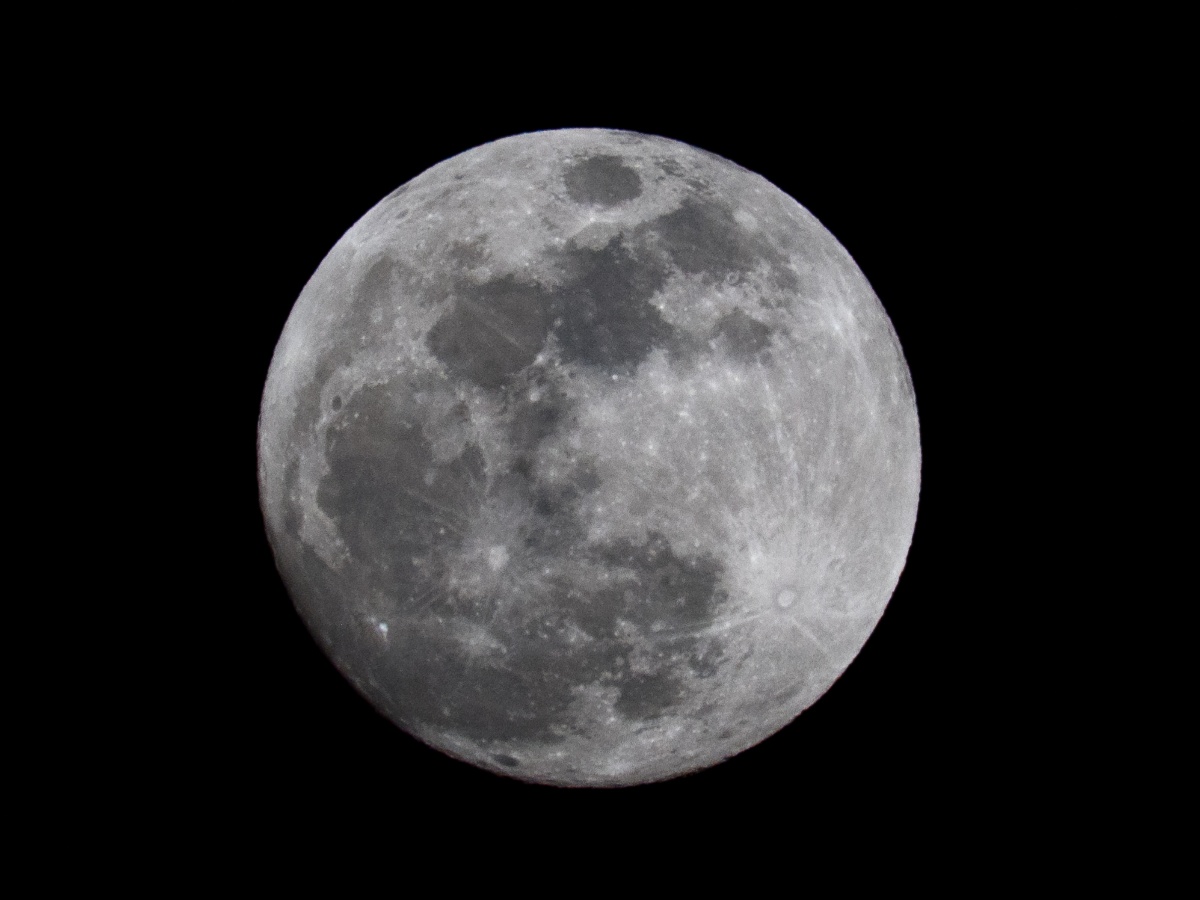
This year’s Perseid Meteor Shower peaks on August 12–13, but a bright waning gibbous moon will dim the show, cutting down the number of visible meteors. 🌙 Don’t worry — the Perseids are famous for brilliant fireballs that can pierce even the moonlight. 🌌
Find a dark spot, keep the moon at your back, and watch for nature’s brightest streaks lighting up the summer sky. 🚀
Here’s what you need to know for the Perseids peak!
Blame It on the Moon: The Perseid Meteor Shower’s Dimmer Face This Year
August 11, 2025
A Summer Sky Show, Slightly Stolen
Every August, the Perseid meteor shower sweeps across the sky, painting the darkness with streaks of light. It’s a highlight for stargazers, a night when the heavens seem alive with motion. For many, it’s a tradition to lie back under the stars and count as many as they can — often dozens each hour.
But this year, the spectacle comes with a twist. While the meteors will still fly, the Moon has decided to be the main headliner, dimming the stage for its annual co-star.
Perseid Meteor Shower 2025
The Peak Meets a Bright Moon
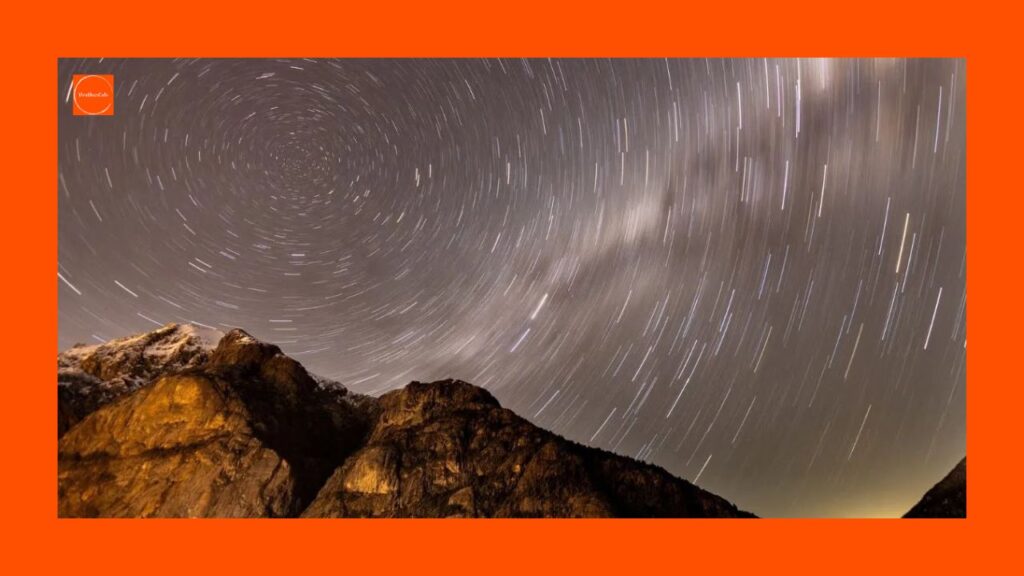
The Perseids run from mid-July to late August, but their big moment — the peak — arrives the night of August 12 into the dark, pre-dawn hours of August 13. Normally, this is when the shower delivers its most dazzling display.
This time, though, the Moon will be a bold presence: a bright waning gibbous, more than three-quarters full. Instead of a dark backdrop for meteors, the sky will be washed in silver light, making only the brightest streaks stand out.
Perseid Meteor Shower 2025
Why Moonlight Matters
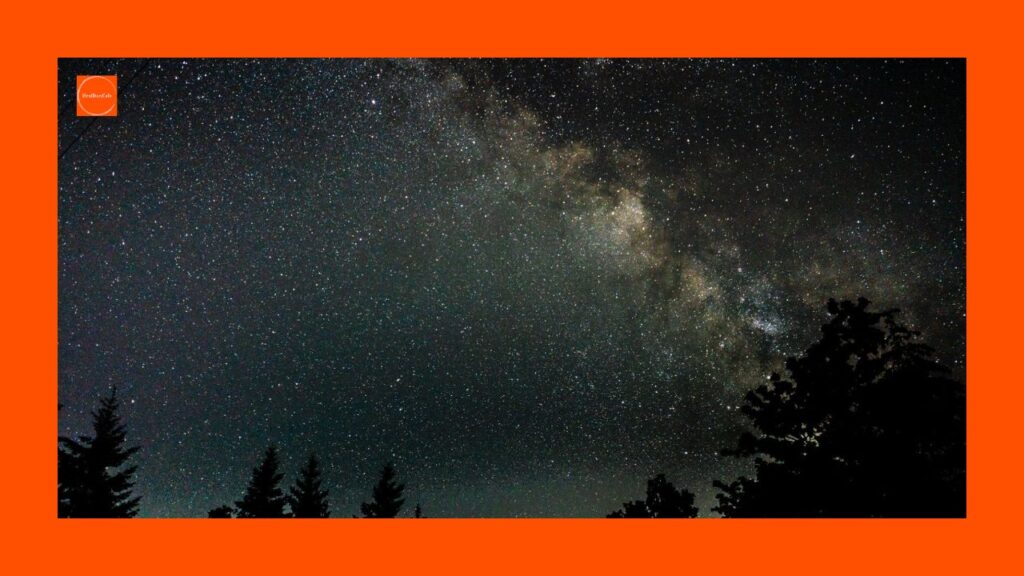
Meteors need contrast to truly shine. When the night is dark, even faint streaks are visible. But moonlight works like a giant cosmic streetlamp, drowning out subtle flashes.
In a typical dark-sky year, you might see 50 to 100 meteors per hour at peak. Under this year’s illuminated skies, that number could drop to around 10 to 20. That doesn’t mean the show is gone — it just means that the faintest meteors will be hiding in the Moon’s glare, leaving only the boldest to blaze through.
Perseid Meteor Shower 2025
The Science Behind the Show
The Perseids come from Earth’s yearly journey through a trail of space dust and tiny fragments left behind by a comet that visited our neighborhood long ago. These cosmic crumbs, some no larger than sand, crash into Earth’s atmosphere at breakneck speeds. As they burn up, they streak across the sky in a brief but brilliant glow.
If you trace the paths of the meteors backward, they seem to originate from the constellation Perseus — hence the shower’s name.
To view the visual story, please visit the link below:
How to Make the Most of the 2025 Perseids
Even with moonlight competing, there are ways to boost your viewing experience. Small changes in timing, location, and patience can make the difference between seeing only a few streaks and catching a handful of unforgettable fireballs.
1. Time It Right
Your best bet is to watch before the Moon rises in the evening, or during the short period before dawn when bright meteors might still push through the glow. The earlier you start, the darker your sky will be.
2. Escape the City Glow
Find a dark, open space — far from streetlights, car headlights, and glowing windows. The Moon might brighten the sky, but you can at least cut out local light pollution.
3. Get Comfortable
Meteor watching means looking up for long stretches. Bring a reclining chair or a blanket, dress for cooler night air, and let your eyes adjust to the darkness for at least 15 minutes.
4. Use the Moon to Your Advantage
Keep the Moon at your back while looking toward the darkest part of the sky. This helps block some of its glare and makes meteors easier to spot.
Perseid Meteor Shower 2025
The Magic of Perseid Fireballs
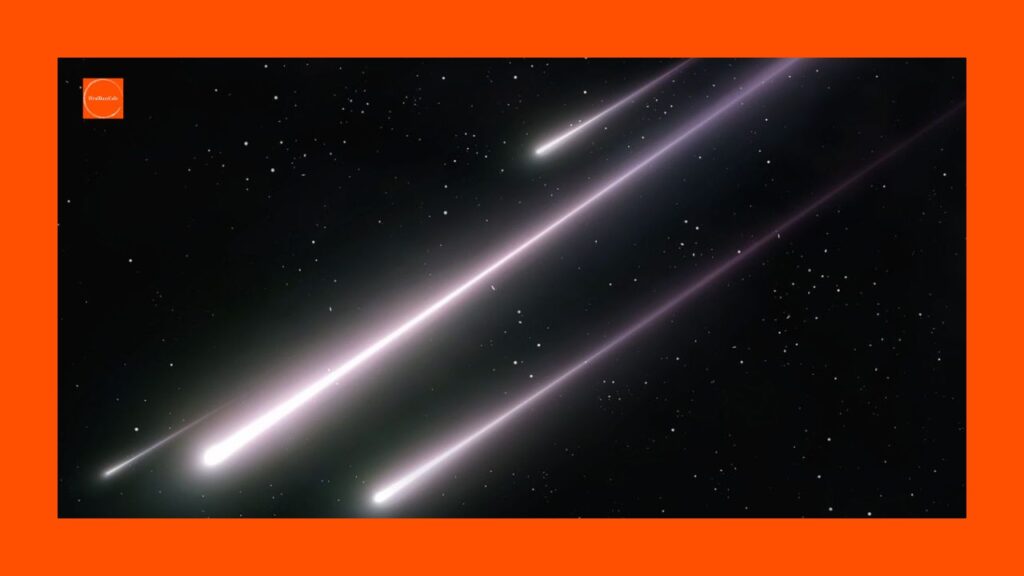
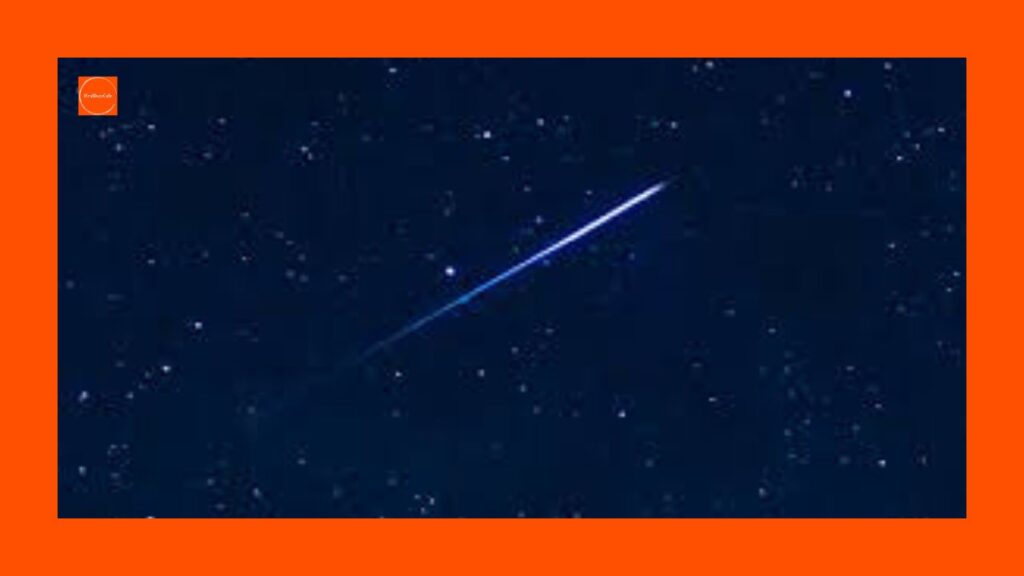
Even in a brightened sky, the Perseids still have a wildcard — fireballs. These are exceptionally bright meteors that can streak across the heavens in vivid color, sometimes leaving glowing trails that linger for seconds. A single fireball can transform an ordinary viewing session into an unforgettable memory.
A Meteor Shower With History
For countless generations, people have watched the Perseids, weaving them into myths, stories, and seasonal traditions. To some, they were signs of change. To others, blessings from the heavens. Today, their charm remains the same — a connection between our lives on Earth and the vast, beautiful universe beyond.
Can You Watch After the Peak?
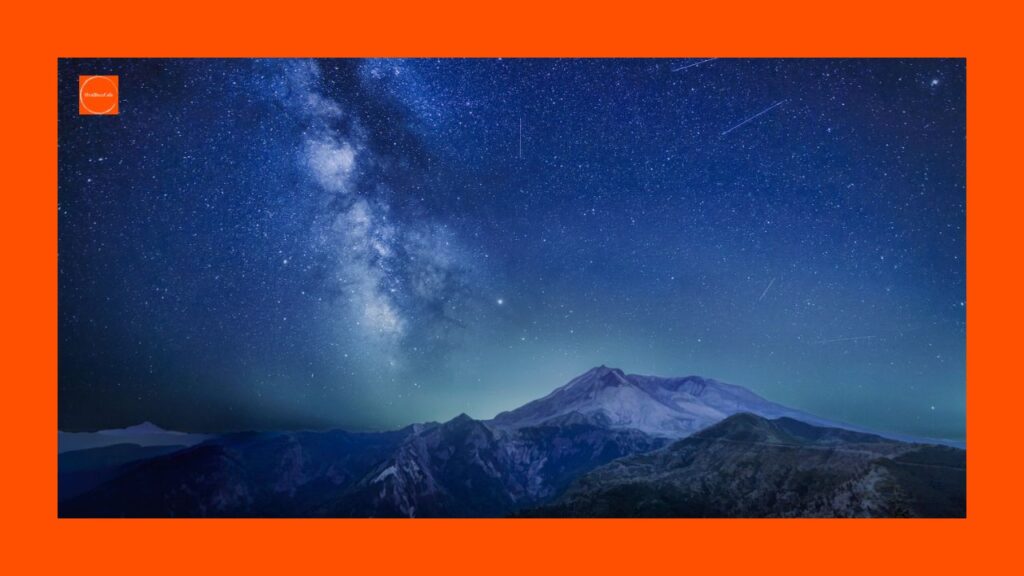
Absolutely. While the peak night offers the highest activity, the Perseids don’t vanish immediately. Meteors can still be seen for several nights before and after, and as the Moon’s brightness fades in the following week, the sky will darken again — offering slightly better conditions, even if the activity rate begins to decline.
Perseid Meteor Shower 2025
Quick Reference for 2025
-
Active Dates: July 17 – August 23
-
Peak: Night of August 12–13
-
Best Viewing: Before moonrise or just before dawn
-
Expected Rate: Around 10–20 meteors per hour under moonlight
-
Best Location: Northern Hemisphere with a clear, open horizon
Final Thoughts
This year, the Perseids will share the stage with a luminous Moon. The faintest streaks may hide, but the most spectacular meteors — the ones that blaze and linger — will still grace the summer sky.
So, pack a blanket, step away from the city, and keep your eyes on the heavens. Even a single meteor flashing across a moonlit night can remind you how extraordinary — and endlessly surprising — our universe can be.
📢 What do you think? Drop your thoughts in the comments! 👇
Follow us on Facebook:
https://www.facebook.com/viralbuzzcafe
Visit us on Tumblr:
https://www.tumblr.com/blog/viralbuzzcafe
Follow us on Instagram: