

⚡ Israel Strikes Iran’s Nuclear Sites — Top Generals Killed | Region on Brink of Retaliation | TehranStrike | NuclearThreat | GlobalAlert | MiddleEastCrisis | OperationRisingLion | BreakingNews | IsraelIranConflict | GlobalPeaceAtRisk |
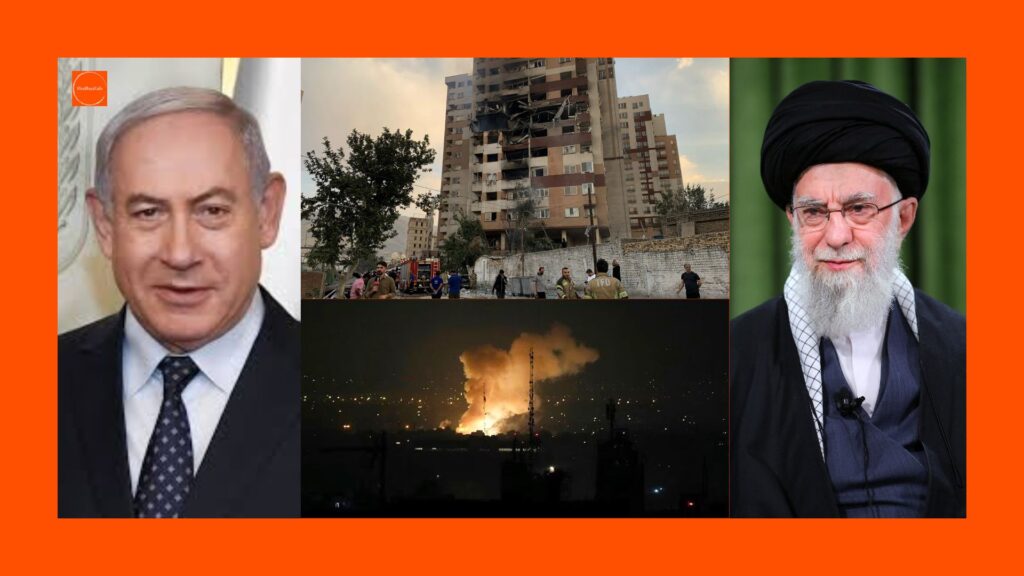
Israel Strikes Iran’s Nuclear Sites – Top Generals Killed
🚨 BREAKING: Israel Launches Massive Airstrikes on Iran’s Nuclear & Military Leadership 🚨
In a bold overnight operation, Israel has struck key nuclear facilities and top military figures inside Iran, including IRGC generals and uranium enrichment sites in Natanz and Tehran. The Middle East now stands on edge as Iran vows retaliation, launching drone attacks and escalating cyber warfare.
💣 Nuclear crisis looms
⚔️ Generals assassinated
🌍 Region braces for retaliation
📉 Oil & markets react
🛰️ World watches the next move
Is this the start of a broader war—or a final warning shot?
📰 Read the full story and stay updated on this unfolding crisis.
Israel’s “Rising Lion” Strikes Iran: Nuclear Sites Hit, Military Leadership Targeted – Middle East Braces for Blowback
June 13, 2025
Operation Rising Lion unleashed
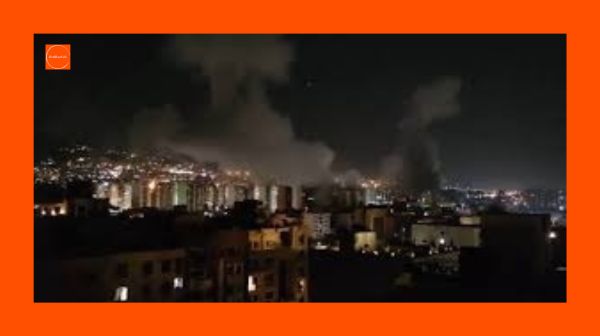
In the early hours of June 13, 2025, Israel launched Operation Rising Lion—a sweeping military offensive across Iran. The Israeli Air Force and its intelligence wing initiated coordinated airstrikes, deploying over 200 fighter jets and precision-guided munitions. More than 100 targets were hit, including nuclear facilities, missile bases, air-defense sites, and residential compounds housing Iran’s top military officials.
Israel Strikes Iran
Key strike zones
1. Natanz: Uranium enrichment disrupted
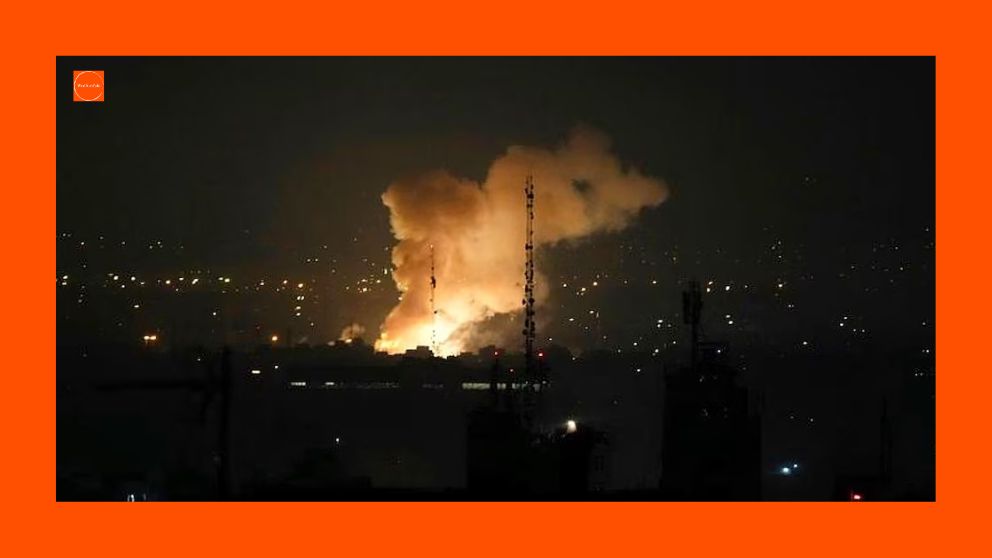
Footage from Natanz, Iran’s principal uranium enrichment hub, showed heavy fires and thick plumes of smoke. The International Atomic Energy Agency (IAEA) later confirmed the facility was struck but said radiation levels remained normal. The Iranian Atomic Energy Organization insisted that damage was largely superficial and did not affect deep underground infrastructure.
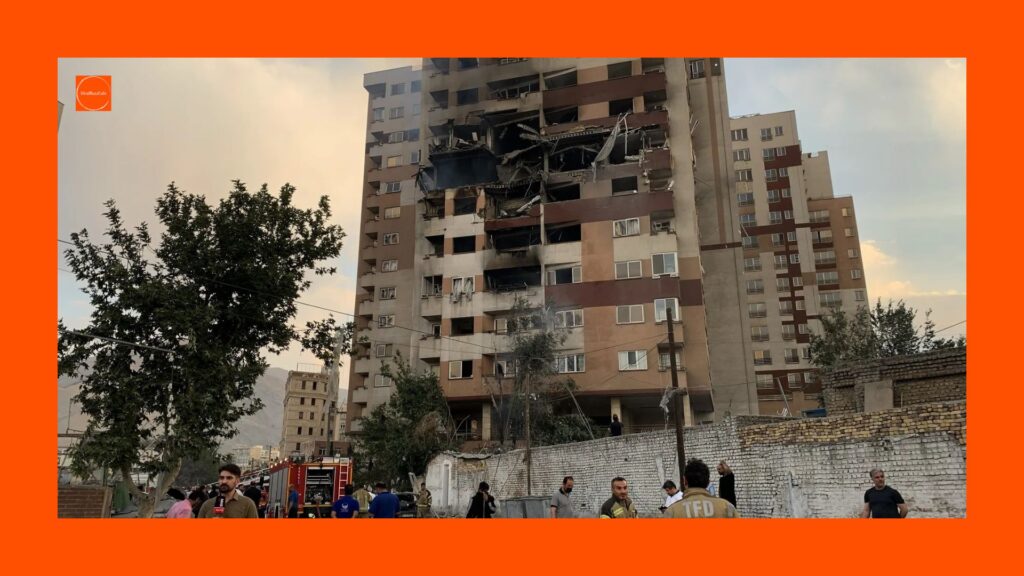
2. Tehran: High‑profile military decapitation
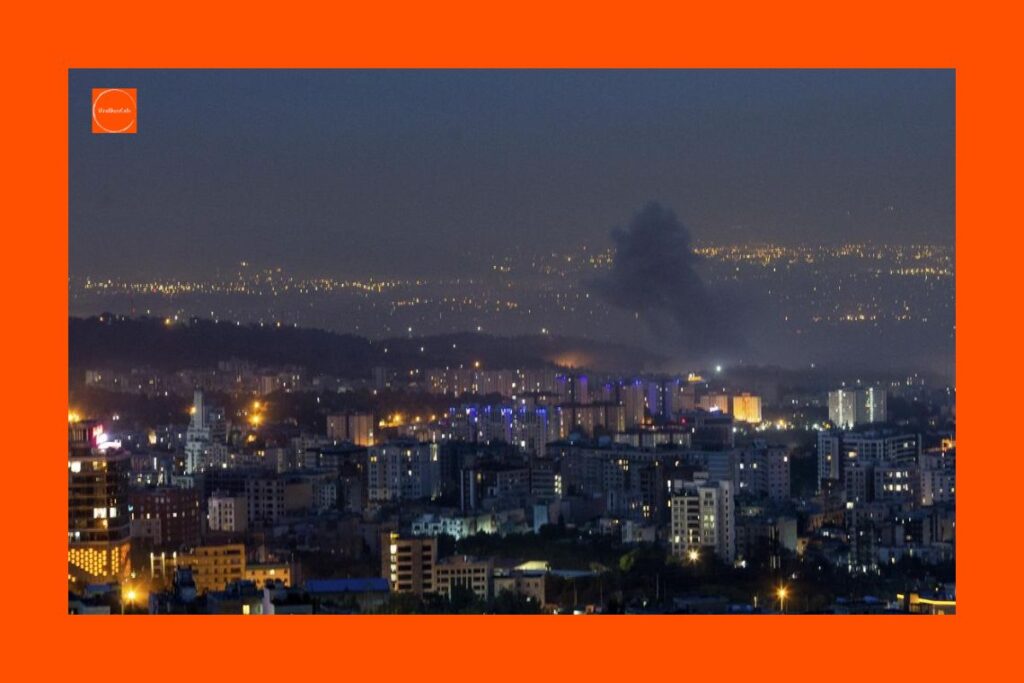
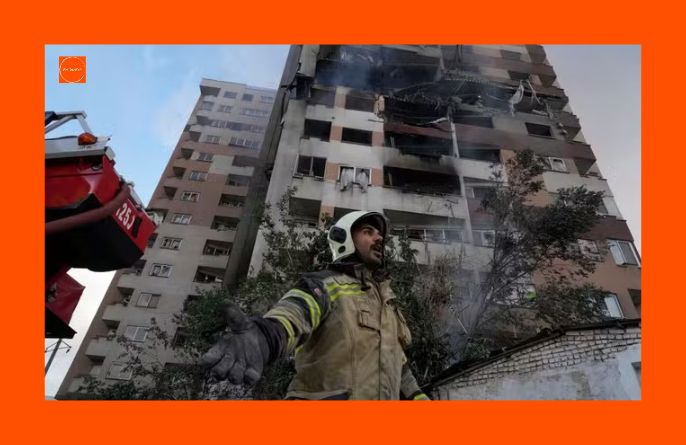
Strikes in Tehran destroyed several residential buildings tied to Iran’s top brass. Confirmed casualties included:
-
Major General Mohammad Bagheri, armed forces chief of staff
-
Major General Hossein Salami, head of the Islamic Revolutionary Guard Corps (IRGC)
-
Major General Gholam Ali Rashid, key operational commander
Multiple Iranian military sources also report the deaths of Ali Shamkhani and several nuclear scientists, raising the toll to at least 20 senior officials eliminated.
3. Peripheral military and radar targets
-
Tabriz: Missile and nuclear research centers hit, with visible fires in surrounding hills.
-
Hamadan’s Subashi radar station: A vital node in Iran’s air-defense system was damaged.
-
Piranshahr and Kermanshah: Suspected bunkers and missile-storage facilities struck, with multiple explosions confirmed via video.
Israel Strikes Iran
What Israel aims to achieve
Prime Minister Benjamin Netanyahu framed the campaign as an existential necessity. He emphasized that Iran had stockpiled highly enriched uranium—enough for nine bombs—and was “days away” from weaponization. Operation Rising Lion is being portrayed as a preemptive move to halt Tehran’s nuclear trajectory and degrade its military command structure ahead of a broader regional escalation.
Retaliation already underway
Shortly after the strikes, Iranian forces unleashed over 100 drones toward Israeli territory. The Israel Defense Forces (IDF) report successful interception of most threats, though some crossed into neighboring airspace—Jordan, Israel, Iran, and Iraq temporarily shut civilian flights; commercial airlines canceled routes.
In Tehran and Natanz, civilians expressed panic. One resident said:
“I woke up to deafening explosion… I am deeply worried about my children’s safety”.
Many are contemplating fleeing to Turkey or buying foreign currency amid fears of a broader war.
Israel Strikes Iran
Public mood and global reaction
Despite warnings, Tel Aviv remained comparatively calm. Schools closed, public events canceled—including the Pride parade ♦️—while Israelis stocked up on supplies in anticipation of missile or drone threats.
International responses are mixed:
-
The UN, Russia, and the Taliban condemned the strike as violating international norms.
-
Western allies urged restraint—but acknowledged Israel’s security concerns.
-
Russia’s foreign ministry decried the offensive as unprovoked and illegal.
The global market reacted swiftly: oil prices jumped 7%+ and gold also surged on geopolitical uncertainty
Israel Strikes Iran
Regional tremors: Allies and adversaries on alert
Hezbollah and the Lebanon front
Israeli intelligence has reported heightened activity along its northern border with Lebanon, raising alarms of a multi-front conflict. Hezbollah leader Hassan Nasrallah released a statement condemning the strikes and vowing retaliation “at a time and manner of our choosing.” Israeli defense systems near Metula and the Golan Heights are now on red alert, with IDF troops mobilized along the frontier.
There are unverified reports of Iranian-backed militias in Iraq and Syria being placed on combat standby, a signal that Tehran may rely on asymmetric warfare rather than direct state-to-state confrontation in the immediate term.
The cyber battlefield heats up
Even before the airstrikes concluded, multiple Israeli banking and communication systems experienced cyber disruptions believed to be linked to Iranian-linked hacker groups such as Charming Kitten and APT33. In response, the Israeli National Cyber Directorate launched countermeasures, claiming to have neutralized several active nodes and command servers.
Iranian media also reported blackouts and communication issues across parts of Esfahan and Yazd, hinting at cyber retaliation from Israeli intelligence units such as Unit 8200. Analysts warn this digital escalation could spread far beyond the Middle East.
To view the visual story, please visit the link below:
U.S. and international stance: A cautious tightrope
Washington’s balancing act
The Trunp administration has not openly endorsed the strikes but emphasized Israel’s right to defend itself. A State Department spokesperson urged “both sides to exercise maximum restraint and avoid actions that could drag the region into full-scale war.” Behind the scenes, U.S. officials have reportedly placed all forces in the region—including those in Qatar, Kuwait, and Bahrain—on elevated readiness.
U.S. Navy fleets in the Persian Gulf and Mediterranean are also repositioning assets amid concerns of retaliatory missile strikes or terrorist attacks against American interests in the region.
European reaction
The European Union expressed “deep concern” over the situation, calling for urgent diplomatic engagement. France, Germany, and the UK have scheduled emergency talks to salvage what remains of the JCPOA framework, fearing the collapse of all nuclear diplomacy channels.
Israel Strikes Iran
Civilian fallout and humanitarian concerns
Inside Iran
Hospitals in Tehran and Natanz are reportedly overwhelmed, with some facilities struggling to keep up due to a surge in casualties and power outages. The Iranian Red Crescent warned of limited medical supplies in impacted provinces due to Western sanctions and transport shutdowns.
Inside Israel
The Israeli public, though generally supportive of the strikes, is experiencing growing anxiety. Shelters in cities like Ashkelon, Haifa, and Jerusalem are now being opened around the clock. Parents are pulling children out of schools, and emergency food kits are flying off store shelves.
Refugee risks
The UNHCR has sounded early warnings of potential refugee movement from western Iran into Turkey and northern Iraq should the strikes persist or expand. Aid groups are preparing for displacement scenarios on both sides.
Israel Strikes Iran
The nuclear clock: How far was Iran set back?
Military experts remain divided on the long-term impact of the strikes. While the destruction of infrastructure and leadership is undeniably significant, Iran’s nuclear program is dispersed and deeply embedded underground—some as deep as 80 meters. Facilities like Fordow, reportedly untouched, could continue enrichment activities.
IAEA officials have expressed concern about access to Iranian sites post-strike, warning that the current crisis could mean total loss of nuclear visibility, a return to the pre-2015 era where Iran’s ambitions operated in the shadows.
Israel Strikes Iran
Final Thoughts: A Middle East flashpoint or the dawn of de-escalation?
The gravity of Operation Rising Lion marks a pivotal moment in modern Middle Eastern geopolitics. If Israel’s intent was to stall Iran’s nuclear program and send a message of zero tolerance, it has succeeded—for now. However, the price of deterrence may come at the expense of regional stability.
What happens in the next 72 hours could decide whether this spirals into an all-out regional war or simmers into another chapter of strategic stalemate. Eyes are now on Ankara, Moscow, and Washington—where backchannel diplomacy could become the only thing standing between tension and catastrophe.
Stay tuned for continuing coverage as the region—and the world—holds its breath.
📢 What do you think? Drop your thoughts in the comments! 👇
Follow us on Facebook:
https://www.facebook.com/viralbuzzcafe
Visit us on Tumblr:
https://www.tumblr.com/blog/viralbuzzcafe
Follow us on Instagram: