
📢 Breaking: Pope Francis Dies at 88 — A Legacy of Love, Reform & Global Unity 🙏🌍 | Vatican | PopeFrancis | CatholicChurch | PopeFrancisDies | LegacyOfCompassion | RestInPeace | PapalNews | TributesToPopeFrancis | PopeFrancisBiography | PopeFrancisAchievements | NextPopeElection | SedeVacante2025 | CatholicChurchTransition | DeathOfPopeFrancis | PopeFrancisFuneral | PopeFrancisLegacy | WhoWillBeNextPope | CatholicChurchNews | VaticanLatestNews | Church Reform | PopeFrancisObituary |
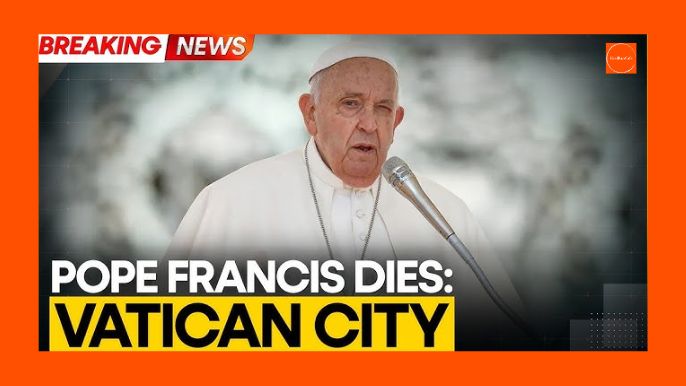
Pope Francis
🕊️ Pope Francis Dies at 88 — The World Mourns a Humble Giant 🕊️
The world mourns the passing of a transformative spiritual leader. Discover how his papacy reshaped the Catholic Church forever.
Pope Francis, the first Latin American pontiff and a fearless voice for the poor, the planet, and the marginalized, has passed away in Vatican City. His death marks the end of a revolutionary era in the Catholic Church.
From championing climate justice to redefining compassion in leadership, Francis leaves behind a legacy that transcends faith.
🔗 Read the full story of his life, final days, and the future of the Church.
Pope Francis Dies at 88: A Legacy of Compassion and Reform
Vatican City, April 21, 2025 — Pope Francis, the 266th pontiff of the Roman Catholic Church and a transformative global figure, passed away at 7:35 a.m. on Easter Monday at the age of 88. The Vatican confirmed his death following a prolonged illness, including a recent hospitalization for double pneumonia.
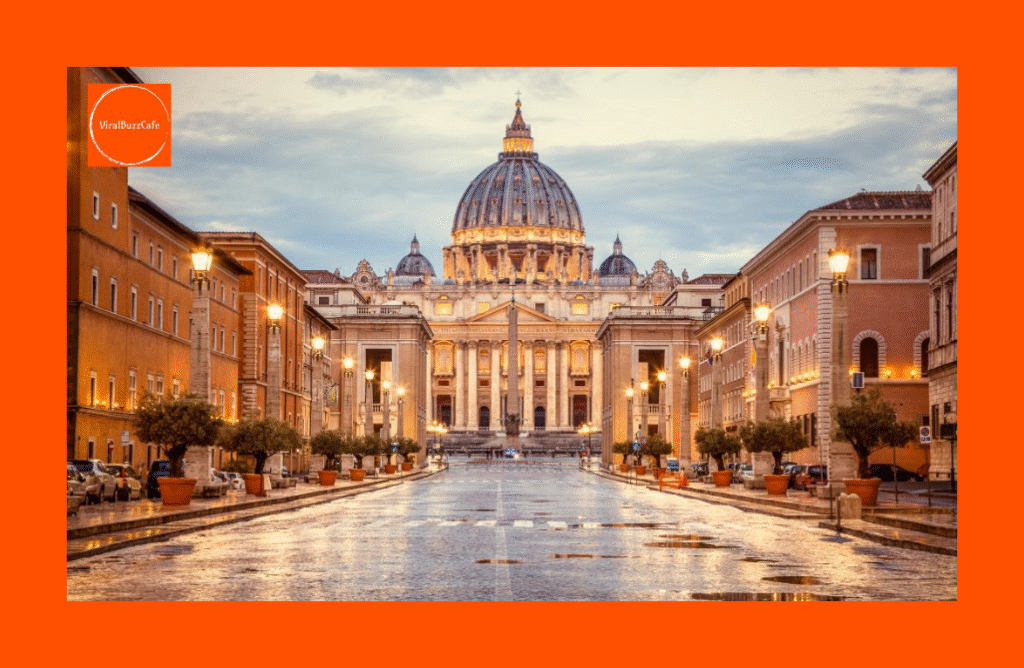
Vatican
A Papacy Marked by Humility and Inclusivity
Born Jorge Mario Bergoglio in Buenos Aires, Argentina, Pope Francis became the first Jesuit and the first Latin American to lead the Catholic Church when he was elected in 2013. His tenure was characterized by a commitment to social justice, environmental stewardship, and outreach to marginalized communities.
Global Tributes Pour In
Leaders and citizens worldwide have expressed profound sorrow at the Pope’s passing. King Charles III and Queen Camilla conveyed their “heavy hearts,” recalling their recent private audience with the Pope and praising his compassion and dedication to unity.
Former U.S. President Joe Biden lauded Pope Francis as a “champion for peace, the poor, and environmental stewardship.” Indian Prime Minister Narendra Modi highlighted the Pope’s efforts to promote harmony and compassion across communities.
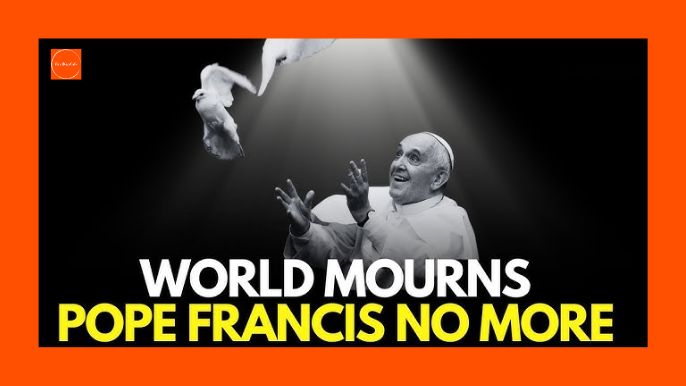
World Mourns Pope Francis
The Dalai Lama, President Volodymyr Zelenskyy of Ukraine, and other global figures also paid tribute, emphasizing the Pope’s role in fostering unity and advocating for the vulnerable.
Pope Francis was known for his efforts to modernize the Church’s approach to various issues, including climate change, poverty, and interfaith dialogue. He emphasized the importance of compassion, humility, and inclusivity, often challenging traditional norms to make the Church more accessible and responsive to contemporary challenges.
Final Days and Passing
Pope Francis had been battling health issues for several years, including chronic bronchitis and a history of respiratory infections. In February 2025, he was hospitalized with double pneumonia, leading to a decline in his health.
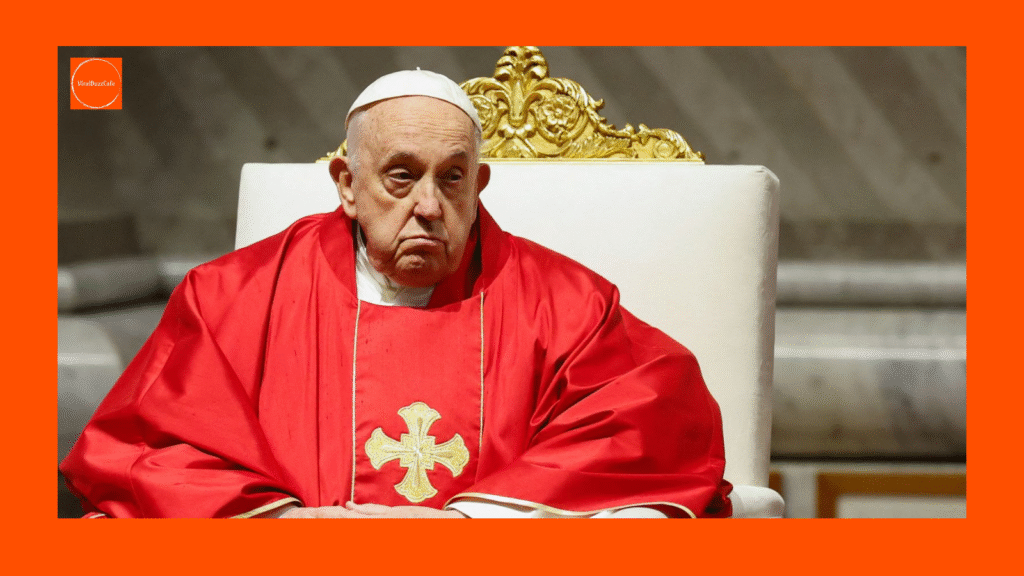
Pope Francis
Despite medical efforts, the Pope’s condition worsened, and he passed away peacefully at his residence in the Vatican’s Casa Santa Marta. Cardinal Kevin Farrell, Camerlengo of the Apostolic Chamber, officially announced his death, stating, “With deep sorrow, I must announce the death of our Holy Father Francis.”
The Path Ahead for the Catholic Church
With the death of Pope Francis, the Vatican enters a solemn period known as the “sede vacante” — the seat being vacant. During this interregnum, the governance of the Church is temporarily overseen by the Camerlengo, Cardinal Kevin Farrell, until a new pontiff is chosen. The College of Cardinals, comprising eligible cardinals under the age of 80, will gather in a secretive conclave within the Sistine Chapel to elect the next Bishop of Rome.
This transition comes at a pivotal time. The Catholic Church, under Francis, had been navigating a turbulent yet transformative era — one marked by crises of clerical abuse, calls for decentralization, and shifts in theological focus toward mercy over judgment. The next Pope will inherit these challenges, along with the expectations to build upon or reinterpret Francis’s legacy.
A Transformative Yet Controversial Shepherd
Though lauded globally, Francis was not without his critics — particularly among traditionalists who viewed his reforms as a deviation from doctrinal orthodoxy. His apostolic exhortations, such as Amoris Laetitia, stirred debates by opening the door to communion for some divorced and remarried Catholics. His stance on LGBTQ+ inclusion, while cautiously worded, signaled a historic softening of Church rhetoric.
Francis’s 2015 encyclical Laudato si’, which called for urgent environmental action, positioned him as a spiritual leader for a planet in crisis. Yet this engagement with climate advocacy was met with skepticism by some conservative factions who saw it as straying into political activism.
Despite these tensions, his popularity among lay Catholics remained robust. He was seen not just as the Pope of the periphery, but as a man of the people — riding in a modest Fiat, refusing the Apostolic Palace, and choosing to live among others in a Vatican guesthouse.
To view the visual story, please visit the link below:
A Global Pontiff for a Global Church
Perhaps one of Francis’s most enduring contributions was reorienting the Church’s gaze toward the global south. As the first non-European Pope in over 1,200 years, he brought the lived experiences of Latin America — poverty, populism, inequality — into the heart of Catholic discourse. His global outreach included historic visits to Iraq, South Sudan, and the Arabian Peninsula, where he championed interfaith harmony and peace in regions plagued by sectarian violence.
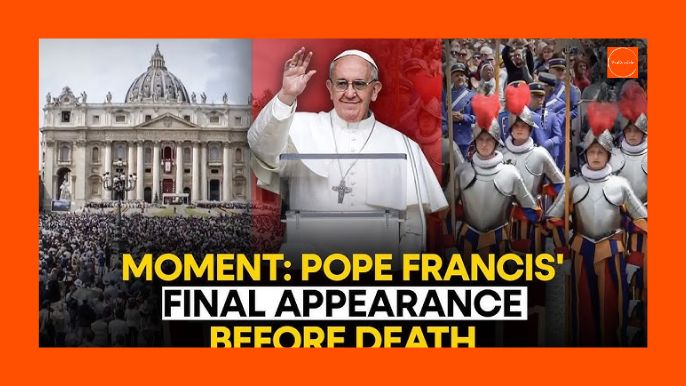
Pope Francis
He sought to empower bishops in Africa, Asia, and Latin America, granting local churches more autonomy and recognizing their diverse pastoral needs. This decentralization of authority, while controversial, laid the groundwork for a truly globalized Church — one less Rome-centric, more attuned to regional realities.
A Farewell, but Not a Departure
In line with his wishes for simplicity, Pope Francis had modified traditional papal funeral rites. He requested a basic wooden coffin and chose to forgo the customary three coffins of cypress, lead, and oak. Additionally, he opted not to have his body placed on a raised platform for public viewing.
The Pope will be laid to rest in the Basilica of St. Mary Major in Rome, marking the first time in over a century that a Pope will be buried outside the Vatican. This decision reflects his deep devotion to the Salus Populi Romani icon housed in the basilica.
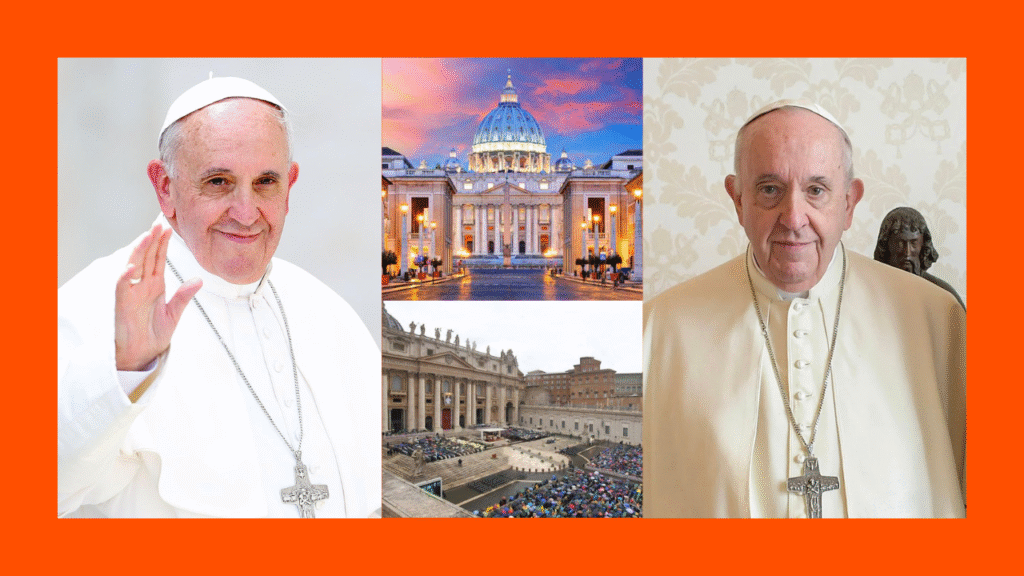
Pope Francis
Even in death, Pope Francis’s presence will reverberate within the halls of the Vatican and the hearts of 1.3 billion Catholics. His life’s work, grounded in empathy and humility, will continue to inspire future leaders, theologians, and ordinary faithful.
His decision to break precedent — from his papal name, which honored the humble St. Francis of Assisi, to his relentless pursuit of reform — made him a singular figure in modern papal history. His was a papacy not of grandeur, but of moral urgency. A voice that echoed across refugee camps, climate summits, and prison cells alike.
Conclusion: A Pontiff Who Bridged the Sacred and the Struggling
Pope Francis redefined what it means to be a spiritual leader in the 21st century. He walked with the wounded, spoke for the voiceless, and never shied away from uncomfortable truths. Whether visiting war-torn zones or washing the feet of inmates on Holy Thursday, he embodied a Church that is close to the poor and distant from privilege.
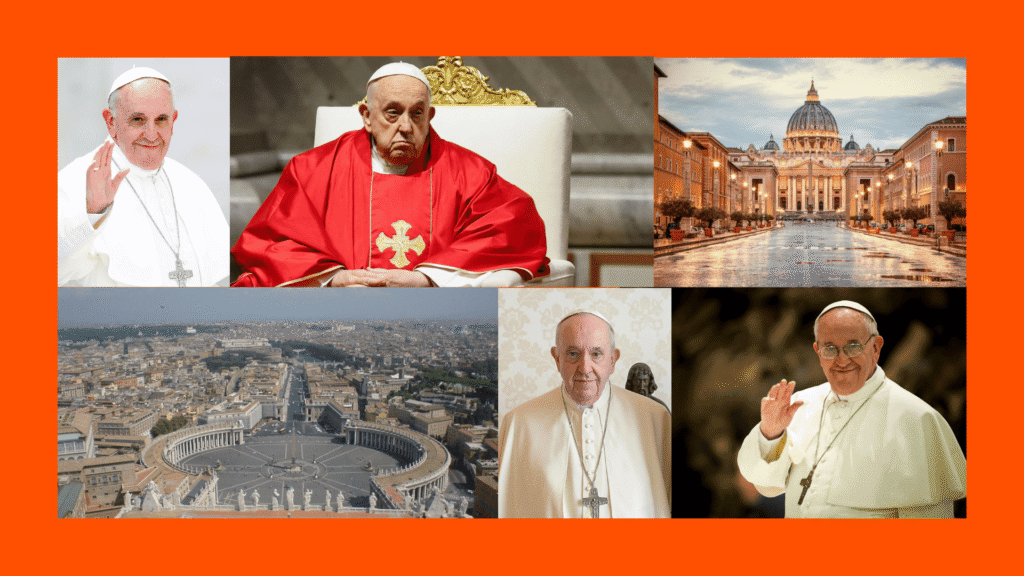
Pope Francis
His death marks the end of an era, but the beginning of a new spiritual reckoning for the Catholic Church — one where the seeds he planted may bloom in the hands of his successor.
As black smoke rises in mourning, the world watches and waits. Yet the legacy of Pope Francis — reformer, pastor, prophet — is already etched into history.