
FDA Shakeup: Dr. Vinay Prasad Quits Amid Gene Therapy Backlash & Vaccine Policy War | FDA | VinayPrasad | FDAShakeup | GeneTherapy | MedicalEthics | VaccineDebate | HealthPolicy | PublicHealth | MedicalReform | BreakingNews | ScienceLeadership | PharmaControversy | RareDiseases | DrugApproval | COVID19 | Elevidys | BiotechNews | PharmaWatch | BiotechRegulation |
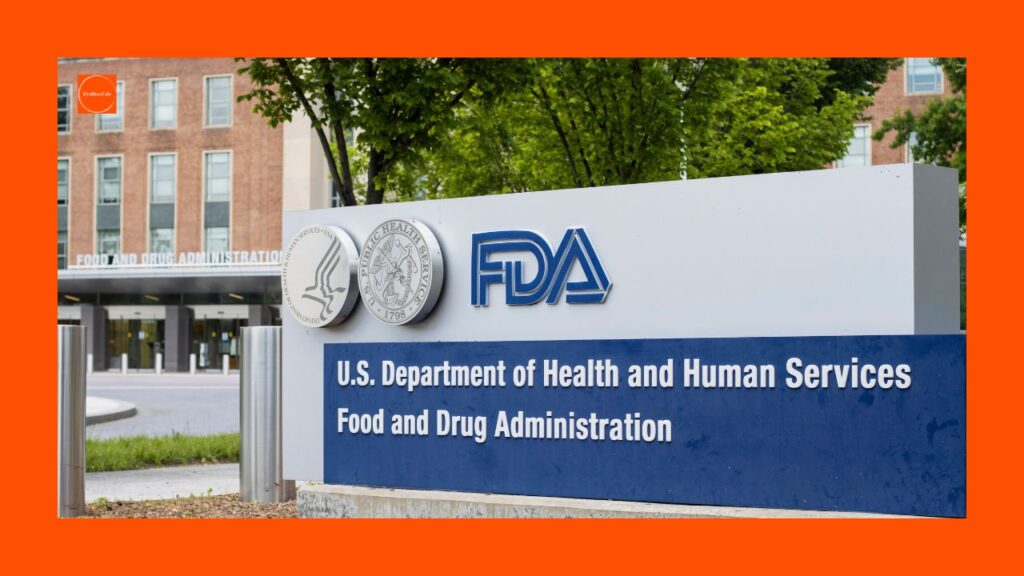
FDA
🚨 BREAKING: Dr. Vinay Prasad Resigns from FDA
Just months into his controversial tenure, FDA’s top science official Dr. Vinay Prasad has stepped down following intense backlash over his handling of a $3M gene therapy, tough stances on COVID vaccine approvals, and mounting political pressure.
🔥 Was he a reformer or a disruptor?
🧬 His exit leaves major questions about the future of biotech regulation and rare disease therapies in the U.S.
🔍 Read the full breakdown of what triggered this high-profile departure.
Dr. Vinay Prasad Exits FDA: A Short, Stormy Tenure That Shook the Agency
July 30, 2025
Controversial Medical Reformer Steps Down Amid Backlash Over Gene Therapy Decisions, COVID Vaccine Policy, and Political Blowback
Washington, D.C. – July 30, 2025 — The Food and Drug Administration is once again in the spotlight, following the abrupt resignation of Dr. Vinay Prasad, a prominent and polarizing figure who served as the agency’s Chief Medical and Science Officer and head of its biologics division (CBER). His departure marks the end of one of the most contentious—and briefest—tenures in modern FDA history.
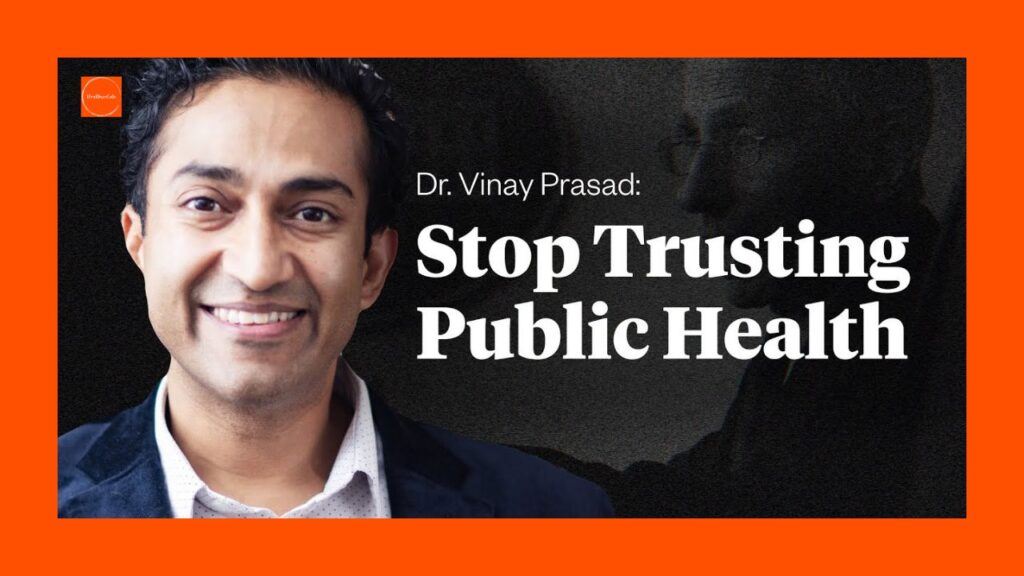
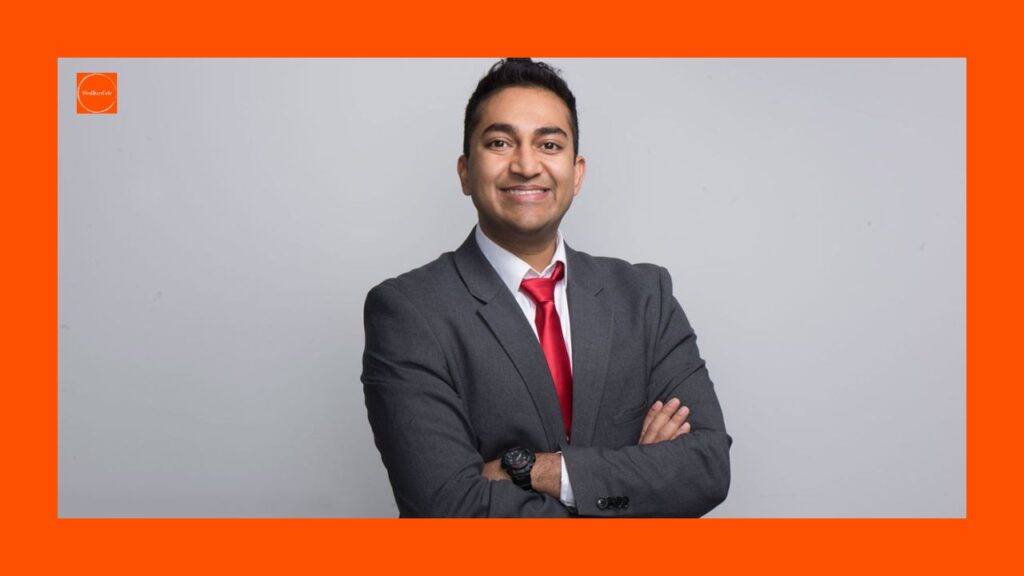
Dr. Vinay Prasad
The Medical Maverick Who Took on the FDA
Dr. Vinay Prasad didn’t tiptoe into the halls of federal power—he walked in swinging. Known for his outspoken views, academic publications, and high-profile social media presence, Prasad had built a national following as a doctor who questioned conventional wisdom.
Before joining the FDA, Prasad made headlines by critiquing what he called the “medical-industrial complex”—a system, in his view, too often beholden to pharmaceutical giants and political agendas.
In his best-known book, Ending Medical Reversal, Prasad argued that many widely accepted medical practices had no strong evidence base. His entrance into the FDA this past May was seen by supporters as a long-overdue correction—and by detractors as a risky gamble.

Dr. Vinay Prasad
At the Helm of CBER: Mission Reform
As Director of the Center for Biologics Evaluation and Research, Prasad had influence over critical areas of medicine including gene therapies, vaccines, blood products, and cellular treatments.
From the start, his vision was clear: he wanted science to lead, not urgency or industry lobbying. He advocated for robust clinical trials—even if it meant slower approvals—and questioned the FDA’s increasing reliance on “accelerated” pathways.
Internally, Prasad pushed for changes in how new biologic drugs were evaluated, emphasizing outcomes over biomarkers and long-term safety over speed. For many, these ideas sounded like a breath of fresh air. But for an industry built on agility and rapid breakthroughs, they rang alarm bells.
FDA
The Elevidys Firestorm
Prasad’s tenure unraveled most publicly around one drug: Elevidys, a gene therapy developed by Sarepta Therapeutics for Duchenne muscular dystrophy.
The drug, with a price tag exceeding $3 million, had been conditionally approved under controversial circumstances even before Prasad’s arrival. But when reports surfaced linking it to at least four pediatric deaths, Prasad’s FDA imposed a short-lived halt on shipments and called for stronger restrictions on its use.
Patient advocacy groups erupted in protest. Many parents of children with DMD viewed the therapy as their last hope. Biotech analysts warned that FDA uncertainty could scare away investment in rare disease innovation. Others quietly applauded Prasad for doing what past leadership had not: drawing a hard line on safety.
The FDA eventually reversed its restrictions—reportedly against Prasad’s internal recommendation. That decision, and the political chaos it unleashed, may have sealed his fate.
FDA
Under Fire From All Sides
As tensions flared within the agency, so did political attacks outside of it.
Conservative voices accused Prasad of sabotaging Trump-era biotech momentum. High-profile media figures branded him a “bureaucratic elitist” standing in the way of “free market medicine.” At the same time, liberal health commentators criticized his past skepticism of COVID booster campaigns and his push for data-driven vaccine approvals—claiming it played into anti-vax narratives.
Caught in the crossfire, Prasad found himself increasingly isolated, with little public support from Commissioner Marty Makary or the broader administration.
To view the visual story, please visit the link below:
Resignation Confirmed
On July 29, the Department of Health and Human Services released a concise statement confirming Prasad’s resignation:
“Dr. Prasad has decided to step down from his leadership roles to avoid becoming a distraction to the agency’s mission. We thank him for his service and the important contributions he made in a short time.”
Insiders say the exit was mutually agreed upon, with Prasad opting to walk away quietly rather than engage in a drawn-out political battle.
Dr. Vinay Prasad
Legacy: Visionary or Villain?
Though Prasad’s time at the FDA was short, it wasn’t without impact.
He raised real questions about how the agency evaluates breakthrough therapies. He pushed for more scientific rigor in approving treatments that cost millions and come with unknown long-term risks. And he re-opened a critical debate about whether the FDA is moving too fast in its effort to “cut red tape.”
“Dr. Prasad raised important red flags about the direction of regulatory policy,” said Dr. Ana Vasquez, a clinical trial specialist. “But reform doesn’t happen overnight, and you can’t bulldoze consensus.”
Meanwhile, patient advocates remain bitter. “He treated families like data points,” one mother of a child with DMD told reporters. “We don’t have time to wait for perfection.”
FDA
What Comes Next?
Filling the Vacuum
Prasad’s dual departure leaves two major leadership roles open: the head of CBER and the FDA’s Chief Medical and Science Officer. Both positions play crucial roles in shaping the future of gene therapy, vaccine oversight, and the broader biologics pipeline.
According to agency sources, interim leadership will be announced in the coming days. Analysts expect the administration to favor a more pragmatic, industry-neutral appointee—someone able to rebuild relationships and steady the regulatory waters.
Return to Academia?
As for Prasad, there is little doubt he’ll return to the national stage—just not inside the government. He’s expected to resume his faculty duties at UCSF, revive his popular medical podcast, and continue writing on health policy.
Given his growing profile, it’s likely his next act will be even more unfiltered.
FDA
Final Takeaway: A Flashpoint, Not a Failure
Dr. Vinay Prasad came into the FDA like a lightning bolt—intended to jolt the system awake. In the process, he illuminated long-standing fault lines: between caution and innovation, data and desperation, regulation and real-world need.
His exit doesn’t end the debate; it only shifts it to a wider stage. As biotech races forward and public trust in institutions continues to waver, the questions Prasad posed—however controversial—will linger.
Was he the right man at the wrong time? Or a reformer whose ideas arrived before the system was ready?
Time will tell.
📢 What do you think? Drop your thoughts in the comments! 👇
Follow us on Facebook:
https://www.facebook.com/viralbuzzcafe
Visit us on Tumblr:
https://www.tumblr.com/blog/viralbuzzcafe
Follow us on Instagram: