

Kim Yo Jong Declares South Korea an ‘Enemy’—North Korea Shuts the Door on Peace Talks in Fiery Warning | KimYoJong | DPRK | NorthKorea | SouthKorea | KoreanPeninsula | ColdWarReturns | KimJongUn | KimJongUnSister | DiplomacyDead | NuclearTensions | EnemyDeclared | NoMoreTalks | InterKoreanRelations | Geopolitics | AsiaPolitics | PeaceInPeril | EastAsiaCrisis | GlobalAlert |
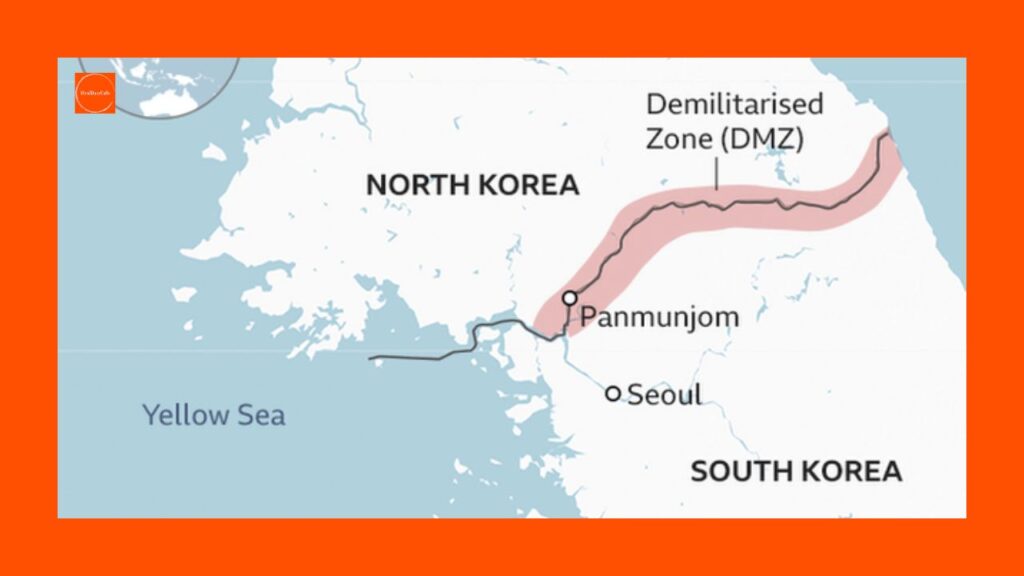
Korea
🚨 BREAKING: Kim Yo Jong Blasts South Korea — No Talks, No Peace
North Korea’s powerful voice, Kim Jong Un’s sister Kim Yo Jong, has declared South Korea the “enemy” and says Pyongyang has “zero interest” in talks—shutting down any hopes for diplomacy under Seoul’s new president.
🇰🇵 Tensions rise
🛑 Diplomacy dismissed
🔥 Regional security on edge
Full story 🔗👇
Kim Yo Jong Declares South Korea the “Enemy” — Says North Has “No Interest” in Talks
July 28, 2025
North Korea’s First Official Response to South Korea’s New Government
In a sharply worded statement carried by North Korea’s state media (KCNA) on Monday, July 28, 2025, Kim Yo Jong—the influential sister of Supreme Leader Kim Jong Un—made the clearest declaration yet: South Korea remains an “enemy” of the DPRK, and Pyongyang has “no interest in any talks”, regardless of what Seoul might propose.
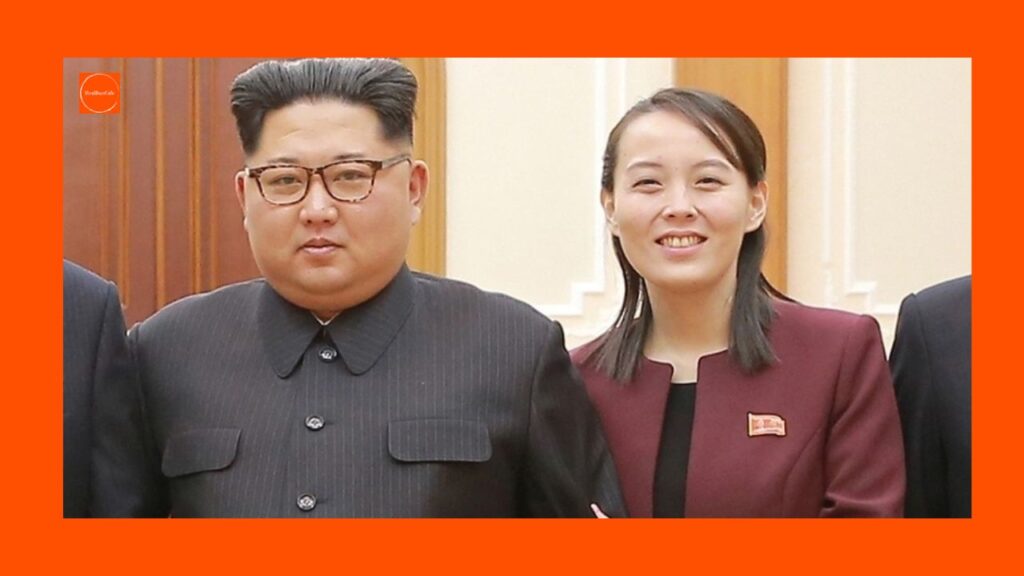
Kim Jong Un & Kim Yo Jong
This marks North Korea’s first official response to the policy direction of South Korea’s newly elected liberal President, Lee Jae‑myung, who assumed office on June 4, 2025 and promised to open communication channels with the North.
Bold Rejection: What Kim Yo Jong Said
Kim Yo Jong accused Seoul of misunderstanding the depth of distrust, warning:
-
If South Korea thinks “sentimental words” can erase past hostility, it is making a “serious miscalculation.”
-
She emphasized that “there is neither a reason to meet nor any issue to be discussed” between North Korea and the Republic of Korea (ROK), regardless of any policy or proposal offered.
-
She dismissed recent Seoul actions like halting loudspeaker propaganda and banning leaflet balloons as trivial and reversible steps that long predated the new administration.

Kim Yo Jong
New Administration’s Conciliatory Steps Fall Flat
Under President Lee’s leadership, Seoul has:
-
Paused loudspeaker broadcasts blasting anti-North propaganda into the border zone, a gesture meant to reduce tensions.
-
Banned civilian activists from sending balloon‑borne leaflets into North Korea.
-
Repatriated six North Koreans who drifted south in wooden boats—an effort seen as humanitarian outreach.
Kim Yo Jong acknowledged these actions as “sincere efforts”, yet swiftly concluded they were insufficient—and symbolic at best—and did not signal a genuine shift.
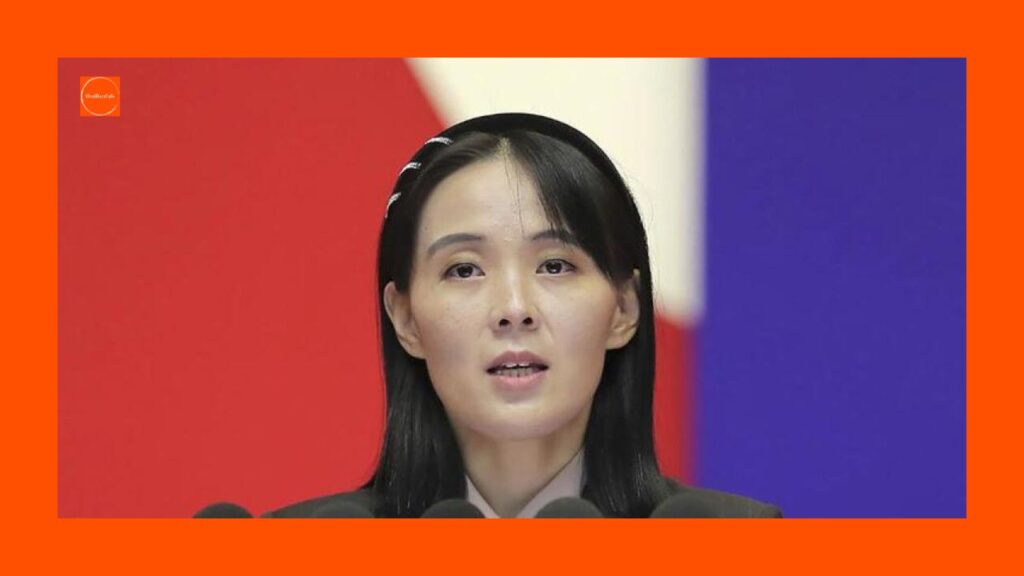
Kim Yo Jong
Why This Stance Matters: Deepening Distrust and Strategic Divide
🔹 Constitutional Redefinition of the South as an “Enemy”
In early 2024, Kim Jong Un ordered constitutional changes to formally define South Korea as an “invariable principal enemy”, striking the goal of peaceful unification from DPRK policy. This shift was widely seen as North Korea’s attempt to entrench a permanent ideological boundary.
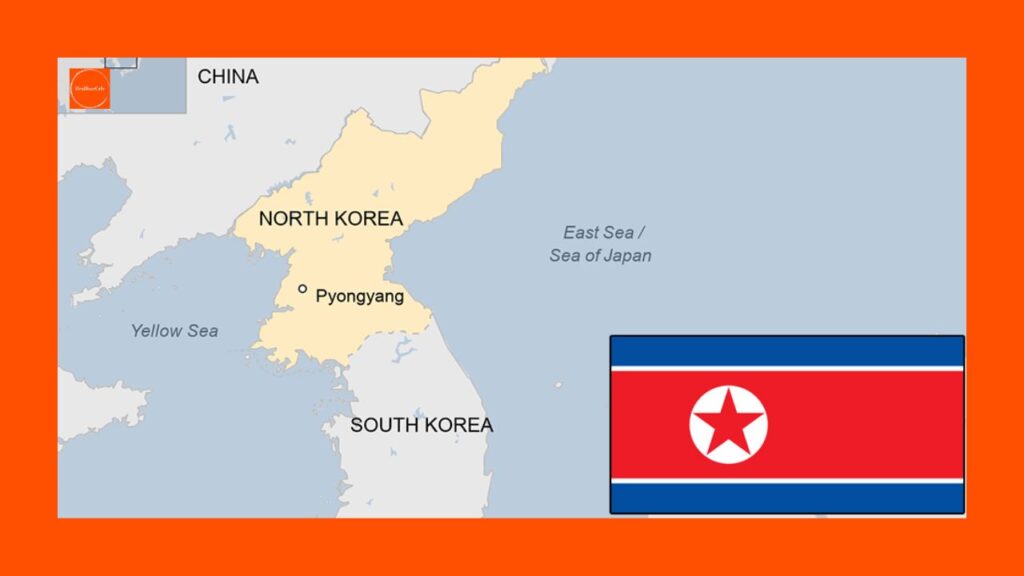
North Korea
🔹 Escalating Military Assertiveness
Since then, Pyongyang has:
-
Conducted new rounds of ballistic missile and strategic cruise missile tests.
-
Ordered full nuclear readiness in February 2025.
-
Strengthened military collaboration with Russia, including arms and troop support in Ukraine—likely exchanged for Russian technology and economic assistance.
Experts suggest these moves reflect DPRK’s intention to expand its deterrence and strategic posture instead of returning to diplomacy.
South Korea’s Options: Is Dialogue Still Possible?
Though Pyongyang has shut the door for now, the South Korean Unification Ministry insists it will continue offering dialogue and exploring cooperation—but acknowledges the “wall of distrust” remains formidable.
Notably, Unification Minister Chung Dong‑young is reportedly considering proposing adjustments to joint military drills with the U.S. as a gesture to build confidence—even while facing political criticism at home.
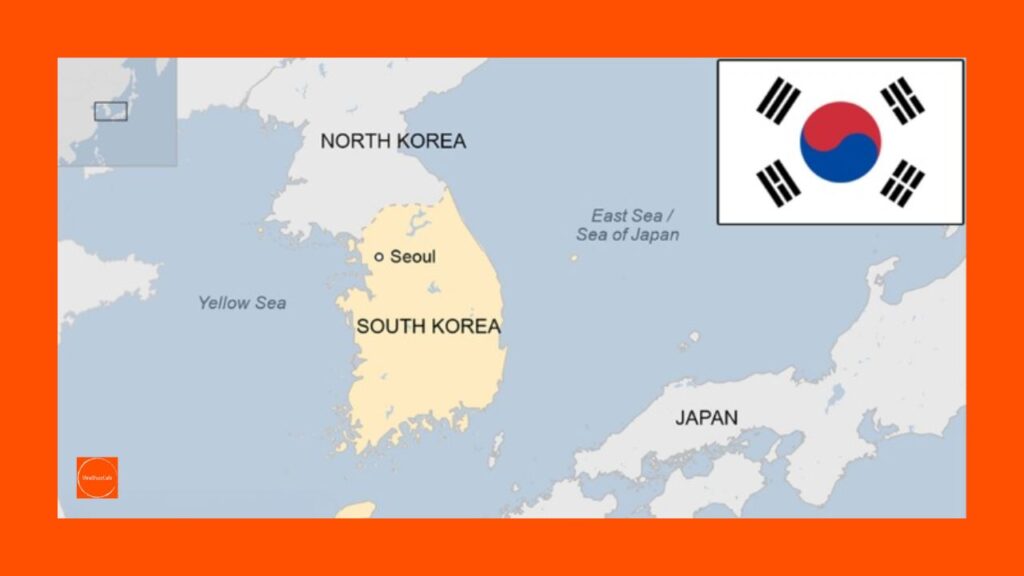
South Korea
However, analysts warn that any concession perceived as threatening the U.S.-South Korea alliance could trigger backlash from Seoul’s conservative segments.
Breaking It Down: What This Means for the Korean Peninsula
• Kim Yo Jong’s Message is a Clear Deterrent
Her declaration is both warning and positioning: it cements North Korea’s stance that no current policy shift will change its framing of the South as a permanent foe.

Kim Yo Jong
• Domestic Propaganda and Political Signaling
Kim’s combative tone plays well for domestic audiences—it reinforces regime legitimacy, justifies military escalation, and shores up nationalist sentiment.
• Global Context: DPRK–Russia Axis
Pyongyang increasingly leans on expanded cooperation with Moscow, including weapons and technology exchange, while deliberately distancing itself from the South and the U.S. sphere.
Kim Yo Jong’s Influence: The Shadow Power Behind the Throne
Though she holds no formal title in the ruling Workers’ Party hierarchy, Kim Yo Jong’s voice often carries the full authority of her brother, Kim Jong Un. Observers of the Korean Peninsula have long described her as the regime’s chief propagandist, strategist, and unofficial No. 2.
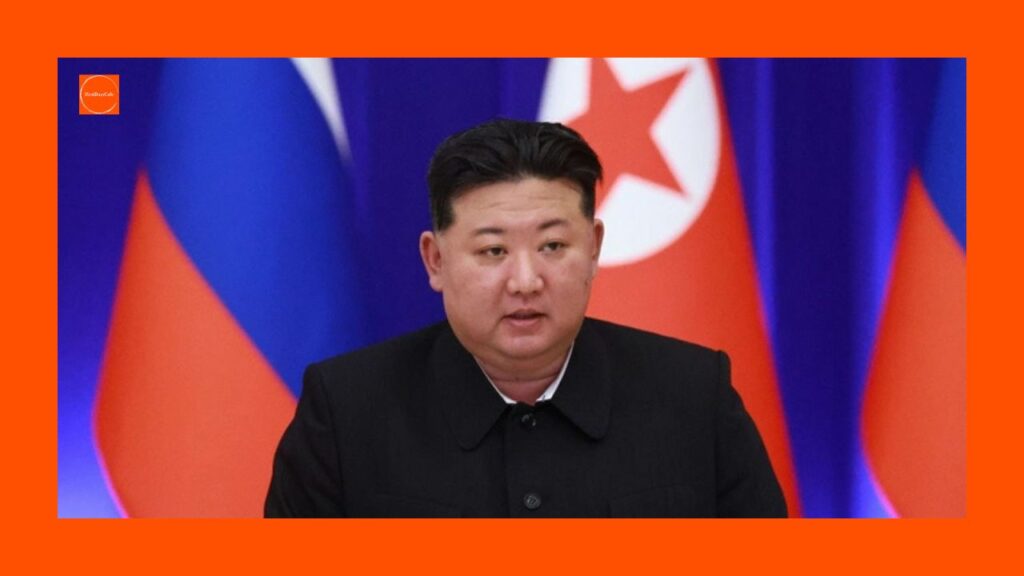
Kim Jong Un
When she speaks, the world listens—not just for what she says, but what it implies.
Her role in this latest declaration is no exception. By publicly torching the possibility of diplomacy, she sends a powerful message not just to Seoul, but to Washington and Beijing as well: North Korea has no appetite for dialogue on anyone’s terms but its own.
To view the visual story, please visit the link below:
What the U.S. and Allies Are Saying
In response to Kim’s remarks, the U.S. State Department issued a brief but pointed comment: “The door to dialogue remains open. We urge North Korea to return to the path of diplomacy.”
But privately, U.S. intelligence agencies are concerned.
Recent assessments suggest that North Korea is closer than ever to fielding operational tactical nuclear weapons. Pyongyang’s recent military drills—some conducted with live-fire exercises near the inter-Korean border—have raised alarms at Camp Humphreys and across U.S. Forces Korea (USFK) installations.
Meanwhile, Japan’s Defense Ministry has also expressed “deep regret” over the DPRK’s language and posture. Tokyo is increasingly wary of being dragged into a broader regional confrontation.
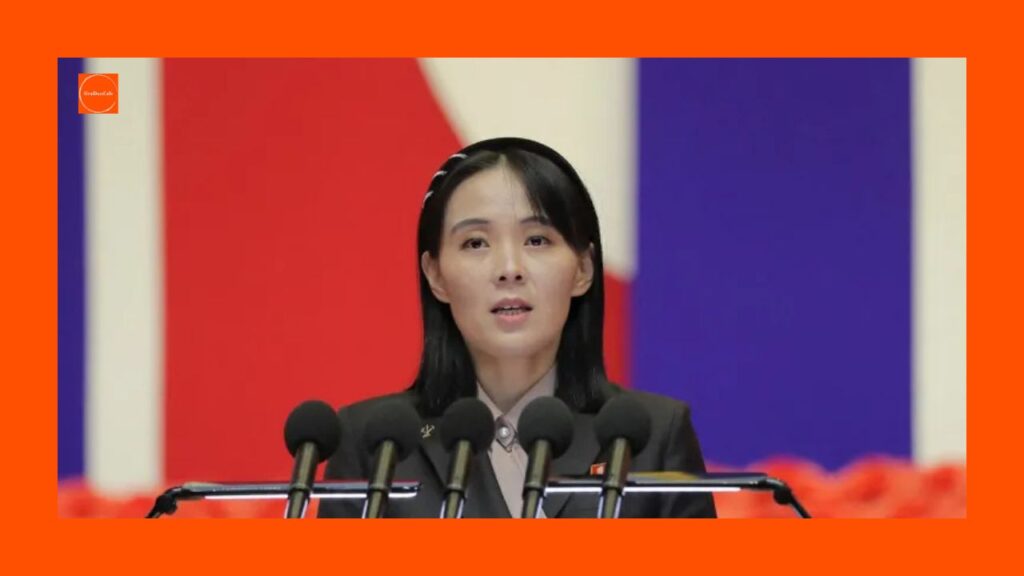
Kim Yo Jong
China and Russia: Silent Endorsement?
While Beijing has officially maintained a “neutral stance,” analysts say China is tacitly enabling Pyongyang by blocking further UN Security Council sanctions.
Russia’s support, however, is less ambiguous.
Under President Vladimir Putin, Moscow has deepened military and technical exchanges with Pyongyang, reportedly supplying satellite intelligence, raw materials, and even limited cyber-warfare capabilities in return for artillery, missiles, and manpower.
This geopolitical triangle—North Korea, Russia, and a hesitant China—is forming a new axis of strategic resistance against U.S. influence in East Asia.
Could There Still Be a Back Channel?
Some former diplomats believe that even as front-door diplomacy collapses, secret backchannels remain in play. Track-two talks involving humanitarian aid organizations, academics, or neutral state intermediaries (such as Switzerland or Sweden) may still provide a sliver of communication.
However, these are slow, fragile, and unlikely to yield immediate results.
What makes dialogue harder now than in previous years is that North Korea no longer views reunification as a long-term goal. That ideological pillar, once enshrined in its constitution, has been surgically removed—replaced by permanent separation and military dominance.
Korea
The Domestic Backdrop in North and South
In North Korea:
-
The regime continues to project strength despite internal hardships.
-
Defector testimonies suggest worsening food shortages, but military spending remains unchecked.
-
State TV has ramped up anti-South propaganda, branding Seoul’s outreach as a “sugar-coated knife.”
North Korea
In South Korea:
-
President Lee Jae-myung’s approval ratings dipped slightly after North Korea’s rejection.
-
Conservatives argue that his overtures “weaken national security” and embolden the North.
-
Progressives, however, support his efforts as a necessary moral and strategic balancing act.
South Korea
Where Things Stand: The Outlook for 2025 and Beyond
With both Koreas drifting further apart, a long-term freeze in relations appears inevitable.
South Korea’s defense ministry is already preparing for renewed provocations near the DMZ. North Korea, meanwhile, is expected to hold a massive military parade in Pyongyang next month to mark Victory Day, where new weapon systems may be unveiled.
What to Watch:
-
Any missile tests timed to U.S.–South Korea joint military exercises in August.
-
Possible cyber attacks or GPS jamming near the western sea border.
-
Statements from Kim Jong Un himself at the next Politburo meeting—which may cement the shift away from diplomacy.
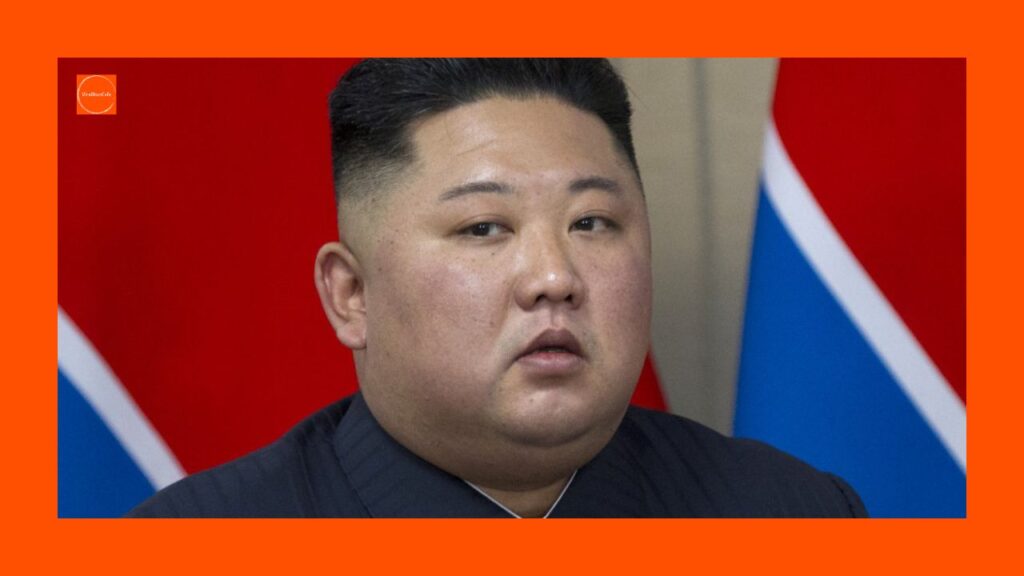
Kim Jong Un
Outlook: A Frozen Standoff Unless Broader Shifts Occur
At present, Kim Yo Jong’s statement draws a firm line: no dialogue, no negotiation, no thaw. That leaves the ball in Seoul’s court to craft long-term strategies, including:
-
Maintaining firm ties with the U.S. and Japan for deterrence.
-
Exploring confidence-building measures, while avoiding undermining alliance credibility.
-
Monitoring whether Pyongyang’s strategic calculus shifts—perhaps if its cooperation with Russia weakens or if sanctions pressure intensifies.
Final Word: No More Illusions
Kim Yo Jong’s message was not just another fiery statement. It was a policy marker—a cold dismissal of reconciliation and a reassertion of hostility. For South Korea, the U.S., and the broader Indo-Pacific region, it’s a wake-up call:
North Korea is not playing hard to get. It’s not playing at all.
In the absence of pressure points, incentives, or broader geopolitical realignment, the Korean Peninsula may be entering its most perilous phase in decades—one not of open war, but enduring, weaponized silence.
📢 What do you think? Drop your thoughts in the comments! 👇
Follow us on Facebook:
https://www.facebook.com/viralbuzzcafe
Visit us on Tumblr:
https://www.tumblr.com/blog/viralbuzzcafe
Follow us on Instagram:


